

Information on Dental Care for Dogs
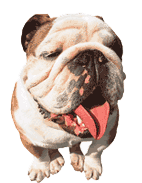
Other preventive measures include providing dogs with toys and treats that have a tartar-removing effect. These include hard rubber chew toys with hollow interiors that can be stuffed with treats, as well as rope or sheepskin toys, which have fibers that help keep teeth clean.
Periodontal Disease
If a dogs teeth aren’t cared for, the result is sure to be periodontal disease, the most common dental condition affecting dogs. Periodontal disease is the inflammation and infection of the gums and supporting tissues of the teeth. It begins when bacteria-laden plaque and tartar (calculus) build up on teeth, especially below the gum line. Pockets form under the gum line and food lodges in the pockets. These bits of food that remain on teeth are breeding grounds for bacteria. The resulting infection causes bad breath, bleeding and inflammation of the gums, receding gums, loosening of teeth, and eventual tooth loss.
According to the American Veterinary Dental Society, more than 80 percent of dogs over the age of three years develop gum or periodontal disease. Any dog can develop periodontal disease, but its seen most commonly in toy breeds. They have the same number of teeth (42) as larger dogs, but the teeth are crowded into a smaller area. Regular brushing is the best way to get rid of food residue so it doesn’t harden and form the ugly brown deposits known as tartar.
Routine periodontal treatment performed by a veterinarian typically includes ultrasonic scaling, subgingival manual scaling, and polishing. For advanced cases of periodontal disease, some dental specialists use antibiotic therapy, which involves cleaning and polishing the teeth, regular home brushing, and administering antibiotics for the first five days of every month. This regimen decreases the progression of the disease. Another new treatment is Doxyrobe, a gel placed inside the socket to sterilize it. This sustained-release form of doxycycline is used in periodontal pockets to increase attachment. If the dogs teeth are in really bad shape, periodontal surgery such as bone grafting and guided tissue regeneration can be performed. For the most severe cases, extraction is the only option.
Endodontic Conditions
These conditions involve broken or abscessed teeth that require root canals or extractions. Endodontic problems are most common in large dogs, especially shepherd and retriever breeds. These dogs chew a lot on such things as fences, cow hooves, and bones, wearing their teeth down and sometimes breaking them. Even chewing on ice cubes can cause teeth to fracture.
Dental fractures are common in dogs, and treatment is a must if the pulp, the soft tissue that fills the center of a tooth, is exposed. This is not only painful, but it can also lead to tissue death and abscess. A root canal is the preferred method of treatment for such cases, although occasionally extraction may be the best choice.
Don’t ignore a broken tooth, even if it doesn’t seem to bother the dog. The majority of dogs are happier and more active once a tooth repair is made.
Oral Surgery
Oral surgery is done usually to remove teeth or repair fractured jaws. Extractions are performed with minimal pain and discomfort, and jaw fractures can be repaired using new techniques that minimize damage to teeth and ensure a rapid return to normal function.
Dogs may also need oral surgery when they’re diagnosed with tumors of the mouth and throat, which are common in dogs. Radiotherapy and recently developed surgical techniques for removing oral tumors are now available. These techniques often give excellent results, both in terms of cosmetic appearance and prognosis, provided they are applied at an early stage of the disease.
Examine your dogs mouth monthly. Oral tumors can go unnoticed until they’ve reached an advanced stage of development, making successful treatment more difficult. Bring any suspicious swellings or persistent sores to the attention of your veterinarian. Besides oral tumors, dogs can also develop noncancerous masses and swellings such as gingival hyperplasia.
Pumpkin and Dogs
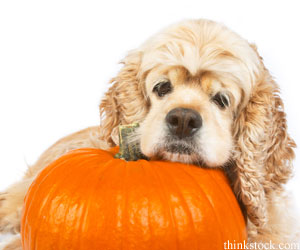
Pumpkins are rich in carotenoids, beta-carotene, alpha-carotene, fiber, zinc, iron, vitamin A and potassium. In fact, you can tell the pumpkin is rich in the antioxidant beta-carotene, just by looking at its bright orange color.
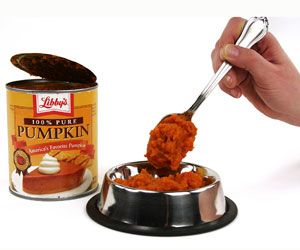
Pumpkin is really simple to feed to your dog too. All you need is canned pumpkin. Canned pumpkin is just as packed with nutrients as fresh pumpkin, according to the Mayo Clinic website. Canned pumpkin is a puree so it is easy to mix in your dog’s food, give it to your dog as a treat or use it as an ingredient when you make dog treats, such as these Pumpkin Paw Prints. Look at the back of the label to make sure you are getting 100-percent pumpkin and not pumpkin pie mix.
Can you feed your dog pumpkin seeds? Yes, but most recommend that you first roast them and then grind them up. Do not add salt.
You do not want to feed your dog the stem or leaves, which are covered in little, sharp hairs that will irritate your dog.
See your veterinarian if you have questions concerning dogs eating pumpkin. We never know how dogs will react to new foods, so only feed a small quantity at first to see if it causes your dog stomach upset, such as gas.
Pumpkin is also the pet owner’s go-to food when it comes to
Dog diarrhea and constipation: Pumpkin has high fiber and water content, which are good for correcting and preventing constipation in dogs, plus can help bulk up your dog’s stool. Start with feeding your dog 1 or 2 tablespoons of pureed pumpkin a day, depending on your dog’s size. Pumpkin may not help your dog with diarrhea or constipation if there is an underlying medical condition. Call your veterinarian for advice if the diarrhea or constipation persists.
Helping your dog lose weight: Some dogs needs to lose weight, but their owners don’t want them to feel hungry. Pumpkin is a great low-fat dog treat that fills a dog up due to its being high in fiber. The proper amount of pumpkin to feed depends on the size of your dog and dietary needs. Consult your veterinarian for suggested amounts.
Top Ten Reasons to Adopt a Rescue Dog

You’ll Save a Life
Most dog shelters euthanize dogs. When you adopt a rescue dog, you’re saving that dog’s life. This is an incredibly rewarding experience.
The Shelter Will Have Room for Another Dog
Not only are you giving a home to one dog, but you may save the life of another by making room in the shelter. Shelters that don’t euthanize can only help so many dogs before they fill up. When you adopt, they have room for one more.
The Dog Will Be Heathier
Dogs in shelters have usually been checked out by the vet, fixed and are up-to-date on shots. This means that you’re adopting a dog you know is healthy. If there are any issues, the shelter will be upfront with you so there are no surprises.
You’ll Save Money
Adopting a dog is much more affordable than buying a dog from a pet store or breeder. While price varies from shelter to shelter, you will save money not only on the cost of the dog, but on vet care. Most rescue dogs have already been fixed, which can save hundreds.
You Won’t Support Puppy Mills
You never know what conditions a pet store dog was raised in, which means you may be supporting puppy mills. When you adopt, you’re putting one less sale into the pockets of irresponsible breeders.
You’ll Sleep Better
It feels good knowing that the pet you just brought into your life is a dog that you saved. You won’t have to question your decision the way you would if had you bought a dog. You’ll know you did the right thing.
You’ll Help Reduce the Pet Population Problem
When you buy from a pet store, you create a demand for more puppies. This means breeders will continue to breed their dogs to make more sales. When you adopt, you’re giving a home to an abandoned dog and preventing the need for additional breeding.
Many Rescued Dogs are Already Trained
Some shelters raise dogs in foster homes, which means the dog has already been exposed to house training. Dogs that have been abandoned by their owners may also be trained to live indoors. This can make owning a pet even more enjoyable.
You Can Find Puppies and Purebreds
Dog shelters have pure bred dogs and puppies. If you absolutely must have either, visit the shelters in your area and see what your options are.
Shelters Can Help You Find the Right Dog
You have no idea what the temperament of a puppy is when you’re shopping at pet stores. Pet shelters know the temperament of the dogs in the shelter and can help you find the right dog for you. This helps prevent the need to give the dog up in the future.
A List of Brachycephalic Dog Breeds

Small Dogs
Many of the brachycephalic breeds are relatively small and portable, weighing under 20 pounds. These include the Pekingese, the pug, the Boston terrier, the Cavalier King Charles spaniel, the Japanese Chin, the Brussels griffon, the Shih Tzu, the Lhasa apso and the French bulldog.
Medium-Size Dogs
Brachycephalic breeds are better represented among the smaller and larger canine spectrum, only a couple purebreds falling in the midsize dog range. If you’re in the market for a dog maturing between 20 and 50 pounds, brachycephalic breeds fitting the bill include the English bulldog and the American bulldog.
Large Dogs
Big brachycephalic dog breeds include some of the largest of all dogs: mastiffs. These giant canines, some of which can top the scales at 200 pounds and up, include the English mastiff, Neapolitan mastiff and bull mastiff. Boxers, large but not huge, are also brachycephalic. So are the extremely wrinkled Chinese Shar-Peis.
How-to: Hand Stripping and Dog Grooming for a Wire Haired Terrier
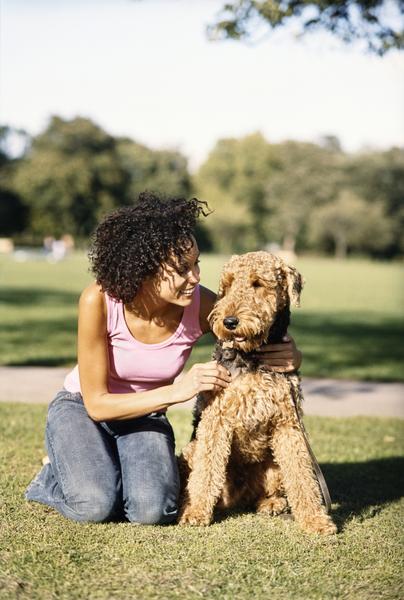
How to Bring an Adopted Dog Home
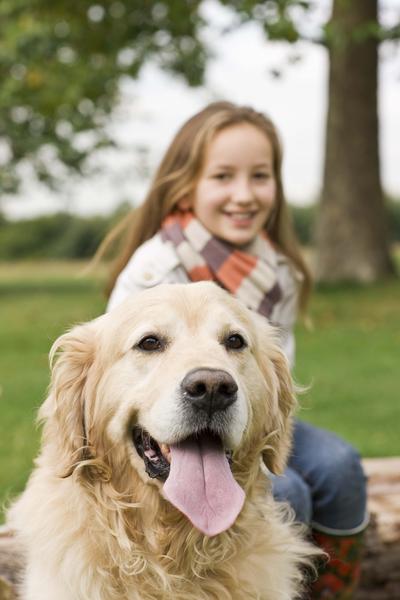
1Prepare your home beforehand. Remove any items he could choke on and put up any electrical wires. Change is stressful, and behavior problems may arise while he adjusts to his new environment. Set up a crate or a safe room where he can stay when you are not home to watch him. Place his food and water bowls in the area so he sees it as his.
2Walk him around your property first when you bring him home, keeping him on the leash so he doesn’t wander off. Give him plenty of time to investigate every inch of the yard if he wants to, and lead him to all areas he will use. Walk him long enough for him to empty his bladder as well so he will be less likely to mark indoors.
3Take him inside when he is done exploring the yard. Keep him on the leash as he explores his new home. Walk him from room to room, allowing him to stop and explore as much as he wants. Do not rush this process. If he attempts to mark his new territory, stop him by saying “no” loudly and take him outside to urinate.
4Show him his crate or area where his food and water bowls are. Fill both bowls and allow him to eat or drink if he wants. Remove his leash and allow him to roam freely, but watch him carefully. Take him outdoors to potty every two hours. Shower him with affection and hand out treats when he potties in the right place or behaves properly.
5Continue keeping him under supervision for several weeks while he adjusts. Once he is comfortable in his new home and has learned what is acceptable, he can be left to roam freely if that is what you prefer.
Parvo Outbreak Plagues Los Angeles County
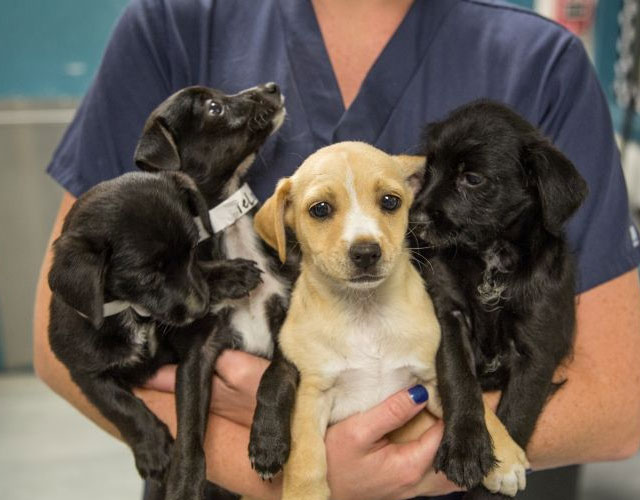
In a dog health crisis that hits near to home for this dog writer, I encourage everyone to read this and pass it along to any dog owner’s and lovers you know in the LA area.
Vaccination Timelines for Dogs and Puppies>>
Although the disease is most commonly seen in young puppies, Parvovirus can affect unvaccinated dogs of any age. All county residents are urged to keep puppies and dogs safe by not letting them outside of your fenced yard until they have received their vaccinations and are protected from the virus.
“In springtime, you get a lot of newborns during that time and there’s an increase in susceptible hosts,” Maria Sabio-Solacito, the head veterinarian for animal care and control tells LATimes.
Parvo does not affect humans, but is highly contagious and deadly among dogs. The resilient virus is shed through bodily fluids can survive for months or years on surfaces. It is easily spread by humans with their hands and feet.
Symptoms often begin with a high fever, lethargy, depression and loss of appetite. If the disease is left untreated it can cause severe gastrointestinal distress, including vomiting and bloody diarrhea. In many cases, dehydration, shock, or death can follow.
If your puppy or dog is exhibiting any of the symptoms of Parvo, veterinary treatment is required immediately.
Help prevent the spread of Parvo:
Keep infected dogs isolated from all other dogs for at least one month after recovering cleaning up your dog’s stool and keep it away from other pets
Use 1 part chlorine bleach to 30 parts hot water disinfectant on food and water bowls, bedding, and on outdoor areas such as patios.
If your pet is not vaccinated, do not take it to places where interaction with other dogs is likely.
Parvo vaccinations can be done by your vet and is also offered by many mobile vaccination programs.


|
A New Free Course on Dog Grooming Reveals the Secret Step-by-Step Techniques used by the best Dog Groomers in the country!
Finally, You Can Now Groom your Dog on your own at home without having to hire an expensive groomer! |