

French Bulldog Health Problems
Basics
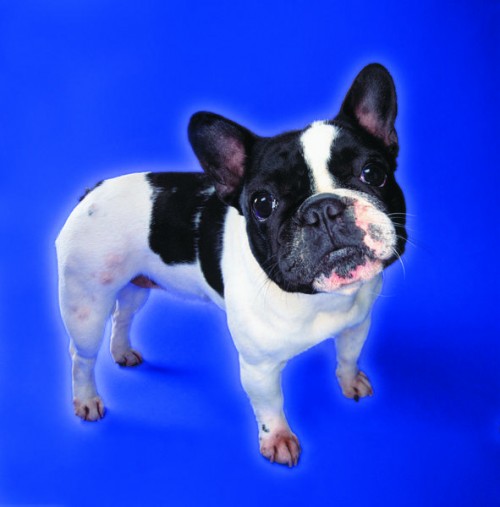
French bulldogs appear in colors including white, pale yellowish-brown and brindle, the latter of which involves a blend of colors such as brownish-orange and gray. As adults, these dense, sturdy pooches typically reach between 11 and 13 inches tall. They usually weigh no more than 28 pounds. One of the most prominent physical characteristics of French bulldogs involves their ears, which point straight up and are similar to those of bats. This smart, amiable and funny dog keeps a close vigil on his home.
Brachycephalic Syndrome
As with pugs and a handful of other doggie breeds, French bulldogs are brachycephalic, with skulls that are markedly wide and short. Their faces have a conspicuously flattened appearance to them. Although the look undeniably is cute, it also can trigger health issues that revolve around breathing, problems that can become life threatening. Some common indications of brachycephalic syndrome are excessively loud breathing, coughing, hacking and snoring. All of these signs are usually particularly noticeable during times of excessive heat. Inordinate discomfort in heat is typical of dogs with brachycephalic syndrome. Take your sweet Frenchie to the veterinarian immediately if he shows any signs of this condition.
Intervertebral Disk Disease
Intervertebral disk disease is relatively prevalent in the French bulldog breed. This orthopedic condition results from the deterioration of the spinal column’s dense intervertebral disks. Some of the signs that are typical of this disorder are backache, rigidness of the body, scooting of the hind limbs during walking, difficulty standing up, general feebleness, crouching over, shivering and soreness of the stomach. Paralysis is a possibility for some dogs with the condition. If you have any reason to think that your precious pet might be dealing with intervertebral disk disease, schedule a veterinarian appointment as soon as possible.
Canine Hip Dysplasia
Canine hip dysplasia is another problem for many French bulldogs. The skeletal condition involves the atypical growth and progress of the hip joints. Signs of the condition pop up early in dogs, starting as early as at 4 months. Lack of body coordination is a common sign of the disorder. Other symptoms of canine hip dysplasia are rigidness, avoidance of physical activity and hobbling. Note, however, that many dogs with the condition barely display any hints at all. Regardless, veterinary attention is a must for any pooches with hip dysplasia.
Other Conditions
Other medical issues that also sometimes affect French bulldogs are luxating patellas, cataracts and entropion. The latter entails the eyelids turning in an “inside” direction. If your dog shows any sign of abnormalities or malaise, a vet appointment should be your next step. Dogs don’t always display obvious signs of illness, though, which is why it’s so crucial to routinely bring your pet in for regular veterinary checkups. With the right love and care, French bulldogs can often survive healthily and contentedly for anywhere between 10 and 14 years, or perhaps longer.
Shih Tzu Grooming Instructions
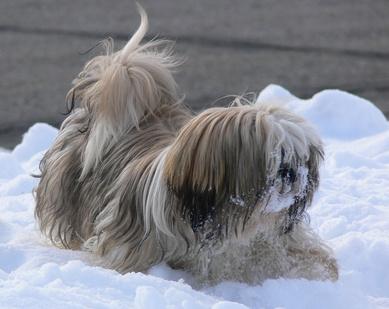
1Wash your shih tzu 7 to 12 days to keep his coat clean. Use either dog shampoo or human shampoo, and lather the dog up in the sink or bathtub using warm water. Rinse the dog thoroughly, and consider using a conditioning rinse to smooth out tangles in the dog’s long hair. Pay particular attention to the hair under your dog’s belly and along his legs, as this is where he’ll be dirtiest.
2Towel the dog dry and keep him in an enclosed area, like the kitchen, while he dries completely. Use a dog brush or comb to begin working any knots out of his hair while he’s still wet, as long hair is more easily detangled when it’s wet and freshly conditioned. Be very gentle when you’re brushing the shih tzu’s hair, as his skin will be sensitive if his hair is pulled.
3Brush your shih tzu’s hair once a day to keep it tangle free and clean. Schedule a time for this, and follow the schedule consistently so that the dog knows when to expect grooming.
4Trim your shih tzu’s nails once a month to keep them from snagging on carpeting or breaking off. Use dog nail trimmers, available at pet stores, to cut only the tips of the nails off. Cutting off too much nail will cause pain and could lead to infection.
5Clean your dog’s eyes and ears every time you wash him. Use a Q-tip to clean any wax and debris out of his ears, but only clean the section that you can see, as pushing a Q-tip too deep into his ear can cause damage. Use eye drops, available at pet stores, and clean cloths to clean his eyes and keep them bright and free of buildup.
6Pull the hair from the top of your dog’s head up into a “top knot,” or ponytail at the top of his head. Secure the pony tail loosely with a rubber band. This will keep it out of his face and allow him to see clearly.


|
A New Free Course on Dog Grooming Reveals the Secret Step-by-Step Techniques used by the best Dog Groomers in the country!
Finally, You Can Now Groom your Dog on your own at home without having to hire an expensive groomer! |