

Asian Dog Breeds
Small Breeds
If you looking for a dog who can’t shed — because it doesn’t have hair — consider the Chinese crested. There’s also a variety with hair, known as the powderpuff. These small, affectionate dogs mature between 11 and 13 inches tall at the shoulder. The Pekingese sports lot of hair. This brachycephalic, or short-nosed, breed was prized by Chinese royalty. Under AKC standards, adult Pekingese can’t exceed 14 pounds. The lhasa apso hails from Tibet, where he was known as the “barking lion sentinel dog.” An excellent watchdog, this long-haired canine matures between 10 and 11 inches high, weighing between 12 to 18 pounds. The shih tzu, possibly resulting from a cross between the Pekingese and the lhasa apso, makes a fine companion but his long coat requires considerable maintenance. Full-grown shih tzus weigh between 9 and 16 pounds, standing between 8 and 11 inches high. The Japanese chin actually originated in China. This good-natured little dog, also a brachycephalic breed, matures between 8 and 11 inches high.
Medium Size Breeds
Once known as the holy dogs of Tibet, Tibetan terriers make good companions and watch dogs. Adult Tibetan terriers stand between 14 and 17 inches tall and weigh between 18 and 30 pounds. The Shiba Inu was bred as a hunting dog in Japan and requires a lot of exercise. When full grown, he weighs between 17 and 23 pounds and stands 13.5 to 16.5 inches tall.
Large Breeds
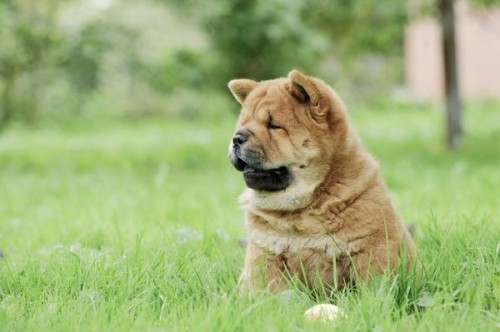
In his native Japan, the Akita is well known as a hunting and working dog. A superb guard dog, the Akita is best paired with an experienced dog owner. This double-coated breed matures between 24 and 28 inches high. The chow chow served as an all-purpose working dog in his native China. Besides his thick double coat, this breed is noted for his black tongue. Chow chows stand between 17 and 20 inches tall at maturity. The wrinkly Chinese shar-pei is among the most unusual looking dog breeds. Their wrinkles require regular cleaning to prevent skin infection. Shar-peis weigh between 45 and 50 pounds at maturity, standing between 18 and 20 inches tall. While the Korean jindo makes a good guard dog, his strong prey drive makes him unsuitable for sharing a household with cats or small canines. Jindos mature between 30 and 50 pounds and stand between 18 and 22 inches tall. The tremendous Tibetan mastiff was born to guard and is extremely protective of his person. Full grown, these dogs stand at least 24 to 26 inches tall, although they can be larger.
Did American Dogs Originate in Asia?
It’s possible that American dog breeds have Asian roots. In a 2013 study published by the Royal Society of Biological Sciences, researchers found that many “American” dog breeds, including those as varied as the Chihuahua, sled dogs and xoloitzcuintli, or “Mexican hairless,” share DNA with Asian canines. Scientists speculate that the ancestors of these dogs accompanied humans across a long ago land bridge linking North America and East Asia.
What Breeds of Dogs Are Prone to Anal Gland Problems?
Breed Predisposition
Anal gland problems seldom occur in large-breed dogs. Dr. T.J. Dunn Jr. writes on PetMD that infections and impactions are more common in smaller breeds, such as basset hounds, beagles, cocker spaniels, Chihuahuas, miniature poodles and toy poodles, and Lhasa apsos. While the condition is common in these smaller and medium-size pooches, don’t rule it out as a cause for discomfort in a dog of any size or breed.
Symptoms and Treatments
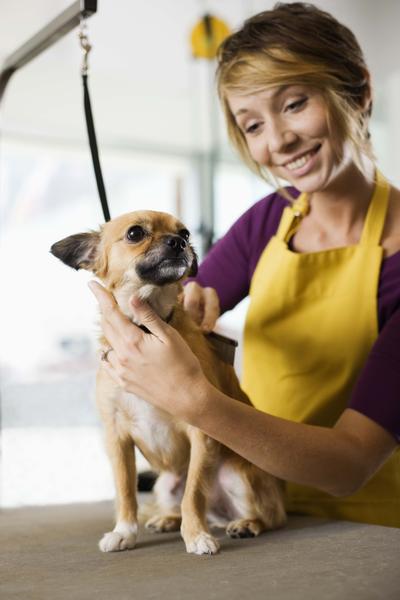
Signs your dog may have anal gland problems include scooting his butt on the floor and excessive licking of the anal area. In cases of infection of abscess, swelling or a fever may occur. If you believe your dog has anal gland problems, consult your veterinarian. Treatment includes manual expression of the anal glands. Many groomers routinely express the anal glands during routine grooming.
How to House-Train Little Dog Breeds
Get on a Schedule
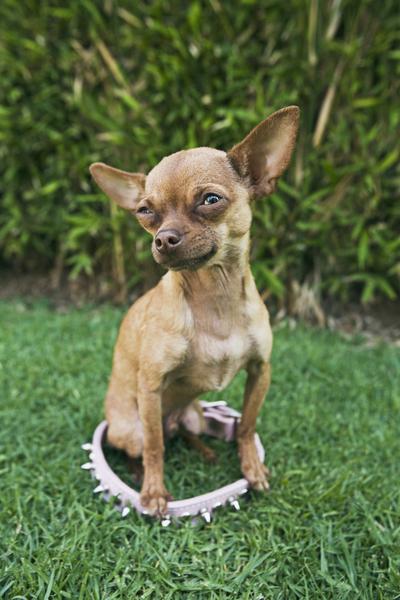
Housebreaking is just as much about training yourself as it is about training your dog. Get into a regular routine of taking your dog to his appropriate elimination spot. Potty training generally begins to be effective after 6 weeks of age — no eariler. You can expect your pup to “hold it” for about one hour per month of age, plus one hour — so an 8-week-old pup should go out for potty breaks, at minimum, every two to three hours or within 10 or 15 minutes of eating, drinking or chewing. It’s tempting to pick up a tiny dog and take him outside when it’s time to go potty, but it’s better to train the dog to go under his own volition when you command. A common strategy for training is to use a key word, such as, “Outside,” regularly. Use a leash, and go out the same door every time to encourage good outside bathroom habits.
Tether Your Pup
While it’s tough to attach a big dog to your side via leash all afternoon as a way to watch for potty indicators, it’s much easier to take this approach with a small dog. If your pup is sneaking off to do his business in an inappropriate location or has regular accidents, keep his leash on him when you’re at home and tie the leash to your belt or wrist. Keeping your dog under constant supervision will help you recognize signs that it’s time to “go.” Take your pup to his designated spot, praise him for going to the bathroom and reward him with a treat.
Make Bathroom Places Safe
Individual dogs of smaller breeds can be intimidated by the great outdoors, so make sure your designated outdoor bathroom area feels like a safe place so your puppy will be comfortable doing his business without fear. If possible, avoid high-traffic areas, thick woods, tall grasses or areas that larger animals frequent. If your small dog gets frightened when it’s bathroom time, it can inhibit your housebreaking efforts. Opt for a secluded, and perhaps even fenced, area for your pup to do his business in solitude.
Clean Up Accidents
Little dogs have little accidents, sometimes so small that you won’t even notice them until the smell starts to accumulate. Keep an eye out for accidents, and clean them thoroughly with an enzymatic cleaner to remove all traces of odor and prevent remarking. Invest in a black-light pee detector, and use it regularly during the housebreaking process to ensure accidents don’t go unnoticed and untreated.
Indoor Potty Options
You can successfully housebreak some small breeds to pee pads or an indoor potty, which can be especially beneficial if you live in an apartment or condo, or if you’re housebound. Follow the same outdoor housebreaking guidelines using a designated spot in your home, preferably in a low-traffic area that’s out of the way, like a bathroom or a laundry room — a room without carpet serves best.
Dog Breeds With Thick Hairs That Look Like Ropes
Bergamasco Sheepdog
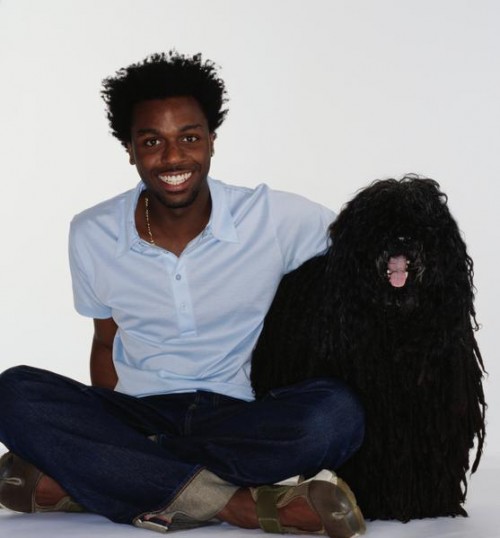
A native of Iran, the Bergamasco sheepdog has a thick coat comprised of three types of hair. This includes a smooth, oily undercoat, which adheres to the skin, forming a moisture barrier; a course layer of “goat hair” and the woolly top hair. As the hair grows, it weaves together forming what looks like dreadlocks or ropes. By the time your Bergamasco is 5 years old, he will have a long, fully corded coat that reaches to the ground.
Puli
The puli has been bred as a sheepdog in Hungary for more than 2,000 years. The coat begins to cord when a puli is 9 months of age. During this time, your puli’s hair will stand straight out until the coat grows long enough to form ropes. Examine the cords on a weekly basis to ensure they stay separate and do not get tangled with one another, which can create a painful mat.
Komondor
The komondor originates from Hungary where it was used to guard sheep and herdsmen. The breed is known as the “king of guard dogs.” Their long white, corded coat and impressive size commands instant respect. Male komondor’s average 27.5 inches in height and females stand 25.5 inches tall. A komondor’s long rope-like hair easily picks up leaves, twigs and debris, which need to be hand-picked out of the coat daily.
Spanish Water Dog and Poodle
With a history dating back to 1110 AD, the Spanish water dog was used to herd sheep, goats and cattle in Spain for centuries. They are considered a single coat breed as they posses a sparse undercoat. Their curly and slightly woolly hair will twist together, forming cords. Poodles also can display a corded coat, which was extremely popular during the Victorian era. However, their hair does not form cords naturally. It is up to you to allow the coat to grow long and carefully separate the curly locks.
Coat Care
Corded breeds should only be bathed one to three times annually. Bathing is a time-consuming process. Lather each cord with a mild shampoo containing tea tree oil. Rinse thoroughly. Squeeze the cords with your hand to remove excess water. Pat the coat dry with a towel. Never rub as this can cause the cords to tangle. The coat must be dried thoroughly to prevent mildew and odor. If the weather is warm, you can let your pet dry in the sun. Otherwise use a pet dryer that blows cool air. The drying process can take up to 12 hours.
Pugged Nose Dog Breeds
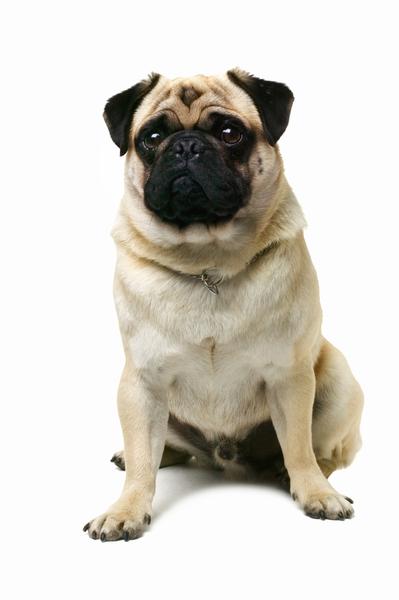
Brachycephalic Breeds
Apart from the pug, the oriental Pekingese and shih tzu are both brachycephalic. The King Charles spaniel has a pug nose and French bulldogs and Boston terriers share this characteristic. The largest brachycephalic breed is the pugnacious-looking English bulldog. Images of English bulldog skull formation show that in earlier times it had a longer nasal passage, but this has been bred out during the 20th century. In 2009, the UK Kennel Club announced changes to the English bulldog breed standard in order to stop breeders producing dogs with exaggerated characteristics that create health problems.
Dog Breeds That Came From Ireland
Terriers
Terriers are full of determination and spirit, qualities that endear the dogs to the Irish. A total of four breeds of terriers call Ireland home. They vary in size from small to medium. The Irish terrier’s name is a dead-giveaway, a mid-sized working breed who is among the oldest of the terriers. Glen of Imaal terriers also have a name that gives nod to their origins. The little Glens are hunters with a unique talent: the American Kennel Club reports that they would turn a spit over the hearth, doing their part to help prepare dinner. Kerry blue and soft-coated wheaten terriers are the other two medium-sized pooches hailing from Ireland. They were both bred to help out on the farm, herding the livestock and hunting vermin, but the Kerry blue is also accomplished at hunting small game.
Irish Wolf Hound
Rivaling the great Dane for height, the Irish wolf hound is a large, brawny dog who was bred to hunt Irish elk, wild boars and even wolves. In “Dogs: 101 Adorable Breeds,” Racheael Hale writes that this regal breed was exclusively owned by nobility, which was just as well. These big dogs eat a lot, much more than a peasant could afford to feed them. Although they’re impressive hunters, they are such friendly, loving dogs who they don’t make for good watch or guard dogs. No matter. Not many people will give you grief with a big lug like an Irish wolf hound at your side.
Setters
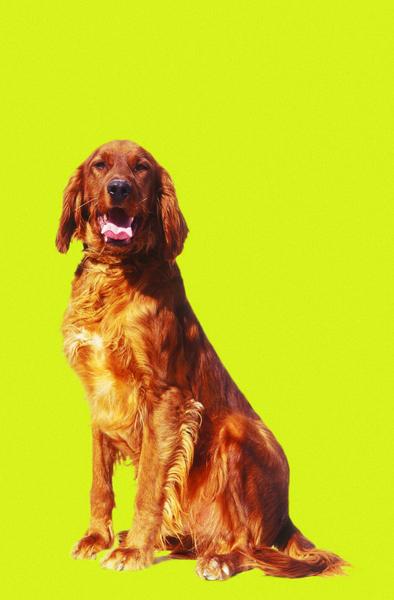
Setters come in two breeds and two colors. Irish setters are a solid red color and actually derived from the bi-colored red and white setters. Both breeds are high-energy pooches, ones who are friendly and playful and make wonderful family dogs. The two types of setters are sporting dogs, but the Irish setters are considered to have a bit of an edge over their red and white cousins.
Irish Water Spaniel
The hunting Irish water spaniel breed isn’t at all what you expect in comparison to its setter relatives. First of all, water spaniels’ color is a drab brownish-grey and, sporting a curly coat and a poufy topknot, they more closely resemble poodles than setters. The double coat of this sporting breed serves a purpose: it’s water repellant. This, along with the breed’s strong swimming skills, makes it the ideal retrieving dog, especially in the cold waters of Ireland’s North Sea.
What if a Female Dog Breeds With Two Different Kinds of Males?


|
A New Free Course on Dog Grooming Reveals the Secret Step-by-Step Techniques used by the best Dog Groomers in the country!
Finally, You Can Now Groom your Dog on your own at home without having to hire an expensive groomer! |