

A Complete Guide to Helping Your Older Dog Live a Longer Life
Nutrition
As your buddy grows older, his dietary needs change. Older dogs generally need food that is lower in fat while still maintaining protein content. Feeding your dog smaller meals more often is easier on his aging digestive system. Your veterinarian might also suggest adding supplements such as omega-3 fatty acids, vitamin C or antioxidants to your dog’s diet, depending on his health. Giving your dog some pork hide to chew and brushing his teeth with dog toothpaste after meals will reduce his chances of gum disease and prevent the introduction of harmful bacteria into his system, potentially adding years to his life.
Environmental Changes
Older dogs will benefit from a few creature comforts they didn’t need in their younger years. Your pal can’t regulate his temperature as well has he used to, so give him a warm, dry place to sleep and don’t let him get too hot when exercising. He may also need more time inside and could use a ramp instead of stairs to make climbing easier on his joints. If your dog is having vision problems, try to keep your house’s layout predictable so it’s easier for him to navigate.
Veterinary Care
Consistent veterinary care and preventative testing will help keep your pal healthy in his later years. Yearly blood tests and a blood titer to see if he needs any booster shots on his vaccines may be a good place to start, if your vet recommends them. Getting your dog a checkup a few times a year instead of just once will also give him an advantage. Be on the lookout for signs that something could be wrong, such as a decrease in appetite, sudden weight gain, vomiting, diarrhea, hair loss, weakness, changes in housebreaking, increased thirst or rapid or strained breathing even when at rest.
Physical and Mental Exercise
Proper exercise is important to keep your pet sharp and healthy. Keep your dog as active as he can safely handle to help him stay healthy. Dogs who get little to no exercise often lose their health much more quickly, while dogs who stay in a healthy weight range live an average of 1.8 years longer, so keep your buddy fit. You should also spend time with your dog and give him a little mental exercise, whether you ask him to do tricks (as long as they’re easy on his joints) or just interact with him, to help keep his mind strong.
Is One Piece of Chocolate Detrimental to a Dog’s Health?
Theobromine and Chocolate
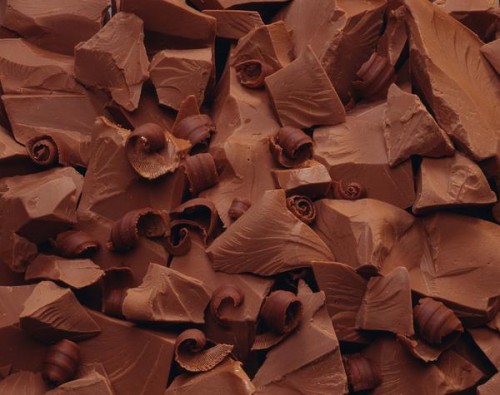
The poisonous factor in chocolate is its theobromine, which is a type of methylxanthine. To humans, theobromine produces subtle stimulating responses. Those responses, however, are markedly more intense in dogs. Tiny portions of theobromine from chocolate can be hazardous to pooches, often leading to throwing up, unusually antsy behavior, panting, loose stools, quivering and problems with heart rhythms. In severe situations, significant consumption of chocolate can even bring upon seizures and comas in dogs. Some dogs can pass away from it, too. This is why it’s so important to never give your pet chocolate. It’s also important to make sure he never gets it on his own, whether by going through your kitchen cabinet or exploring the contents of your trashcan.
Kinds of Chocolate and Toxicity
“One piece” of chocolate can mean many different things. Different kinds of chocolate contain varying amounts of theobromine, for one. Not all single pieces of chocolate are the same size, either. Darker chocolate, in general, has more theobromine and is therefore more hazardous to dogs. Baking chocolate and good dark chocolate often have 130 to 450 milligrams for every single ounce. Milk chocolate, on the other hand, generally has markedly less, with a typical 44 to 58 milligrams for every ounce. Lastly, white chocolate has the least theobromine, as it typically has just 0.25 mg for every ounce. Since there’s absolutely no reason for your dog to have chocolate in his diet, the smartest thing you can do is make sure he never even has the slightest taste of it. If it’s large enough, one piece of chocolate can indeed be detrimental to your dog’s health, especially if it’s dark.
Chocolate Size and Toxicity
A single “piece” of chocolate can sometimes be as big as 8 ounces. If your curious mid-sized dog gets his paws on a giant milk chocolate bar of 8 ounces and eats it, it might be enough to bring upon toxic effects in him, indicates veterinarians Justine A. Lee and Ernest Ward on VCA Animal Hospitals’ website. This applies to dogs who weigh around 50 pounds. If your pooch is smaller than that, he could experience toxicity with a more minimal amount. Baker’s chocolate is even more hazardous. A mere single ounce of baker’s chocolate can be dangerous to mid-sized canines. Remember, single squares of baker’s chocolate often are 1 ounce. If you ever see your dog eating any type of chocolate, get immediate veterinary assistance for him, no matter the amount. Seek veterinary care even if you don’t notice any symptoms.
Ban Chocolate in General
White chocolate is less toxic to dogs than darker kinds, but it’s still nowhere near safe for your furry buddy. Paler chocolates are fatty, and as a result can bring upon diarrhea and throwing up in dogs. Fatty foods can also make dogs more vulnerable to pancreatitis, which is a potentially deadly disorder that involves the pancreas swelling. Keep all chocolates out of your pet’s mouth, period. Never feed your dog any human food unless your veterinarian tells you that it’s safe.


|
A New Free Course on Dog Grooming Reveals the Secret Step-by-Step Techniques used by the best Dog Groomers in the country!
Finally, You Can Now Groom your Dog on your own at home without having to hire an expensive groomer! |