

Daily Grooming for an English Bulldog
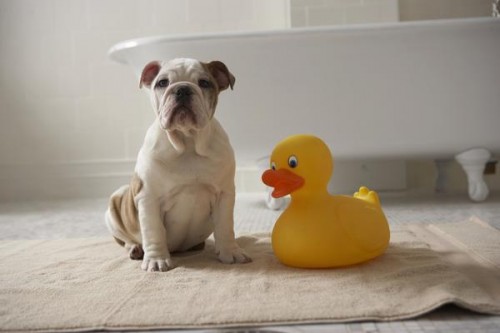
Brushing
An English bulldog should be brushed at least three times per week, especially when the dog is shedding its hair in the spring and summer. Do the brushing with a soft bristle or rubber brush, first against the grain of the hair and then with the grain.
Washing
Although a bath doesn’t have to be a daily procedure, it is good to wash your bulldog often. Block the dog’s ears with cotton balls before the bath and apply drops of mineral oil to its eyes. Then wash the dog with water and mild soap, or with a pH-balanced pet shampoo. Lather everywhere, including between the toes and under the tail and genitals. Rinse the soap off well and dry the dog with a towel.
Ear Care
English bulldogs have sensitive ears that need to be carefully cleaned to avoid damaging them. You can do this with a warm washcloth, cotton ball or, if done very carefully, a cotton swab. It is also possible to buy a solution from a veterinarian made specifically to clean the dog’s ears.
Face Care
English bulldogs have wrinkly faces; they require special cleaning that, in some cases, has to be done daily. The older the dog becomes, the more wrinkles it has. Rub the dog’s wrinkles with petroleum jelly to keep the skin soft. Clean them with a wet cloth or baby wipes and then dry them well. The nose wrinkle is particularly important, and may require the application of diaparene ointment, a form of zinc oxide.
Veterinary Advice on Homemade Dog Food
Necessities
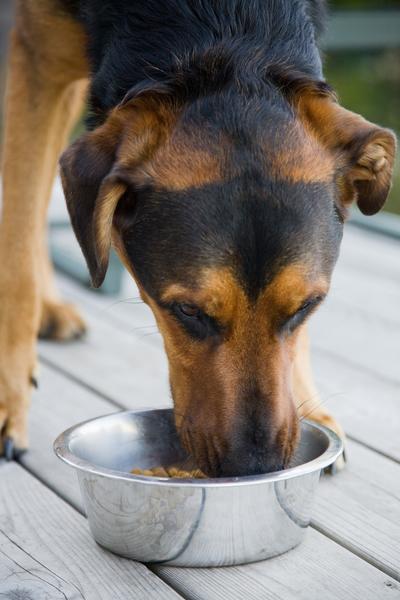
Commercial dog foods contain the proper balance of nutrients for your pet. That balance is something you must employ when making your own meals for Fido. According to WebMD.com, homemade dog foods must contain a protein and carbohydrate source, the correct amount of vitamins and minerals, along with a small amount of fat. Once you find the right recipe, keep making and feeding it to your dog, rather than constantly switching ingredients. Good protein sources include chicken, turkey, lamb or hamburger, along with boned fish. You can also use eggs and low-fat cottage cheese as a protein sources. Sources of carbohydrates include rice, potatoes and pasta. You can offer your dog cooked green beans, peas and carrots.
Supplements
Read the ingredients list on a commercial dog food can or package. It likely contains all kinds of vitamin and mineral supplements. Webvet recommends purchasing supplements containing micronutrients “essential for maintaining pet health and almost certainly missing from your ingredient list.” Dr. Michael Fox suggests kelp or spirulina added to your dog’s food a few times a week.
Foods to Avoid
Although a raw meat diet is popular in some quarters, as that’s what the domestic dog’s wild canine ancestors ate, most veterinarians don’t endorse it. That’s because raw meat can contain bacteria that’s destroyed when cooking, including salmonella and E. coli. Other foods to avoid include onions, garlic, grapes, raisins and macadamia nuts, all of which can be toxic to canines. Chocolate is also a no-no, in case you’re tempted to give your dog dessert after his home-cooked meal.
Sample Recipe
The California-based Founders Veterinary Clinic offers a sample recipe for feeding a 20-pound canine. It consists of 1/4 pound of skinless chicken; 1 cup cooked brown rice; 1/2 to 1 pound of peas and carrots; 1/4 teaspoon of potassium chloride, used as a salt substitute; 1 tablespoon of vegetable oil; 250 milligrams of calcium citrate and a daily multiple vitamin supplement. For a 10-pound dog, cut the ingredients in half, while doubling them for a 40-pound animal.


|
A New Free Course on Dog Grooming Reveals the Secret Step-by-Step Techniques used by the best Dog Groomers in the country!
Finally, You Can Now Groom your Dog on your own at home without having to hire an expensive groomer! |