

How Can I Tell if My Dog Has a Vision Problem?
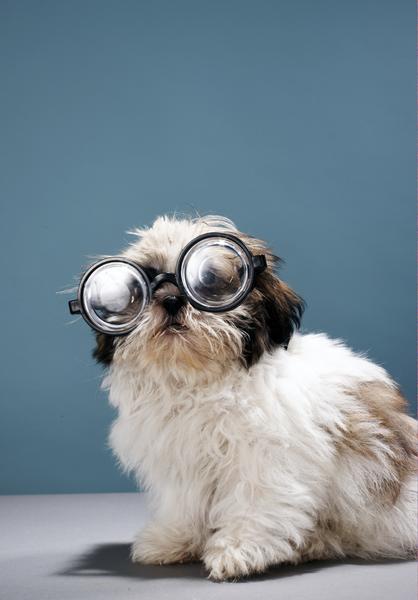
Cataract
A cataract is an opaque spot on a dog’s eye lens. Small cataracts might be tough to notice and shouldn’t affect your dog’s vision much. Larger cataracts, however, can lead to permanent blindness if untreated. If his eyes look cloudy or have a bluish-gray cast, take him to the vet right away. All breeds are susceptible to cataracts, and the disease can stem from old age, injury or trauma. Cocker spaniels, poodles, miniature schnauzers, terriers and golden retrievers are especially prone, as are dogs with diabetes.
Glaucoma
Glaucoma occurs when the eye cannot drain fluid. Pressure builds in the eye and can cause severe nerve damage if not relieved within a day or two. As with cataracts, glaucoma triggers cloudy eyes in dogs. Other signs of glaucoma include the eyeball receding back into the head, reddened blood vessels in the whites of the eyes and dilated pupils that may not respond to light. In more advanced cases, your dog’s eye may get sticky and vision loss will become obvious.
Progressive Retinal Atrophy
Progressive retinal atrophy is an inherited eye disease that slowly deteriorates a dog’s retinas. The fact that progressive retinal atrophy is painless can make it difficult for many people to spot, but outward signs of the disease begin with a glowing shininess in a dog’s eyes. This translates into night blindness and, ultimately full blindness. Though any breed can develop progressive retinal atrophy, English mastiffs and bull mastiffs, as well as male Siberian huskies and Samoyeds are especially prone.
Other Vision Problems
Conjunctivitis, or pink eye, is common in dogs and can cause inflamed, sticky or itchy eyes that are sensitive to light. Keratitis, which mostly affects German shepherds, causes pigmentation and superficial blood vessels on the eye and can reduce your dog’s vision if left untreated. Corneal ulcers sometimes occur when your dog gets something in her eye. These ulcers can become infected and usually cause a dog’s eye to water excessively.
Signs of Eye Trouble
Outside of diseases, vision problems in dogs usually stem from an injury or illness that, while painful or maybe just annoying, often are easily treated. If you see excessive tearing or redness, prolonged droopy or closed eyes or discharge, your dog may be suffering eye problems that may lead to vision issues if left untreated. The best way to notice your dog’s eye health is to check his eyes routinely. If something looks amiss, it’s best to call your vet.
Life Preservers for Dogs
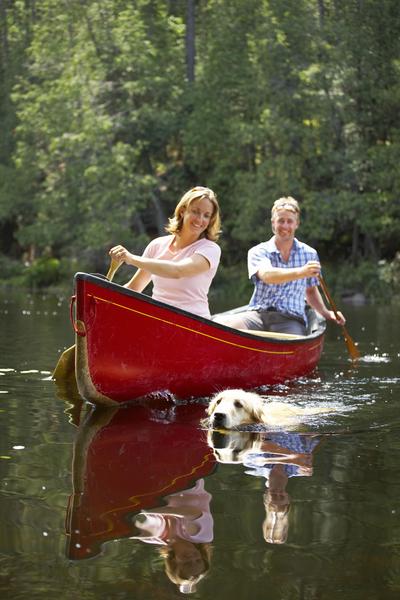
Uses
Dress your dog in a canine flotation device for any activity that requires a person to wear one. These activities include boating, fishing and swimming in deep waters. While wearing one in a swimming pool is not always necessary, it does serve as an additional precaution. Small dogs and dogs that are learning to swim can safely wade in a pool if wearing a flotation device. Used in canine water therapy, life preservers keep dogs afloat as they regain strength in their muscles.
Fitting
The flotation device must fit the dog properly. Otherwise, it can cause discomfort, limit the dog’s range of motion and supply an insufficient level of buoyancy. Record the dog’s weight and chest size, and compare these measurements to the weight and size ranges listed on each life preserver. A soft measuring tape provides an accurate measurement of the chest. Place the tape behind the dog’s front legs, and wrap it around snugly, as recommended by Champion K9 Outfitters.
Considerations
Associate the life preserver with something positive to help your dog feel comfortable wearing one. Praise the dog and provide a few treats as it sniffs the preserver and spends time around it. Then, when you do place the preserver on the dog, adjust the straps as needed so it fits closely without rubbing or digging into the dog’s skin. Practice sessions in a swimming pool can also help the dog adjust to wearing one in the water.
Drowning
If a life preserver fails to keep your dog afloat in rough waters, you can help it recover after rescue by providing first aid. Holding the dog by the waist or hind legs with its head facing downward can help if the dog is unconscious, notes Betsy Brevitz, D.V.M. She recommends that you monitor the dog closely and keep it warm if it’s conscious. The dog will need veterinary attention if it has trouble breathing or other severe symptoms. By learning CPR for dogs, you will be equipped to resuscitate if needed on the way to the hospital.


|
A New Free Course on Dog Grooming Reveals the Secret Step-by-Step Techniques used by the best Dog Groomers in the country!
Finally, You Can Now Groom your Dog on your own at home without having to hire an expensive groomer! |