

How to Make a Clicker for Dog Training
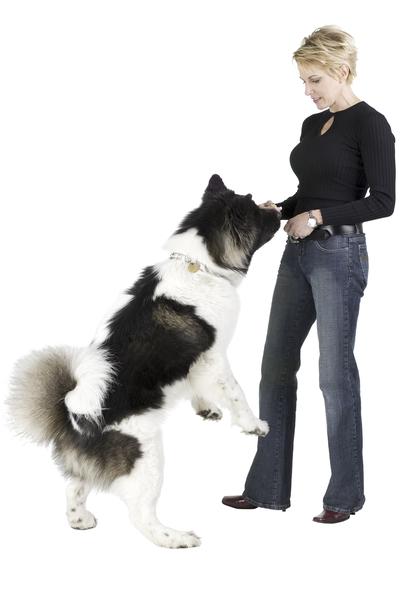
1Save a small metal jar lid with a safety button. Safety buttons are the raised areas that pop up when you open the jar so you can be sure the container has not been tampered with. Baby food and pickle jars usually have suitable tops. It needs to be small enough to fit comfortably in the palm of your hand.
2Wash any food remnants off the lid and dry it. It’s worth preparing more than one, so you have a spare clicker on hand if the original gets damaged or lost.
3Push the safety button out farther with the hammer. Hold the head of the hammer against the underside of the button and hold firmly onto the lid while pushing with the hammer head. The bottom, not the sharp end, of a screwdriver or similar tool also works for this purpose. Enlarging the safety button increases the sound level.
4Test your clicker by pressing the button and push it out again until you are getting a loud click. Don’t worry if the lid becomes distorted.
5Hold the lid in the palm of your hand with the top side uppermost while training. Push the button with your thumb whenever you need to click.
What Problems Do Maltese Have?
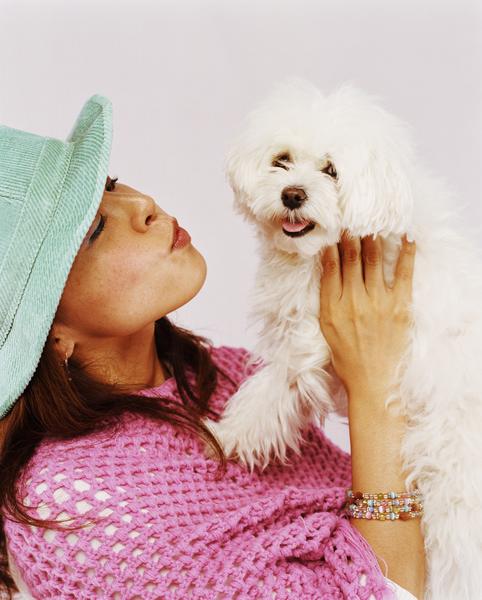
Tiny Dogs, Big Mouths
Your little white pup makes a good watchdog. He’ll let you know if anyone comes near your home. On the other hand, Maltese can become problem barkers. That’s especially true if they’re frequently left alone. They were bred as companion dogs and don’t like solitude. You might be unaware that your tiny pal is a nuisance barker until your neighbor complains. Lots of exercise and playtime might alleviate minor barking problems, but for serious issues, contact a dog trainer.
Tiny Dogs, Big Nerves
Although the Maltese is among the smallest of the toy breeds, weighing less than 7 pounds at maturity, he doesn’t realize he’s a little guy. A tiny dog with a lot of nerve can cause a problem when he encounters other canines. Adjectives like “spunky” and “bold” often describe the Maltese personality, but that also means your courageous little dog might have no fear about taking on a more powerful animal. It’s up to you to protect your best friend when he’s in the company of other dogs.
No Small Children
Tiny dogs and tiny kids don’t mix. A Maltese can make a good family dog for older kids who know how to handle him. He’s just too small a dog for young children, who can inadvertently hurt him. That can result in kids being bitten in self-defense. If you occasionally host small visitors, keep them away from the dog or supervise them very carefully.
Maltese Grooming
If you aren’t fond of frequently brushing your dog, choose another breed. While grooming isn’t a Maltese “problem” per se, if it’s not done regularly you’ll have one. Your Maltese requires daily brushing and regular trips to a professional groomer. His hair mats easily, so can quickly become a mess. Matted hair can lead to skin infections.
Health Issues
Maltese aren’t prone to a lot of serious health problems. Among the most common is liver shunt, a genetic disorder found in many small dog breeds. It occurs when a prenatal vein that carries blood for the fetus fails to close after birth. Blood in these dogs bypasses the liver, which has the job of filtering toxins. Special low-protein diets can manage liver shunt in some dogs, while others require surgery to correct the condition. Other health issues affecting the Maltese include luxating patellas, also known as popped kneecaps, periodontal disease and, rarely, a neurological condition known as shaker dog syndrome.


|
A New Free Course on Dog Grooming Reveals the Secret Step-by-Step Techniques used by the best Dog Groomers in the country!
Finally, You Can Now Groom your Dog on your own at home without having to hire an expensive groomer! |