

What Is the Average Life Expectancy of a Chinese Pug Puppy?
Helping Your Pug Live a Long Life
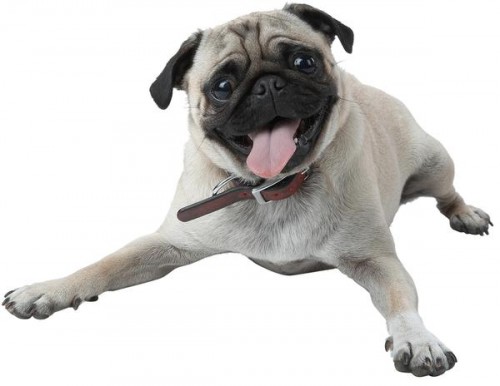
One important fact to keep in mind, according to PetMD.com, is that pugs are “prone to major health problems,” particularly in terms of the skin and respiratory system. Therefore, to help your pug live a long life, it is necessary to keep a watchful eye on your pug’s physical well-being. Regular visits to the vet are critical, nails should be kept short, eyes and ears should be kept clean, and the face, particularly the “nose roll,” should be washed every day.
More Health Tips
Diet, too, is extremely important. Pugs love to eat and, as a result, many pugs become overweight. Overeating and excessive weight may present serious problems. Overfeeding should be avoided. Also, pugs are very sensitive to temperature extremes. This means that your pug should be kept as cool as possible in the hotter months and should not be exposed to frigid weather for extended periods of time. Being conscientious about health means a higher likelihood of a happy 12 to 18 years.
Life Preservers for Dogs
Uses
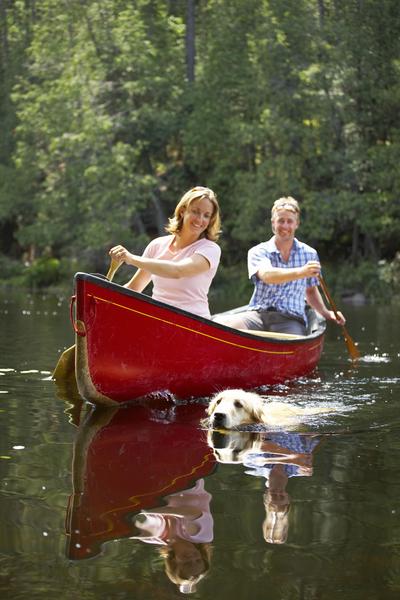
Dress your dog in a canine flotation device for any activity that requires a person to wear one. These activities include boating, fishing and swimming in deep waters. While wearing one in a swimming pool is not always necessary, it does serve as an additional precaution. Small dogs and dogs that are learning to swim can safely wade in a pool if wearing a flotation device. Used in canine water therapy, life preservers keep dogs afloat as they regain strength in their muscles.
Fitting
The flotation device must fit the dog properly. Otherwise, it can cause discomfort, limit the dog’s range of motion and supply an insufficient level of buoyancy. Record the dog’s weight and chest size, and compare these measurements to the weight and size ranges listed on each life preserver. A soft measuring tape provides an accurate measurement of the chest. Place the tape behind the dog’s front legs, and wrap it around snugly, as recommended by Champion K9 Outfitters.
Considerations
Associate the life preserver with something positive to help your dog feel comfortable wearing one. Praise the dog and provide a few treats as it sniffs the preserver and spends time around it. Then, when you do place the preserver on the dog, adjust the straps as needed so it fits closely without rubbing or digging into the dog’s skin. Practice sessions in a swimming pool can also help the dog adjust to wearing one in the water.
Drowning
If a life preserver fails to keep your dog afloat in rough waters, you can help it recover after rescue by providing first aid. Holding the dog by the waist or hind legs with its head facing downward can help if the dog is unconscious, notes Betsy Brevitz, D.V.M. She recommends that you monitor the dog closely and keep it warm if it’s conscious. The dog will need veterinary attention if it has trouble breathing or other severe symptoms. By learning CPR for dogs, you will be equipped to resuscitate if needed on the way to the hospital.
How to Take Care of Old Dogs for Quality of Life
Feeding
You might want to switch your dog to a special diet formulated for senior canines. It’s important to prevent Fido from becoming fat. Obesity isn’t healthy at any age, but it’s a condition that less-active senior dogs consuming the same amount of food they did in their prime can easily develop. Talk to your vet about your dog’s diet and any special nutritional requirements he might have.
Preventive Care
If you’re lucky, your senior dog is healthy and you want to keep him that way. That might mean taking him to the vet more often than his once-a-year checkup. According to the American Animal Hospital Association, older dogs “in the last 25 percent of the predicted life span for their breed” should optimally have an examination about every six months. Your vet monitors your dog’s weight, inspects him for any arthritic changes and examines his skin for any lumps or bumps. Regular blood, thyroid, fecal and urine tests alert your vet to any changes requiring further investigation. Tell your vet about any changes you’ve noticed in your dog’s behavior, even if it seems minor to you.
Supplements
While your vet prescribes any necessary medication for your old dog, some over-the-counter supplements may improve his quality of life if he shows certain arthritic changes. Supplements for dogs containing glucosamine, chondroitin sulfate and methyl-sufonyl-methane may slow down the cartilage breakdown that is the essence of arthritis. While these supplements might help put a spring back in his step, always check with your vet before giving your dog any over-the-counter treatment.
Exercise
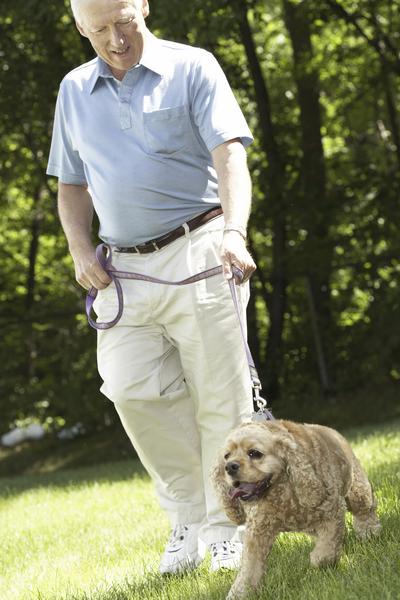
Even if your dog develops a little hitch in his get-along, he still needs exercise. Regular exercise keeps joints mobile, but his activity level probably isn’t what it once was. Instead of going for runs, take him for walks. Maybe he isn’t up for a half-hour spin around the neighborhood every day, but 15 minutes or so might suit him just fine.
Making Adjustments
Maybe Fido can’t get up and down the stairs as easily as he once did. If you allow him on the furniture, it might be tough for him to climb onto a chair, sofa or bed. You can purchase or build ramps to help him get where he wants to go more easily. If he can’t navigate the stairs to the places he once slept, provide a convenient new sleeping area for him.
A Complete Guide to Helping Your Older Dog Live a Longer Life
Nutrition
As your buddy grows older, his dietary needs change. Older dogs generally need food that is lower in fat while still maintaining protein content. Feeding your dog smaller meals more often is easier on his aging digestive system. Your veterinarian might also suggest adding supplements such as omega-3 fatty acids, vitamin C or antioxidants to your dog’s diet, depending on his health. Giving your dog some pork hide to chew and brushing his teeth with dog toothpaste after meals will reduce his chances of gum disease and prevent the introduction of harmful bacteria into his system, potentially adding years to his life.
Environmental Changes
Older dogs will benefit from a few creature comforts they didn’t need in their younger years. Your pal can’t regulate his temperature as well has he used to, so give him a warm, dry place to sleep and don’t let him get too hot when exercising. He may also need more time inside and could use a ramp instead of stairs to make climbing easier on his joints. If your dog is having vision problems, try to keep your house’s layout predictable so it’s easier for him to navigate.
Veterinary Care
Consistent veterinary care and preventative testing will help keep your pal healthy in his later years. Yearly blood tests and a blood titer to see if he needs any booster shots on his vaccines may be a good place to start, if your vet recommends them. Getting your dog a checkup a few times a year instead of just once will also give him an advantage. Be on the lookout for signs that something could be wrong, such as a decrease in appetite, sudden weight gain, vomiting, diarrhea, hair loss, weakness, changes in housebreaking, increased thirst or rapid or strained breathing even when at rest.
Physical and Mental Exercise
Proper exercise is important to keep your pet sharp and healthy. Keep your dog as active as he can safely handle to help him stay healthy. Dogs who get little to no exercise often lose their health much more quickly, while dogs who stay in a healthy weight range live an average of 1.8 years longer, so keep your buddy fit. You should also spend time with your dog and give him a little mental exercise, whether you ask him to do tricks (as long as they’re easy on his joints) or just interact with him, to help keep his mind strong.
Will Hernias in Puppies Be a Problem Later in Life?

Umbilical Hernias
If you notice a protrusion in the area of your puppy’s belly button, underneath his rib cage, it’s likely he has an umbilical hernia. In some puppies, these hernias close up and disappear before the age of 6 months. If it doesn’t go away, surgical removal is advisable. While most umbilical hernias don’t bother adult dogs, there’s always the slim possibility that part of his intestines could become trapped, cutting off the blood flow. This results in strangulation, requiring emergency surgical correction.
Inguinal Hernias
Inguinal hernias are less common in puppies than umbilical hernias. They can occur in male puppies, but are more often found in female dogs going through pregnancy or estrus. You might notice a swelling in the area of your dog’s groin, or in the scrotum of an intact male dog. Inguinal hernias are usually painless and don’t cause problems unless a strangulation results.
Correction
Hernias in puppies are often corrected when the dog is spayed or neutered, since the animal is already under anesthesia. Scar tissue formed around an umbilical hernia is removed. The site is then closed by suturing. With an inguinal hernia, any organs that protrude are put back in place, with stitches or a muscle graft repairing the hernia. Most puppies experience no complications and hernia recurrence is rare. The puppy might need to wear an Elizabethan collar for several days after surgery, but that also would be necessary to keep a spayed female from bothering her incision.
Diaphragmatic Hernias
Unlike inguinal or umbilical hernias, diaphragmatic hernias result from trauma. Your puppy could experience a diaphragmatic hernia if he’s hit by a car, mauled by another dog or receives any type of severe blunt force. A tear occurs in the diaphragm, which separates the chest from the abdomen. Through this opening, the gastrointestinal and other organs can enter the chest cavity. If you did not witness the trauma your puppy went through, the most obvious sign of a serious diaphragmatic hernia is difficulty breathing. Puppies with small tears might be asymptomatic. If your dog receives any serious blow, take him to the vet for an examination even if he seems fine.
Does a Dog Stop Eating at the End of Its Life?
Declining Appetite
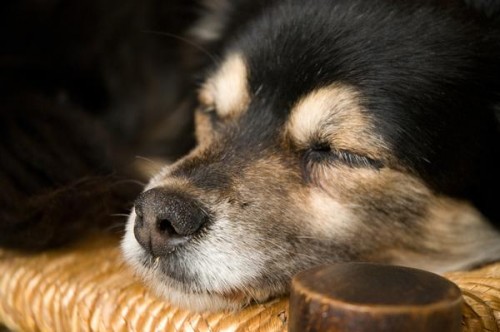
A dog’s appetite naturally declines as he ages. Some decline in appetite is not necessarily an indication that your elder dog is dying. He may simply have some physical challenges that need addressing. He may also simply find food to be less appealing than he did when he was younger. It is sometimes possible to entice a dog to eat more by offering different foods. He might need smaller pieces of kibble, food moistened with water or broth or some additional flavor from canned dog or cat food. If these changes do not entice your dog to eat, you may wish to take him to the vet to determine if there is an underlying cause to his declining appetite or if it is merely due to age.
Less Activity
As dogs age, they become less active. If your dog’s appetite remains normal, then he may become obese. It is equally as likely that he will eat less, however. Your dog may need to eat smaller meals of specially formulated senior food to accommodate fewer calories being burned over longer periods. Adding wheat bran to your elderly dog’s food may also reduce constipation, an issue common to dogs of advancing age due to a lack of activity. The discomfort associated with constipation may in itself reduce your dog’s desire to eat.
Systems Shutting Down
Your dog’s body will start to shut down as the end of his life draws near. Not only will he stop eating and drinking, but his bladder and bowel control will eventually cease. His body temperature will drop. Over time your dog will restrict his movements and he will try to hide in a secure, private space to sleep. His body is shutting down, system by system, preparing him for death. Even though he stops eating, it is important that he continue to take in fluids, even if he takes in a dropper of fluid at a time. Your dog will count on you to keep him comfortable at this time. Stay calm, keep him hydrated and ensure that he is warm and undisturbed by children or other household pets.
Quality of Life and Euthanasia
Your dog’s unwillingness to eat will alert you to the impending end of his life. It might be tempting to ask your veterinarian to help you prolong the time you have together. If your dog is not eating or if he appears to be in pain, then it might be time to determine your dog’s quality of life. If your dog has pain uncontrollable by medication or if his inability or lack of desire to eat is so complete that he is starving himself, it may be that his quality of life is poor. At such time it is appropriate to consult your veterinarian to determine your dog’s end of life options, including euthanasia.
Can My Blind Dog Have a Good Life?
The Adjustment Period
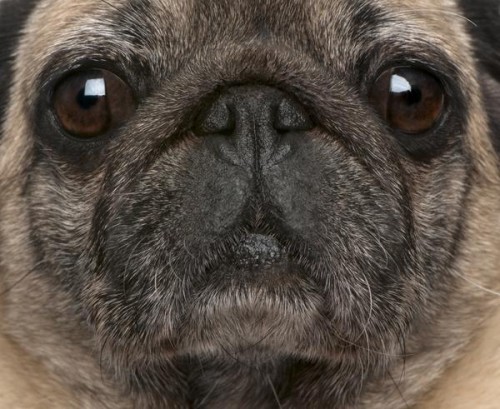
Your dog can live a happy life with her blindness, but for many dogs, there is an adjustment period. Young dogs who live indoors and have a gradual onset of blindness usually adjust the most quickly, while older dogs, outside dogs and dogs with a sudden loss of vision might take a little longer to get used to their new conditions. For the first few weeks, your dog may show signs of increased fear or aggression, or may seem listless and depressed. This is normal and should improve as your dog regains her bearings. She may develop separation anxiety as well, since she will be more reliant on you.
Helping Her Navigate
Sight is the third most important sense for dogs, after scent and hearing, which leaves your pal with some powerful tools to adjust to the new challenges in her life. There are a number of steps you can take to make your home easier to navigate using senses other than sight. Try to keep important objects, like furniture, your dog’s water and food bowls, and the dog bed or carrier, in the same place in the house and keep the floor clear. Use scented oils or perfume to map out important areas or hazards. For example, dab vanilla at the top and bottom of the stairs, and use a different scented candle or plug-in for each room to help your dog navigate. Leave a small mat or rug in each doorway so your dog can tell when she’s crossed from one room to another, and tie a bell or wind chimes to the back door so she can find the yard when it’s time to go out. Place plants along the house, fence and porch, so the leaves will touch her before she runs into something. You may also want to pad any sharp corners on your furniture.
Training
Teaching your dog a few new commands will allow you to communicate dangers clearly to your furry friend. Use clicker training, a method based on sound, and verbal commands to teach “stay,” “come,” “slow,” “stop,” “step up” and “step down.” If you use these words consistently every time a hazard comes up in addition to training sessions, for instance saying “step down” when you reach a curb on a walk, your dog will naturally begin to learn what they mean.
Play and Socialization
Talk to your pal frequently to let her know where you are and help her feel more secure. Remember that she cannot see you approach, so always make noise and make sure she is awake before touching her. Always allow her to sniff strangers’ hands before they pet her. You may want to get a bandanna or other clothing article for her that indicates she is a blind dog to prevent strangers from walking up and petting without asking. Invest in some toys that either smell or make sounds. You can scent the toys you already own with different essential oils to help make them distinct. Toys with bells inside, strong scents or those that play a sound for 30 seconds or more once pressed can make fetch possible with your blind dog.
Let Her Make Mistakes
Watching your best friend struggle with blindness can be heartbreaking. In fact, some owners take it harder than the dogs do, but it’s important to let your dog figure out her new world through trial and error. Avoid the urge to pick her up and carry her when she’s having a hard time. Imagine how confusing it would be to be blindfolded and suddenly transported to a random location in your house. Instead, use the sound of your voice to encourage her around obstacles. While the adjustment might take some time, your dog will soon start compensating with her other senses and return to the happy and energetic dog she’s always been.


|
A New Free Course on Dog Grooming Reveals the Secret Step-by-Step Techniques used by the best Dog Groomers in the country!
Finally, You Can Now Groom your Dog on your own at home without having to hire an expensive groomer! |