

Pomeranian Coat Grooming Tips
Preparing
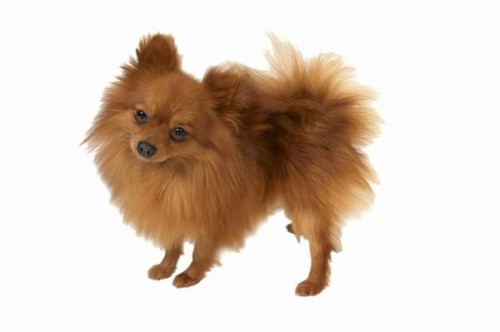
The first step in grooming a Pomeranian successfully is early preparation. Since the Pomeranian requires routine grooming, it is important she learns early to accept the process. Teaching her to stand for grooming and lie on her side or back when she is a puppy helps make grooming pleasurable for the puppy and the groomer. She should enjoy the bonding time associated with grooming and not dread it.
Brushing
Brushing the Pom daily is ideal, since his thick, double coat will get matted and tangled. However, not every pet owner has an extra 30 minutes a day. In this case, two weekly brushings is the minimum you can get by with to maintain his soft coat. Using a curved-bristle slicker brush, start with the hair on the Pom’s back and hold a section in your free hand. Brush downward from the part using a method referred to as “line brushing.” When brushing your Pom, make sure you don’t bear down too hard and scratch his skin. Follow up with a metal comb, and make sure all mats and tangles are gone. If any remain, hold the hair out from the skin and work them out using the comb, starting at the end of the hair and working toward the skin.
Bathing
The Pomeranian requires a bath only about once a month. After a thorough brushing, wet the Pom and apply a dog shampoo for sensitive skin, such as oatmeal shampoo. Rub the shampoo in until it forms suds. Rinse the Pom well and spritz his coat with a light leave-in conditioner for dogs. Finish up his bath by blotting his coat dry with a towel. Dry the Pom completely using a hairdryer on the lowest setting. Use a slicker brush to enhance the coat’s shine.
Clipping and Trimming
Many Pomeranian owners and breeders choose not to worry with grooming the thick coat. In this case, they choose a lion cut. This cut may be a low-maintenance solution; however, it takes away from the natural protection. Also, once the Pom’s coat is cut short, it may never grow back with the same thickness and shape it had previously. Therefore, scissoring only the anal area and hair under the paws is recommended by the Pet Pom website. Additionally, plucking the hair out of the Pomeranian’s ears helps prevent ear infections. A groomer should clip the Pom’s toenails when they are long.
Ingredients for Homemade Dog Food
Proper Nutrition
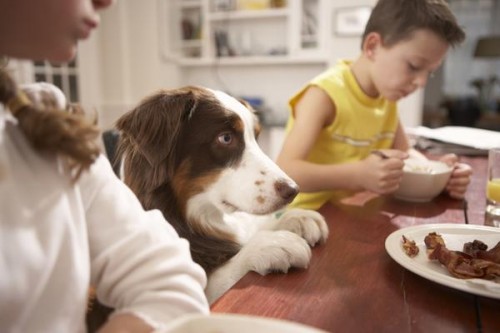
Though it requires time and effort, cooking for Duke gives you ultimate control over his diet. During the past several years, there’s been controversy surrounding pet foods, including the safety of manufactured pet food and the wisdom of feeding dogs and cats raw food. Homemade cooked food for pets has evolved into a satisfactory middle ground for many people, including veterinarians, provided the diet meets the animal’s specific nutritional needs.
Protein Requirements
Dr. Ronald Hines recommends protein ingredients comprise 20 to 45 percent of a dog’s diet. Options include ground beef, ground turkey, ground chicken, fish, eggs and dairy. If Duke loves beef, try a mixture of two-thirds to three-quarters of extra lean beef, with ground chuck filling out the balance; Duke will meet his dietary fat requirements without the benefit of supplements. Turkey that has 7 to 15 percent fat will work well in a homemade diet for a dog that isn’t watching his weight. If your pup has a taste for seafood, salmon is a good choice, with high omega-3 fatty acids and low mercury. Dr. Hines recommends limiting fish to two meals per week. Whole cooked eggs and cottage cheese are good sources of protein, though some dogs may have a difficult time digesting the cow’s milk in cottage cheese.
Carbohydrate Requirements
According to Dr. Hines, carbohydrates can comprise between 20 and 35 percent of Duke’s diet. Rice is a solid choice because it contains protein, as well as important minerals, such as phosphorus. If your pooch enjoys macaroni, it can be added to the mix, as wheat products don’t tend to cause dogs problems. Cooked potatoes are also fine and provide fiber and vitamin B-6. Dr. Hines recommends adding high fiber carbs such as oatmeal, canned pumpkin, cooked carrots and sweet peas gradually to the diet to avoid developing diarrhea.
Fat, Minerals and Vitamins
Fat is important to Duke and should comprise about 5 to 10 percent of his diet. Chicken fat, beef suet and flax seed oil are a few options for add-ins if your pup isn’t getting sufficient fat from his protein. The basic ingredients for protein usually aren’t quite enough to ensure your dog’s proper nutrition because meat and fish are too low in calcium and vitamins. Calcium carbonate antacid tablets are a fine addition to the homemade mix. A professional supplement, such as Balance IT, may give you peace of mind that Duke’s getting the minerals he needs. Too much of one vitamin can be as harmful as a deficiency, so it’s not a good idea to add vitamin supplements just in case. If you’re serving a well-balanced diet, you won’t need to worry about supplements.
Research is Important
If you want to cook for Duke, do your research to be sure your recipes are balanced and nutritious. It’s also a good idea to consult your vet to make sure your pup doesn’t have any special needs or issues to consider. Your vet should be able to guide you on the potential need and use of supplements.


|
A New Free Course on Dog Grooming Reveals the Secret Step-by-Step Techniques used by the best Dog Groomers in the country!
Finally, You Can Now Groom your Dog on your own at home without having to hire an expensive groomer! |