

Veterinary Advice on Homemade Dog Food

Necessities
Commercial dog foods contain the proper balance of nutrients for your pet. That balance is something you must employ when making your own meals for Fido. According to WebMD.com, homemade dog foods must contain a protein and carbohydrate source, the correct amount of vitamins and minerals, along with a small amount of fat. Once you find the right recipe, keep making and feeding it to your dog, rather than constantly switching ingredients. Good protein sources include chicken, turkey, lamb or hamburger, along with boned fish. You can also use eggs and low-fat cottage cheese as a protein sources. Sources of carbohydrates include rice, potatoes and pasta. You can offer your dog cooked green beans, peas and carrots.
Supplements
Read the ingredients list on a commercial dog food can or package. It likely contains all kinds of vitamin and mineral supplements. Webvet recommends purchasing supplements containing micronutrients “essential for maintaining pet health and almost certainly missing from your ingredient list.” Dr. Michael Fox suggests kelp or spirulina added to your dog’s food a few times a week.
Foods to Avoid
Although a raw meat diet is popular in some quarters, as that’s what the domestic dog’s wild canine ancestors ate, most veterinarians don’t endorse it. That’s because raw meat can contain bacteria that’s destroyed when cooking, including salmonella and E. coli. Other foods to avoid include onions, garlic, grapes, raisins and macadamia nuts, all of which can be toxic to canines. Chocolate is also a no-no, in case you’re tempted to give your dog dessert after his home-cooked meal.
Sample Recipe
The California-based Founders Veterinary Clinic offers a sample recipe for feeding a 20-pound canine. It consists of 1/4 pound of skinless chicken; 1 cup cooked brown rice; 1/2 to 1 pound of peas and carrots; 1/4 teaspoon of potassium chloride, used as a salt substitute; 1 tablespoon of vegetable oil; 250 milligrams of calcium citrate and a daily multiple vitamin supplement. For a 10-pound dog, cut the ingredients in half, while doubling them for a 40-pound animal.
Ingredients for Homemade Dog Food

Proper Nutrition
Though it requires time and effort, cooking for Duke gives you ultimate control over his diet. During the past several years, there’s been controversy surrounding pet foods, including the safety of manufactured pet food and the wisdom of feeding dogs and cats raw food. Homemade cooked food for pets has evolved into a satisfactory middle ground for many people, including veterinarians, provided the diet meets the animal’s specific nutritional needs.
Protein Requirements
Dr. Ronald Hines recommends protein ingredients comprise 20 to 45 percent of a dog’s diet. Options include ground beef, ground turkey, ground chicken, fish, eggs and dairy. If Duke loves beef, try a mixture of two-thirds to three-quarters of extra lean beef, with ground chuck filling out the balance; Duke will meet his dietary fat requirements without the benefit of supplements. Turkey that has 7 to 15 percent fat will work well in a homemade diet for a dog that isn’t watching his weight. If your pup has a taste for seafood, salmon is a good choice, with high omega-3 fatty acids and low mercury. Dr. Hines recommends limiting fish to two meals per week. Whole cooked eggs and cottage cheese are good sources of protein, though some dogs may have a difficult time digesting the cow’s milk in cottage cheese.
Carbohydrate Requirements
According to Dr. Hines, carbohydrates can comprise between 20 and 35 percent of Duke’s diet. Rice is a solid choice because it contains protein, as well as important minerals, such as phosphorus. If your pooch enjoys macaroni, it can be added to the mix, as wheat products don’t tend to cause dogs problems. Cooked potatoes are also fine and provide fiber and vitamin B-6. Dr. Hines recommends adding high fiber carbs such as oatmeal, canned pumpkin, cooked carrots and sweet peas gradually to the diet to avoid developing diarrhea.
Fat, Minerals and Vitamins
Fat is important to Duke and should comprise about 5 to 10 percent of his diet. Chicken fat, beef suet and flax seed oil are a few options for add-ins if your pup isn’t getting sufficient fat from his protein. The basic ingredients for protein usually aren’t quite enough to ensure your dog’s proper nutrition because meat and fish are too low in calcium and vitamins. Calcium carbonate antacid tablets are a fine addition to the homemade mix. A professional supplement, such as Balance IT, may give you peace of mind that Duke’s getting the minerals he needs. Too much of one vitamin can be as harmful as a deficiency, so it’s not a good idea to add vitamin supplements just in case. If you’re serving a well-balanced diet, you won’t need to worry about supplements.
Research is Important
If you want to cook for Duke, do your research to be sure your recipes are balanced and nutritious. It’s also a good idea to consult your vet to make sure your pup doesn’t have any special needs or issues to consider. Your vet should be able to guide you on the potential need and use of supplements.
Homemade Dog Food Recipe

Basic Dog Food
1Pour one pound of raw ground hamburger into a large bowl. Add two cups of finely diced vegetables. Any vegetables will do, and more than one vegetable should be used. If your dog is prone to gas, avoid vegetables such as broccoli that may cause flatulence.
2Add in a half-cup of organ meat, such as chicken or beef liver, and a half-cup of plain yogurt.
3Crack three eggs into a separate bowl, and crumble the shells in the bowl as well. Beat the eggs and shells thoroughly, then pour into the hamburger mixture.
4Mix all ingredients together thoroughly. Feed two to three cups at each feeding, depending on the size of your dogs. The remainder can be stored in the refrigerator for several days.
Dog Stew
1Steam two cups of brown rice until thoroughly cooked. Steam one cup of vegetables as well, using several different kinds.
2Brown a pound of ground beef in a pan. Add the rice and vegetables to the beef after it is cooked and remove from heat.
3Pour in one cup of grated carrots and one tablespoon of vegetable oil. Stir to mix all ingredients thoroughly. Allow to cool completely before feeding. Feed two to three cups per feeding. Refrigerate the remainder.
Homemade Dog Food in a Slow Cooker

1Crack eight eggs into a non-stick skillet. Scramble the eggs with a fork and cook them over high heat, stirring constantly until they are firm. Eggs must be cooked thoroughly to prevent stomach upset in dogs.
2Spray your slow cooker with cooking spray to prevent your dog food from sticking to the pot. Dump the scrambled eggs into the slow cooker.
3Chop 1/2 pound of boneless skinless chicken or other lean meat into small bite-sizes pieces. You can use any boneless form of protein such as ground turkey, beef or lamb. Choose different meats to tempt your four-legged friend’s taste buds.
4Wash 2 pounds of potatoes and dry them. Dice the potatoes with skins on into 1-inch squares and add them to the pot. You can substitute other carbohydrates that your pet loves, such as sweet potatoes at the same amount or choose pasta, brown or white rice at the rate of about 1 cup. Pastas and rice double in size when cooked.
5Pour 1 cup of frozen peas and carrots into the slow cooker. You may choose other veggies such as green beans, broccoli, cauliflower or squash. Frozen or fresh veggies are better for your pooch than vegetables in a can. You will also cut out the preservatives and additional salt that canned veggies have in them.
6Add water to the slow cooker to cover all ingredients up to about three-quarters of the slow cooker’s top. Measure and add 1 teaspoon of bone meal powder.
7Stir the mixture thoroughly with a large spoon. Put the slow cooker on the “low” setting and check the mix for doneness in about four to six hours. If the mix is especially thick when using rice or pasta, add additional water and stir it. The dog food is done when the vegetables and meat are all tender and cooked thoroughly.
8Turn the slow cooker off and allow the dog food to cool. Pour the food into a large bowl and mash it with a potato masher until it is thick but smooth. Add additional water if needed to thin the mix.
Vet-Endorsed Homemade Dog Food Recipes
Basic Components
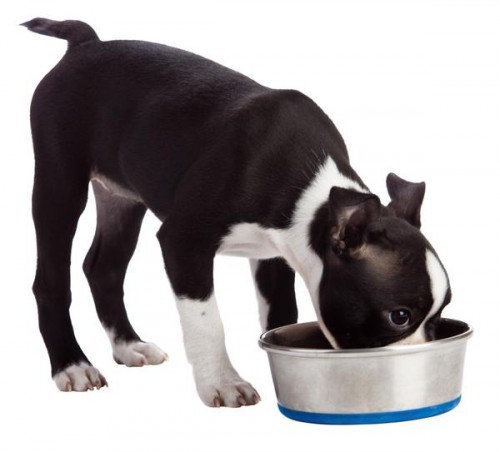
Your homemade meal must contain protein, fiber and carbohydrates. Puppies require about 25 percent protein in their meals, while 18 percent is sufficient for adults. However, protein needs change according to your dog’s age and vary according to breed, so check out the right amount with your vet. You might have noticed that commercial dog foods often don’t list the percentage of carbohydrates. That’s because the proper percentage of carbs in the dog’s diet is still not set in stone by the veterinary community and regulators. If you’re making Fido’s meals yourself, you have the freedom to purchase the freshest, highest-quality ingredients available. Make sure you weigh your dog frequently to verify he stays a healthy weight. Take your dog to the vet before starting the homemade diet so your vet can determine Fido’s ideal weight.
Sample Recipe
Massachusetts’ MSCPA-Angell Animal Medical Center provides sample recipes on its website for dogs weighing 15, 30 and 60 pounds. It recommends the same basic ingredients for all sizes, just at differing amounts. The primary protein source is dark chicken, but you can substitute with turkey, lamb, pork, beef or eggs in the same proportions. Carbohydrates might consist of pasta, white or brown rice, sweet potato, barley, peas, corn or oatmeal. Grains and meat should be cooked. Fiber comes from carrots, bell peppers, green beans, baby spinach, squash or broccoli but such fibrous matter should be no more than 10 percent of the dog’s entire dietary intake. Vegetables can be cooked or uncooked. For a 15-pound dog, mix 3 ounces of the protein source, 1 1/3 cups of carbohydrates;,1 tablespoon of vegetables and 1 to 2 teaspoons of a fat source such as vegetable oil. For 30-pound dogs, use 4.5 ounces of the protein source, 2 cups of carbohydrates, 1.5 tablespoons of vegetables and 2 to 3 teaspoons of a fat source. For 60 pound dogs, mix 8 ounces of the protein source, 3.5 cups of carbohydrates; 3 tablespoons of vegetables and 3 to 5 teaspoons of a fat source. As a supplement, MSPCA-Angell AMC recommends Balance IT, available from veterinarians.
Another Choice
Founder’s Veterinary Clinic of Brea, California, offers a sample recipe for 20-pound dogs that you can half for 10-pounders or doubled for 40-pound canines. It consists of 1/4 pound of cooked, skinless chicken; 1 cup of cooked brown rice; 1 cup of peas and carrots; 1 tablespoon of vegetable oil; and 1/4 teaspoon of a salt substitute. Substitutions for this recipe differ slightly from those allowed with the recipe from MSCPA-Angell Animal Medical Center in that FVC’s allows boned fish as a protein source and potato as a carbohydrate. FVC suggests adding calcium citrate or bonemeal powder to ensure that your home cooking doesn’t result in calcium deficiency. It also recommends a daily multiple vitamin designed for dogs.
Ask Your Vet
If your dog suffers from medical issues, you might need to adjust certain veterinary-endorsed diets. Ask your vet about your dog’s special nutritional needs as well as for a recommendation for a certified veterinary nutritionist. The three of you can find a homemade diet that meets your pup’s dietary requirements. Whether your dog has specific medical problems or not, you should always tell your vet that your dog eats a homemade diet. You should also add veterinarian-recommended supplements to the homemade diet’s basic components.
Not Recommended
You’ve probably heard of the raw diet, also known as the Biologically Appropriate Raw Food, or BARF, diet. The concept was developed by an Australian veterinarian, Dr. Ian Billinghurst. BARF’s philosophy states that “the diet a dog evolved to eat — over many millions of years of evolution — is the best way to feed it.” While you find might some veterinarians recommending raw foods for dogs, similar to what ancient canines ate, that’s not the view of the American Veterinary Medical Association. The AVMA, along with the U.S. Food and Drug Administration Center for Veterinary Medicine and the U.S. Centers for Disease Control and Prevention, don’t recommend raw food diets because of the risk of bacterial contamination or possible public health risks.
Homemade Dog Food in a Crock Pot

Cook’s Duties
Put it in, turn it on and walk away — just walk away. That’s all there is to it. No stirring, no clock watching. The hardest part is deciding what to put into your slow cooker. The combination of meats, vegetables and grains is entirely up to you, but your pup is sure to love chicken, brown rice and carrots or ground beef, oatmeal and chopped spinach. Once you explore the range of suitable and available foods, neither you nor your dog will ever find puppy supper boring again.
Control
Homemade dog food gives you complete control of what your dog eats, and it’s up to you to see that he gets a balanced diet. That means considering the ratio of ingredients, as well as that of calcium to potassium. The former is easily satisfied by a 1:1:1 ratio (or the Rule of Thirds — one part meat to one part veg to one part grain), and the second by feeding bones. With long, slow hours in a Crock-Pot, you can cook poultry bones until they disintegrate and become one with the food, thereby supplementing your dog’s calcium intake.
Convenience
It doesn’t get much more convenient than homemade dog food in a slow cooker. It means no labels to read, impossible names to pronounce or heavy bags of kibble to lug from the store to the car to the house. It also means no slaving over a hot stove. The dog’s dinner can perk along all night, while you and he pound your respective pillows. It can also simmer while you’re at work or out shopping; just put the pot somewhere Snoopy can’t possibly get to it, as he may not be able to resist the enticing aroma. Recipes are plentiful and easy to find, and you can let your creative inclinations run riot (as long as you stay within his dietary needs).
Costs
Homemade dog food doesn’t have to break your food budget. Not all the ingredients you put into your dog’s dinner need to be what you would serve company. Check with the produce man at your grocery store or farmer’s market about a price break on vegetables that are a little too tired to be on display — the dog will neither know nor care if the carrots are limp; dogs approach food with their noses, not their eyes. Grow your own veggies. Look over the meat displays at your local mega mart for special labels that mean reduced price. Check your freezer for freezer-burned meats. If you have hunters as friends, they may have some game they’d like to get rid of to make room in their freezer for this year’s bag. Rolled oats, whole barley and brown rice are downright cheap.
How to Make Cheap Homemade Dog Food
Recipe
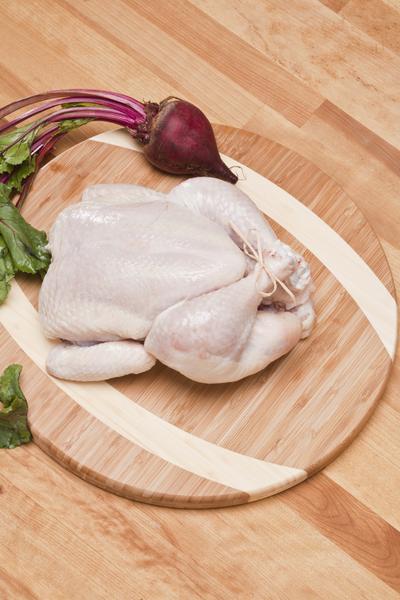
1Put a whole fryer and chicken livers in a slow cooker.
2Add frozen vegetables.
3Cover the meat and vegetables with water.
4Cook in the slow cooker on high for two to four hours.
5Switch the temperature to low and cook for eight more hours.
6Stir or mash the meat and vegetables together. Drain with a strainer.
Money Saving Ideas
1Check your refrigerator before you begin cooking a batch of food.
2Use leftovers from your refrigerator for ingredients. Dr. Greg Martinez says, “meat and veggies in the Crock-Pot even makes old salad taste good.” In other words, even wilted lettuce works. But stay away from avocados, dairy and the onion family.
3Buy meat and vegetables that are on clearance or sale to save.
Feeding and Storage
1Feed a 20-pound dog 20 ounces or 2 1/2 cups of homemade food a day.
2Feed an inactive 20-pound dog less; feed a pregnant, nursing or extremely active dog more. Winter may be an excuse to feed a bit more than in warmer months.
3Store the unused food in the refrigerator for up to a week. Freeze serving-size portions for up to three months.


|
A New Free Course on Dog Grooming Reveals the Secret Step-by-Step Techniques used by the best Dog Groomers in the country!
Finally, You Can Now Groom your Dog on your own at home without having to hire an expensive groomer! |