

Problems With Puggles

Heavy Shedding
The puggle has a coat that is easy to care for, but it does have thick fur that sheds heavily, especially during the warm months. Weekly brushing is necessary to ensure that all of the loose hair is shed. Though the puggle’s coat is not very long, it is not considered a hypoallergenic dog and is a poor choice for people with allergies.
Sensitive to Climate Change
Puggles are sensitive to climate changes due to their pug ancestry. They cannot tolerate overheating, and when the weather turns chilly they are prone to catching colds. They can also be sensitive to humid climates, and taking them outdoors in extremely hot or cold weather can tire them or cause illness.
Respiratory Problems
The puggle was bred to have a longer muzzle than the pug, and though they do not have the same extreme respiratory issues that fully brachycephalic pugs do, some puggles do have breathing problems. These issues may be limited to snoring or they may reverse-sneeze or wheeze after they have exerted themselves. Due to their beagle lineage they are extremely energetic, and they may want to play more than is good for them, which can exacerbate their breathing problems. Nostril enlargement and palate trimming surgery can work wonders for brachycephalic dogs like pugs and puggles.
Barking
Unless they are well-trained, puggles can be loud dogs. They are alert and will tend to bark to announce strangers or visitors to the home, though their friendliness prevents them from being good guard dogs. Some puggles may also howl, a trait that is common in beagles. Early training is essential to make sure that a puggle does not turn into a noisy nuisance.
Skin Infections
Some puggles, especially the ones that have more wrinkles in their face, are prone to skin infections. While a puggle’s muzzle is not as short and wrinkled as the muzzle of a pug, the wrinkles in its face still need to be cleaned on a regular basis. Dirt and debris can get caught in the wrinkles, which will abrade the skin and sometimes develop into a fungal and/or bacterial infection. Skin infections can be avoided by cleaning the wrinkles with a damp cloth once a day. You can use a gentle liquid cleaning and drying agent specially for this purpose.
How Can I Tell if My Dog Has a Vision Problem?
Cataract
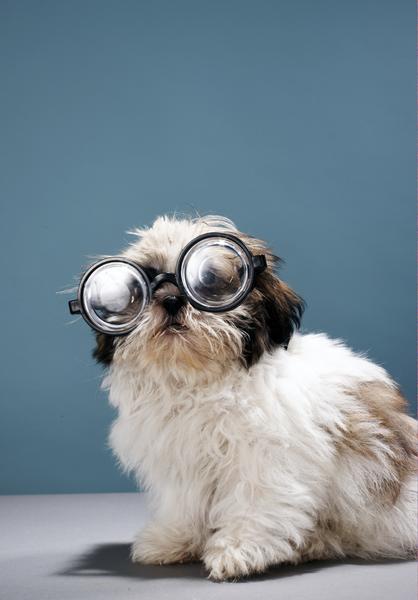
A cataract is an opaque spot on a dog’s eye lens. Small cataracts might be tough to notice and shouldn’t affect your dog’s vision much. Larger cataracts, however, can lead to permanent blindness if untreated. If his eyes look cloudy or have a bluish-gray cast, take him to the vet right away. All breeds are susceptible to cataracts, and the disease can stem from old age, injury or trauma. Cocker spaniels, poodles, miniature schnauzers, terriers and golden retrievers are especially prone, as are dogs with diabetes.
Glaucoma
Glaucoma occurs when the eye cannot drain fluid. Pressure builds in the eye and can cause severe nerve damage if not relieved within a day or two. As with cataracts, glaucoma triggers cloudy eyes in dogs. Other signs of glaucoma include the eyeball receding back into the head, reddened blood vessels in the whites of the eyes and dilated pupils that may not respond to light. In more advanced cases, your dog’s eye may get sticky and vision loss will become obvious.
Progressive Retinal Atrophy
Progressive retinal atrophy is an inherited eye disease that slowly deteriorates a dog’s retinas. The fact that progressive retinal atrophy is painless can make it difficult for many people to spot, but outward signs of the disease begin with a glowing shininess in a dog’s eyes. This translates into night blindness and, ultimately full blindness. Though any breed can develop progressive retinal atrophy, English mastiffs and bull mastiffs, as well as male Siberian huskies and Samoyeds are especially prone.
Other Vision Problems
Conjunctivitis, or pink eye, is common in dogs and can cause inflamed, sticky or itchy eyes that are sensitive to light. Keratitis, which mostly affects German shepherds, causes pigmentation and superficial blood vessels on the eye and can reduce your dog’s vision if left untreated. Corneal ulcers sometimes occur when your dog gets something in her eye. These ulcers can become infected and usually cause a dog’s eye to water excessively.
Signs of Eye Trouble
Outside of diseases, vision problems in dogs usually stem from an injury or illness that, while painful or maybe just annoying, often are easily treated. If you see excessive tearing or redness, prolonged droopy or closed eyes or discharge, your dog may be suffering eye problems that may lead to vision issues if left untreated. The best way to notice your dog’s eye health is to check his eyes routinely. If something looks amiss, it’s best to call your vet.
Dog Behavioral Problems: Licking
What To Look For
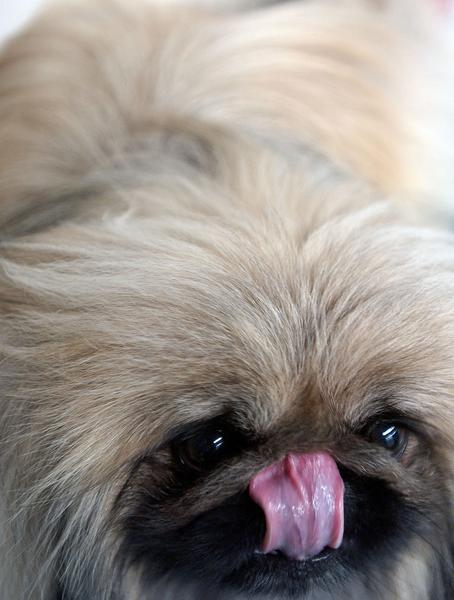
Repetitive licking behavior, known as acral lick dermatitis (ALD), can be painful for your dog and difficult to diagnose and treat. Certain large breeds such as Labradors, German shepherds, Doberman pinschers and Great Danes are more prone to obsessive licking. They will most often lick their paws, although other parts of the body, such as the flank or tail, can also be affected. In the worst cases, constant licking will cause hair loss and create open wounds that will expose the dog to infection.
Causes of Licking
Obsessive licking can be caused by neurological or physical problems, but most often the source of the obsession is anxiety or fear. Dogs who are left alone or crated much of the day are the most likely to be bored and nervous and resort to self-licking or other repetitive behaviors. Consult your vet to make sure the behavior is not caused by a medical problem. A burr that is embedded in a paw, mites, allergies and other physical problems may also cause a dog to obsessively lick.
Possible Treatments
Some dogs may need a behavior modification program to break them of the licking habit. First make sure your dog gets enough exercise and plenty of love to help relieve his stress. Distract him if he begins to lick himself, but don’t yell or punish him, as this creates more anxiety. Spray a taste deterrent on his favorite licking spots throughout your home. Hide treats in toys around the house as a way to keep him busy when you are away. Use a cone collar to prevent licking and further injury. An overly anxious dog may benefit from medication along with behavior modification, so talk to your vet if your dog’s licking won’t stop.
Where To Get Help
If your dog needs additional help, consult an experienced trainer or animal behaviorist. Some clinics, such as the Purdue University Animal Behavior Clinic, will consult with owners to determine the cause of behavior problems and help find solutions. To help diagnose your dog’s issue, experts may take an extensive look at the dog’s background and consider his breeding, personality, exercise routine, diet, humans in the household, medications and how you obtained him.
My Dog Is Having Problems Adjusting to a New Environment

Familiarity
A new home has lots of unfamiliar smells, sights and spaces that can intimidate your pooch. Calm him by immediately unpacking and providing him with his old bed, bowls, toys, blankets, leash and crate. Don’t wash these items prior to giving them to him, so that they smell and feel the same to him. Feed him the same food he was eating in his old home or in the shelter you adopted him from, so that you don’t cause him any stomach upset with a new diet. Abruptly changing Fido’s diet can lead to diarrhea and house soiling issues.
Routine
Canine companions thrive when they have a daily routine to follow, which reduces their anxiety in a new environment. Establish this routine during your pup’s first few days with you or, if possible, keep his feeding, exercise and sleeping times the same as in his old home. You also want to keep the locations of his sleeping spot and food and water dishes the same in his new home as in his old one. For example, if you fed Fido in the kitchen and kept his doggie bed or crate in the living room of your old home, do so in your new one. This keeps his routine consistent, even in a different space.
Positive Reinforcement
If Fido is moping around his new home, having potty accidents or being destructive, avoid punishing him for this behavior, which may make him uncomfortable in his new environment and afraid of you as well. Instead, reward him when he’s behaving in a happy or calm way with attention and treats. Walk him around his new neighborhood, rewarding him with treats along the way and slowly introducing him to the new sights, smells, people and other dogs who live in the area. Establish a new potty spot for him outdoors that you consistently bring him out to several times daily to prevent accidents in the home; reward him when he eliminates outside.
Considerations
Bring Fido to the vet if any behavioral issues develop and last for more than a few days after coming to your home. Your vet can rule out a medical condition for any unusual or destructive behavior. Keep a positive attitude and demeanor around your dog during your move and when setting up your new home. Canine companions pick up on the emotions of their caregivers and may become anxious if they sense you are stressed out. Further diminish his anxiety by using a synthetic dog pheromone spray around your new home to put Fido at ease and get him used to his new environment.
What Problems Do Maltese Have?
Tiny Dogs, Big Mouths
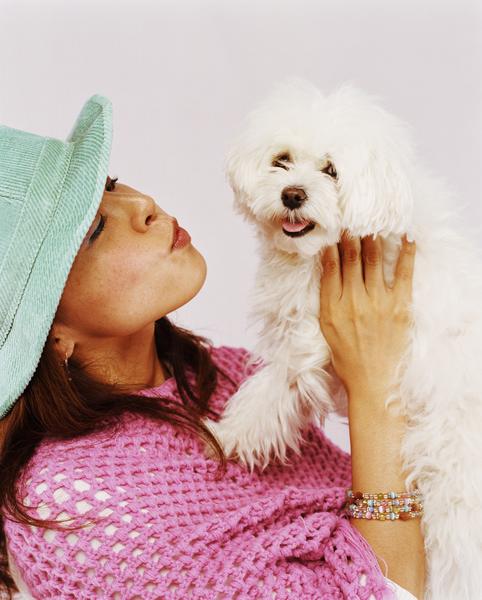
Your little white pup makes a good watchdog. He’ll let you know if anyone comes near your home. On the other hand, Maltese can become problem barkers. That’s especially true if they’re frequently left alone. They were bred as companion dogs and don’t like solitude. You might be unaware that your tiny pal is a nuisance barker until your neighbor complains. Lots of exercise and playtime might alleviate minor barking problems, but for serious issues, contact a dog trainer.
Tiny Dogs, Big Nerves
Although the Maltese is among the smallest of the toy breeds, weighing less than 7 pounds at maturity, he doesn’t realize he’s a little guy. A tiny dog with a lot of nerve can cause a problem when he encounters other canines. Adjectives like “spunky” and “bold” often describe the Maltese personality, but that also means your courageous little dog might have no fear about taking on a more powerful animal. It’s up to you to protect your best friend when he’s in the company of other dogs.
No Small Children
Tiny dogs and tiny kids don’t mix. A Maltese can make a good family dog for older kids who know how to handle him. He’s just too small a dog for young children, who can inadvertently hurt him. That can result in kids being bitten in self-defense. If you occasionally host small visitors, keep them away from the dog or supervise them very carefully.
Maltese Grooming
If you aren’t fond of frequently brushing your dog, choose another breed. While grooming isn’t a Maltese “problem” per se, if it’s not done regularly you’ll have one. Your Maltese requires daily brushing and regular trips to a professional groomer. His hair mats easily, so can quickly become a mess. Matted hair can lead to skin infections.
Health Issues
Maltese aren’t prone to a lot of serious health problems. Among the most common is liver shunt, a genetic disorder found in many small dog breeds. It occurs when a prenatal vein that carries blood for the fetus fails to close after birth. Blood in these dogs bypasses the liver, which has the job of filtering toxins. Special low-protein diets can manage liver shunt in some dogs, while others require surgery to correct the condition. Other health issues affecting the Maltese include luxating patellas, also known as popped kneecaps, periodontal disease and, rarely, a neurological condition known as shaker dog syndrome.
Dog Chewing Problems
Normal Chewing Behaviors
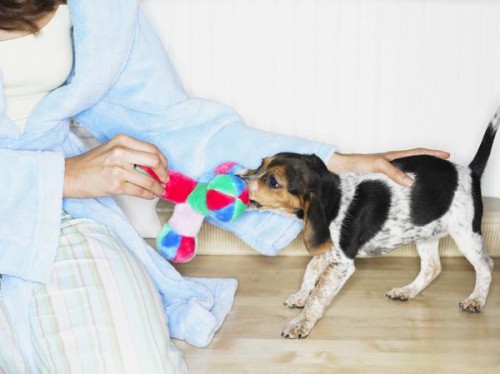
It’s perfectly natural for both adult dogs and puppies to want to chew, sometimes for several hours a day. It helps to keep their teeth clean and plaque-free, and it strengthens their jaw muscles. Puppies use their mouths to explore the world around them — and chewing generally relieves soreness in their gums when they’re teething. Provide a range of chew toys for your canine friends so they can safely and appropriately fulfill their urge to chew.
Destructive Chewing Behaviors
The problem comes when your dog engages in destructive behavior, chewing objects that he shouldn’t be chewing. In an adult dog, this is usually due to anxiety or fear, or is a result of not being taught at an earlier age what he is and isn’t allowed to chew. A common cause of stress chewing is separation anxiety, but it’s also prevalent in dogs who’ve had a traumatic past.
What to Do
If your dog chews due to anxiety or fear, you may have to consult a dog behavior specialist to work through his issues. Training the dog the “leave it” command will teach the dog what to drop or leave alone, and may have some residual effect, but that won’t necessarily guarantee the dog won’t eat your belongings when he’s home alone. Take ownership of your belongings, making sure not to leave anything in reach of your dog that you don’t want to get chewed. You can also leave lots of chew toys around the house for when the urge strikes him, but make sure they’re easy to tell apart from regular household items so he doesn’t get confused. Play toy-based games with him often so he becomes more interested in them and prefers to chew them over other items. Make sure he gets plenty of physical and mental exercise and that he’s not hungry.
What Not to Do
It’s important not to punish your dog verbally after the fact. If you punish him for destroying an item he’s chewed even a couple of minutes ago, he won’t connect what he has done with his punishment. You should never punish your dog physically under any circumstances. Not only is it cruel, it will make him more fearful, which can lead to escalating behavioral issues. If you catch him in the act, a firm “no” or “leave it” will do, assuming the dog knows the command, followed by a treat or praise for dropping the item. You can then redirect his attention to something he is allowed to chew.
Can Prednisone Trigger Problems in Dogs?
Length of Use
The type of side effects or problems caused by prednisone depend greatly on how long your dog takes the medication. When used only for a short time, the side effects generally are limited and temporary. If given over a long period of time, however, prednisone can cause permanent, serious health problems. If your veterinarian is recommending long-term treatment with prednisone, be sure to discuss whether the benefits outweigh the risks. Even though there are some serious potential side effects, for some diseases prednisone is the medication with the lowest risk.
Short-Term Side Effects
When used for short-term treatment, often for severe allergies or skin problems, prednisone can cause excessive thirst and frequent urination. These symptoms should abate as soon as the treatment is over, but in the meanwhile it may be necessary to let your dog outside frequently to prevent accidents. In some dogs prednisone can cause vomiting, diarrhea and lethargy. Contact your veterinarian if your dog has any of these side effects to determine whether to continue treatment.
Diabetes, Cushing’s and Addison’s Disease
Prednisone changes your dog’s body in many ways when taken for long periods of time. For example, high doses can raise your dog’s blood sugar level, eventually leading to diabetes. The constant high levels of corticosteroids can alter your dog’s hormones and metabolism, which can result in either Cushing’s or Addison’s disease. Signs of these illnesses include dry skin, a pot belly, hair loss, oily skin and weight loss.
Suppressed Immune System
Corticosteroids such as prednisone work by suppressing your dog’s immune system. This can stop autoimmune diseases or allergies in their tracks, but it also leaves your dog vulnerable to illness and infection. For example, a small cut that would normally heal without incident can become infected because your dog’s body cannot react to protect him against bacteria in the wound. Keep a close eye on your dog while he is taking prednisone and contact your veterinarian immediately if he shows any sign of infection or illness.
Other Side Effects
Long-term use of prednisone can lead to stomach ulcers, changes in behavior, stunted growth, kidney disease, colitis and fluid retention. Stopping the medication suddenly can lead to serious problems, such as a heart attack. Your dog should be tapered off of prednisone.


|
A New Free Course on Dog Grooming Reveals the Secret Step-by-Step Techniques used by the best Dog Groomers in the country!
Finally, You Can Now Groom your Dog on your own at home without having to hire an expensive groomer! |