

Potty Training for Adult Dogs 5 Months Onwards

Know What to Do
The tricks to properly potty training a dog are to know what you are doing, be patient and invest some time and attention to the process, according to the Pet Place website. It is easier to train a dog that is older than 5 months than a younger puppy because an older dog requires fewer potty times.
Control
The younger the dog, the less control it has, which means that you need to take it out more often. A good rule of thumb is to figure that your dog can hold its urine for one hour longer than its age in months. So, for example, a 5-month-old dog should be able to hold its urine for six hours. If you crate your 5-month-old dog longer than six hours, you are asking for trouble, according to the Pet Place website. If your dog is in the crate too long and has to urinate there, this will create problems later in life because the dog has soiled an area that it instinctively wants to keep clean. You do not want to interfere with this instinct, if possible.
Procedure
To train your dog, take it outside first thing in the morning and encourage it to urinate and defecate. It may be easier to do this while your dog is on a leash so that your dog doesn’t become involved in more interesting activities. Use a word cue, such as “go potty,” “hurry up,” “make,” or whatever word you choose to signify this action. Take your dog to the same area each time because dogs thrive on routines and consistency. Adult dogs can be set in their ways, though, so be patient during this adjustment time.
Schedule
If you took your 5-month-old dog out at 8 a.m., the next time your dog will need to go out will be at 2 p.m. at the latest. You should repeat the same routine in the afternoon that you did in the morning. You will need to take your dog out again at 8 p.m.
The Bathroom and Eating Connection
Another rule of thumb to successfully potty train your older dog is to do it about 10 to 15 minutes after your dog eats. Eating stimulates the reflex to go to the bathroom. Not all dogs need to go in 10 or 15 minutes. You will learn how long it takes your dog over time. After your dog goes to the bathroom, praise it enthusiastically and give your dog a treat.
Plan B
If your dog does not go to the bathroom when you are outside with it, take your dog inside, but keep it with you. If you let your dog run free, it is likely to urinate or defecate in your house. After 15 minutes of watching your dog, take it out again for another try. Repeat this process until you have success.
Problems With Puggles
Heavy Shedding
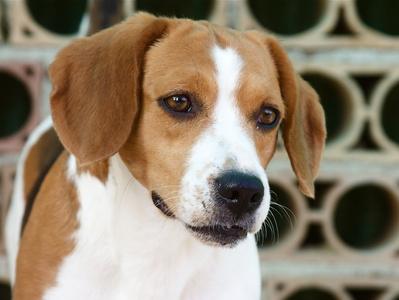
The puggle has a coat that is easy to care for, but it does have thick fur that sheds heavily, especially during the warm months. Weekly brushing is necessary to ensure that all of the loose hair is shed. Though the puggle’s coat is not very long, it is not considered a hypoallergenic dog and is a poor choice for people with allergies.
Sensitive to Climate Change
Puggles are sensitive to climate changes due to their pug ancestry. They cannot tolerate overheating, and when the weather turns chilly they are prone to catching colds. They can also be sensitive to humid climates, and taking them outdoors in extremely hot or cold weather can tire them or cause illness.
Respiratory Problems
The puggle was bred to have a longer muzzle than the pug, and though they do not have the same extreme respiratory issues that fully brachycephalic pugs do, some puggles do have breathing problems. These issues may be limited to snoring or they may reverse-sneeze or wheeze after they have exerted themselves. Due to their beagle lineage they are extremely energetic, and they may want to play more than is good for them, which can exacerbate their breathing problems. Nostril enlargement and palate trimming surgery can work wonders for brachycephalic dogs like pugs and puggles.
Barking
Unless they are well-trained, puggles can be loud dogs. They are alert and will tend to bark to announce strangers or visitors to the home, though their friendliness prevents them from being good guard dogs. Some puggles may also howl, a trait that is common in beagles. Early training is essential to make sure that a puggle does not turn into a noisy nuisance.
Skin Infections
Some puggles, especially the ones that have more wrinkles in their face, are prone to skin infections. While a puggle’s muzzle is not as short and wrinkled as the muzzle of a pug, the wrinkles in its face still need to be cleaned on a regular basis. Dirt and debris can get caught in the wrinkles, which will abrade the skin and sometimes develop into a fungal and/or bacterial infection. Skin infections can be avoided by cleaning the wrinkles with a damp cloth once a day. You can use a gentle liquid cleaning and drying agent specially for this purpose.


|
A New Free Course on Dog Grooming Reveals the Secret Step-by-Step Techniques used by the best Dog Groomers in the country!
Finally, You Can Now Groom your Dog on your own at home without having to hire an expensive groomer! |