

Health Issues in a Silky Terrier

Eye Diseases
Silky terriers are prone to certain eye disorders, including progressive retinal atrophy (PRA) and cataracts. PRA develops gradually, but eventually results in total blindness. Early signs include inability to see in weak light, characterized by walking into objects and unwillingness to go outdoors at night. Eventually, the eyes develop cataracts, or opaque white areas around the pupil. Silky terriers can also develop cataracts without PRA. There is no treatment for PRA, but most dogs adjust to their loss of vision, with help of dedicated owners. Dogs suffering only from cataracts can have them surgically removed.
Silky Terrier Endocrine Diseases
Hypothyroidism, or insufficient amounts of thyroid hormone, can affect silky terriers. Symptoms include weight gain although the dog isn’t eating more food, behavioral changes, hair loss and dull coat and skin infections. The lively silky terrier becomes lethargic. Fortunately, your vet can prescribe daily thyroid medication to restore your silky terrier to health. Another endocrine disorder, Cushing’s disease, or hyperadrenocorticism, also occurs in older silkies. In this condition, the dog’s adrenal glands produce excess cortisol. Symptoms of Cushing’s disease resemble those of hypothyroidism, along with excessive eating and drinking. Your vet can prescribe medication for disease control.
Orthopedic Issues
Leggs-Calve-Perthes disease, a common hereditary orthopedic condition in small breed dogs, often occurs in the silky terrier. Initial signs consist of rear leg lameness in a young animal. With this condition, the blood supply to the femur’s head is inadequate, leading to its necrosis. Treatment consists of surgery to remove the “dead head.” Patellar luxation, or dislocated kneecaps, frequently affect small breeds and the silky terrier is no exception. Most dogs require surgery to correct the dislocation.
Silky Terrier Epilepsy
Some silkies might suffer from epilepsy, a neurological disorder resulting in seizures. Such episodes are terrible to watch, as affected dogs lose balance and fall over, often with legs flailing, body shaking and teeth biting at the air. Most seizures last just a minute or so, with those in excess of five minutes often causing some permanent damage. Depending on the frequency of the seizures, your vet might prescribe phenobarbital or potassium bromide for prevention and control.
French Bulldog Health Problems
Basics
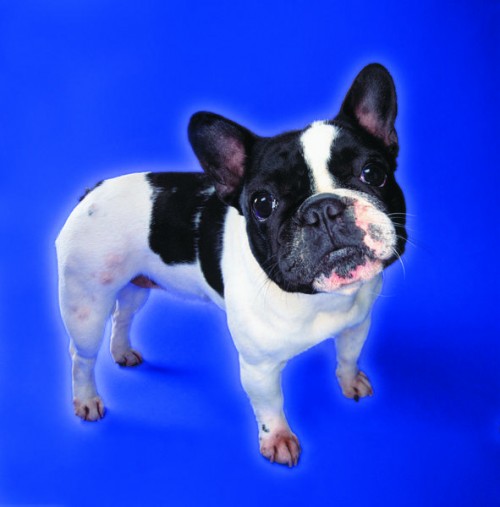
French bulldogs appear in colors including white, pale yellowish-brown and brindle, the latter of which involves a blend of colors such as brownish-orange and gray. As adults, these dense, sturdy pooches typically reach between 11 and 13 inches tall. They usually weigh no more than 28 pounds. One of the most prominent physical characteristics of French bulldogs involves their ears, which point straight up and are similar to those of bats. This smart, amiable and funny dog keeps a close vigil on his home.
Brachycephalic Syndrome
As with pugs and a handful of other doggie breeds, French bulldogs are brachycephalic, with skulls that are markedly wide and short. Their faces have a conspicuously flattened appearance to them. Although the look undeniably is cute, it also can trigger health issues that revolve around breathing, problems that can become life threatening. Some common indications of brachycephalic syndrome are excessively loud breathing, coughing, hacking and snoring. All of these signs are usually particularly noticeable during times of excessive heat. Inordinate discomfort in heat is typical of dogs with brachycephalic syndrome. Take your sweet Frenchie to the veterinarian immediately if he shows any signs of this condition.
Intervertebral Disk Disease
Intervertebral disk disease is relatively prevalent in the French bulldog breed. This orthopedic condition results from the deterioration of the spinal column’s dense intervertebral disks. Some of the signs that are typical of this disorder are backache, rigidness of the body, scooting of the hind limbs during walking, difficulty standing up, general feebleness, crouching over, shivering and soreness of the stomach. Paralysis is a possibility for some dogs with the condition. If you have any reason to think that your precious pet might be dealing with intervertebral disk disease, schedule a veterinarian appointment as soon as possible.
Canine Hip Dysplasia
Canine hip dysplasia is another problem for many French bulldogs. The skeletal condition involves the atypical growth and progress of the hip joints. Signs of the condition pop up early in dogs, starting as early as at 4 months. Lack of body coordination is a common sign of the disorder. Other symptoms of canine hip dysplasia are rigidness, avoidance of physical activity and hobbling. Note, however, that many dogs with the condition barely display any hints at all. Regardless, veterinary attention is a must for any pooches with hip dysplasia.
Other Conditions
Other medical issues that also sometimes affect French bulldogs are luxating patellas, cataracts and entropion. The latter entails the eyelids turning in an “inside” direction. If your dog shows any sign of abnormalities or malaise, a vet appointment should be your next step. Dogs don’t always display obvious signs of illness, though, which is why it’s so crucial to routinely bring your pet in for regular veterinary checkups. With the right love and care, French bulldogs can often survive healthily and contentedly for anywhere between 10 and 14 years, or perhaps longer.
What Health Conditions are English Spaniels Prone to?

Eye Conditions
English spaniels are prone to progressive retinal atrophy, a type of inherited degenerative condition that can result in diminished vision or blindness. While it primarily impacts middle-aged dogs, even dogs as young as 2 years old can develop the disorder. According to the English Springer Spaniel Club, this breed also may develop glaucoma in one or both eyes. Depending on the severity of the condition, the dog can lose its eyesight or even lose an eye as a result. Cataracts and retinal dysplasia also can develop in this breed. Regular eye exams can help identify potential problems and address them early to reduce the potential for pain and vision loss.
Inherited Diseases
Canine fucosidosis is an inherited disease of the nervous system that can be fatal if not identified and treated quickly. The English Springer Spaniel Club indicates this disease is most commonly found in young dogs and includes symptoms such as loss of coordination, problems with vision and hearing and digestive issues. The condition is caused by the missing enzyme alpha-L-fucosidase. Genetic testing is available to determine if your pup has the potential for this disorder.
Hip Dysplasia
English spaniels may be subject to the joint condition hip dysplasia. Symptoms include lameness in hind legs, a tendency to be slow to stand or hopping when running or walking. Hip dysplasia, left undiagnosed and untreated, can lead to a painful arthritic condition and severely limit movement. According to the Baker Institute of Animal Health, your vet can identify the disease through X-rays. The symptoms of the disorder can be minimized through pain relief and treatment with joint-lubricating supplements.
Epileptic Symptoms
Epilepsy can occur in English spaniels. Dogs of this breed who contract the disorder usually exhibit symptoms in the first three years of life. According to the English Springer Spaniel Field Trial Association, the condition is characterized by repeated seizures and often is confused with other neurological and health conditions. English spaniels also are prone to canine autoimmune disease, which can exacerbate various forms of epilepsy, so proper diagnosis is essential to effective treatment.
Is One Piece of Chocolate Detrimental to a Dog’s Health?

Theobromine and Chocolate
The poisonous factor in chocolate is its theobromine, which is a type of methylxanthine. To humans, theobromine produces subtle stimulating responses. Those responses, however, are markedly more intense in dogs. Tiny portions of theobromine from chocolate can be hazardous to pooches, often leading to throwing up, unusually antsy behavior, panting, loose stools, quivering and problems with heart rhythms. In severe situations, significant consumption of chocolate can even bring upon seizures and comas in dogs. Some dogs can pass away from it, too. This is why it’s so important to never give your pet chocolate. It’s also important to make sure he never gets it on his own, whether by going through your kitchen cabinet or exploring the contents of your trashcan.
Kinds of Chocolate and Toxicity
“One piece” of chocolate can mean many different things. Different kinds of chocolate contain varying amounts of theobromine, for one. Not all single pieces of chocolate are the same size, either. Darker chocolate, in general, has more theobromine and is therefore more hazardous to dogs. Baking chocolate and good dark chocolate often have 130 to 450 milligrams for every single ounce. Milk chocolate, on the other hand, generally has markedly less, with a typical 44 to 58 milligrams for every ounce. Lastly, white chocolate has the least theobromine, as it typically has just 0.25 mg for every ounce. Since there’s absolutely no reason for your dog to have chocolate in his diet, the smartest thing you can do is make sure he never even has the slightest taste of it. If it’s large enough, one piece of chocolate can indeed be detrimental to your dog’s health, especially if it’s dark.
Chocolate Size and Toxicity
A single “piece” of chocolate can sometimes be as big as 8 ounces. If your curious mid-sized dog gets his paws on a giant milk chocolate bar of 8 ounces and eats it, it might be enough to bring upon toxic effects in him, indicates veterinarians Justine A. Lee and Ernest Ward on VCA Animal Hospitals’ website. This applies to dogs who weigh around 50 pounds. If your pooch is smaller than that, he could experience toxicity with a more minimal amount. Baker’s chocolate is even more hazardous. A mere single ounce of baker’s chocolate can be dangerous to mid-sized canines. Remember, single squares of baker’s chocolate often are 1 ounce. If you ever see your dog eating any type of chocolate, get immediate veterinary assistance for him, no matter the amount. Seek veterinary care even if you don’t notice any symptoms.
Ban Chocolate in General
White chocolate is less toxic to dogs than darker kinds, but it’s still nowhere near safe for your furry buddy. Paler chocolates are fatty, and as a result can bring upon diarrhea and throwing up in dogs. Fatty foods can also make dogs more vulnerable to pancreatitis, which is a potentially deadly disorder that involves the pancreas swelling. Keep all chocolates out of your pet’s mouth, period. Never feed your dog any human food unless your veterinarian tells you that it’s safe.
How Does Pregnancy Affect Canine Health?

Feeding
The mother dog is eating for more than eating for two. She might be eating for six or more. The American Kennel Club recommends feeding a high-quality diet consisting of at least 29 percent protein and 17 percent fat — a diet for puppies or high-energy dogs. Start feeding her such ration as soon as she becomes pregnant, no more than normal. After her gestation’s first month, gradually increase her food intake, up to 25 percent extra daily by the time she’s ready to give birth. As she gestates, offer her several small meals throughout the day rather than one or two large feedings.
Exercise
Unless your dog participates in strenuous physical exercise, she can maintain her normal routine for the first month of her pregnancy. Taking regular walks helps maintain her muscle tone. By the sixth week of pregnancy, she’ll have gained considerable weight and her mammary glands will have gotten bigger. By that point, she should take it relatively easy. Short, easy walks in good weather are fine, but don’t let her do anything to potentially cause overexertion.
Considerations
Because anything she consumes can affect the puppies, don’t give your dog any supplements or over-the-counter medications without checking with your vet. Keep your home as quiet and stress-free as possible. This is not the time to do major home renovation or anything disrupting normal routine, such as adding another dog to the household. Make sure your dog has a private area of her own where she can rest, away from other pets or children.
Vaccination
Ideally, your dog is up-to-date on vaccinations before breeding. In most cases, it’s not a good idea to vaccinate a pregnant dog, as it could harm the fetuses. If a pregnant dog is in a high-stress environment — such as a shelter — with an unknown vaccination history, the risk of coming down with a serious disease might outweigh potential fetal damage. That’s especially true in the case of distemper or parvovirus.
Health Care Costs for Dogs

The First Year
The first year of your dog’s life, be prepared to incur hundreds of dollars in veterinary costs. Puppies must receive a series of vaccination booster injections to achieve protective immunity. Initial puppy care also includes deworming treatments for intestinal parasites and followup fecal analyses to confirm that the dewormers eliminated them. If your puppy comes from a shelter, spaying or neutering likely has been performed. Otherwise, the expense of this necessary procedure will be your responsibility.
The Unpredictable Years
In the years that follow, expect to pay for a yearly checkup, which may include heartworm screening, vaccination boosters and a fecal analysis, and expect the unexpected. Your dog can require medical attention at any time, and the cost is unpredictable. You may deal with a simple ear infection one year, a costly orthopedic surgery the next and a dental cleaning procedure the year after that. Do your homework before selecting a particular breed, as some dogs are more prone to certain conditions, such as ear infections, dental disease, allergies or hip dysplasia.
Expenses of His Golden Years
The average age when dogs are considered seniors is 7 years though that varies based on breed. As his body wears over time, his chances increase for developing costly medical conditions. The American Animal Hospital Association recommends that senior pets receive blood panel screenings every six months to catch looming illnesses early. Some of the common senior dog illnesses include cancer, kidney disease, diabetes and Cushing’s disease. Added health care costs to treat or manage these conditions include chemotherapy, medications, diagnostic tests for monitoring the disease’s progress and prescription diets.
An Ounce of Prevention
Preventative products, including heartworm preventatives and flea and tick control products, are a lifelong expense. Do not gamble with your dog’s health by cutting corners on these products. The consequence could be more costly in the long run. Ticks transmit Lyme disease, Rocky Mountain spotted fever, ehrlichiosis and babesiosis, all of which require treatment. Fleas can make your dog miserable, especially if he suffers from flea allergy dermatitis. Heartworm prevention is safer for your dog and far less expensive than the treatment for heartworm disease.
The Bottom Line
Once the cost of food, toys, treats, dog licensing fees, obedience training, grooming services, boarding or pet sitting, dishes, collars and leashes are added to the above veterinary care, the cost to own a dog for a 14-year life span can average well more than $18,000. Veterinary care makes up at least one-third of this figure, and that figure may be lower in rural locales, or it can be double the cost in metropolitan areas. The size, breed and overall health status of your canine companion throughout his life also will influence the bottom line.
Plan Ahead
Before taking on the financial responsibility of owning a dog, consider how you will pay for these expenses. Some options include maintaining a savings account for your dog’s health care expenditures, keeping a credit card solely for veterinary use or applying for a medical payment card. Many pet owners are turning to pet health insurance to cover some of the veterinary costs. When considering a pet insurance plan, be sure to read the fine print and have a complete understanding of how the policy works and exactly what is covered. And remember, a trip to the emergency vet hospital costs double or more than a regular visit to your vet.
Boxer Puppies and Health Issues

Bloat
Boxer puppies are prone to bloat because they possess an insatiable appetite coupled with a conformation conducive to bloat — deep chests and narrow waists. Boxer puppies or adults that bolt their food can develop bloat, also known as stomach torsion or gastric-dilatation volvulus. Gas pressure accumulates in the stomach and expands the stomach to dangerous degrees. The stomach presses on other organs and can shut off blood supply to the stomach and heart. Bloat is a medical emergency. Symptoms include abdominal swelling, dry heaves, drooling and panting suddenly due to pain.
Heat Stroke
Boxers possess a very short nose or a brachycephalic face. Although this makes a boxer cute, the shape of the nose can lead to serious health issues, most notably heat stroke. Dogs regulate their body temperature through panting, not sweating. The tissues inside of a dog’s nose help cool inhaled air. But brachycephalic noses like boxers work inefficiently because they lack enough of this tissue. Boxer puppies play vigorously, even during hot and humid weather. They may play until they collapse with heat stroke. Heat stroke can be fatal. Symptoms of heat stroke include panting rapidly, struggling for breath, bright red gums and loss of coordination.
Hip Dysplasia
The American Boxer Club states that hip dysplasia is the leading cause for lameness in boxers and that 11.3 percent of boxers develop dysplasia. Hip dysplasia, mostly seen in puppies, is a genetic disease that causes malformations of the hip sockets. The head of the femoral leg bone rolls loosely in the socket, causing pain, lameness and arthritis. Puppies begin to show signs of lameness and sitting awkwardly when they are from 6 to 18 months old, according to Mar Vista Animal Medical Center. Hip dysplasia is treatable, often through surgery.
Cardiomyopathy
Sometimes known as boxer cardiomyopathy or arrythmogenic right ventricular cardiomyopathy, this is a genetic heart problem that can cause sudden death from congestive heart failure in boxers of all ages. Boxers with this condition may suddenly faint or go into a seizure. Boxer cardiomyopathy is treatable with medication.


|
A New Free Course on Dog Grooming Reveals the Secret Step-by-Step Techniques used by the best Dog Groomers in the country!
Finally, You Can Now Groom your Dog on your own at home without having to hire an expensive groomer! |