

Adoption Requirements for Dogs

General Adoption Requirements
For most people adopting a dog, the process is pretty straightforward. There are several things modern adoption centers and shelters need to learn from you, much of which will be covered in the adoption application. Unless there are special issues to address, most applications ask the same questions. You will be required to either own your own home or, if you rent, produce proof you are allowed to have a pet. You will be asked about previous pet-owning experience, and in some cases you will need to be an experienced dog owner. Many shelters require you have a back yard, but this requirement can be waived if the shelter personnel feel it’s appropriate. Many shelters require you supply contact information for a veterinarian or others who can attest to your suitability to have a dog. Finally, the dog must be for you, not a “surprise” or gift for another, and your spouse, if applicable, must join in the adoption process.
Special Situations: The Dog
In some situations, adoption requirements become a little more stringent. This is particularly true when adopting a breed of dog that requires a lot of exercise. In such cases, you will almost definitely be required to have a fenced-in backyard. If adopting a puppy, many shelters will require you to enroll the pup in a training class; many shelters offer them for free for adopters. Many times, well-meaning folks will adopt a puppy, neglect to teach him basic obedience and manners, and then, when he’s fully grown into an unmanageable adult dog, return him to the shelter, where his chances of being re-adopted are slim. Even if the problem was not his fault, it looks bad on his record to have been returned.
Regulations
Oh yes, those dreaded regulations. There are certain dog breeds for which owners pay dearly when it comes to insurance premiums and homeowner fees. Some homeowner’s associations ban breeds they deem “dangerous,” never taking into account that dogs have unique personalities. Even if you own your home, you may be required to show proof that your homeowner’s association has not passed limitations on the size or breed of dog you may have.
Your homeowner’s insurance company may also have something to say about the breed you choose. If you are considering a pit bull, Rottweiler or mastiff, for instance, you should look into your insurance policy to be sure there are no problems down the road. There have been cases of dogs such as greyhounds and German shepherds being disallowed by insurance policies, so check carefully.
If you rent and are allowed to have pets, be sure you can pay any necessary pet deposits, and don’t select a dog that exceeds the weight limit.
Your Situation
Shelter personnel and rescue groups get to know the dogs in their care very well and are in the best position to gauge whether the dog you have chosen is the right dog for your situation. For example, a nervous little dog who may be a fear-biter is not the best choice for a family with small children. Certain breeds, such as terriers, are usually not adopted to people with cats or pocket pets because of their natural prey drive. An elderly person is not a good match for a strong, 80-pound, adolescent pit bull.
There may also be requirements as to your lifestyle. If you prefer to read a good book while curled up by the fire, an active breed will be miserable with you; get an older, smaller lap dog instead. Don’t take it personally if shelter personnel feel you don’t have the requirements needed to adopt a certain dog; their first priority should always be the dog’s best interest.
Spray Bottles for Dog Training
Pros of the Spray Bottle
You can keep bottles all over your home so you always have one ready if Bubba misbehaves. Water is harmless — you’re not being mean, just distracting your buddy from doing something he shouldn’t. Some dogs become so fearful of it that they’ll take the long way around the room if they see the bottle on the table — you might not even need to use it.
The Downside
Your pal may become terrified of water. He’ll have no problem drinking it, but when it comes to bath time, forget it. Water is scary, so when you try to lure him to the tub, he may growl or snap. If Bubba seems terrified of the spray bottle, it probably isn’t an ideal tool for your situation. On the other hand, some pups couldn’t care less about the water and make it a game by trying to catch the stream in their mouths.
Training Tips
The trick to making the spray bottle effective is to not make a big fuss. It’s not meant to be mean or a way to tease your dog. If you see bad behavior, grab the bottle, give him a squirt and put it back down — ideally he shouldn’t see you pulling that trigger. Then toss him a toy to chew on and pat him on the head to enforce the desired behavior.
Cheese Pleaser Dog Treats Recipe
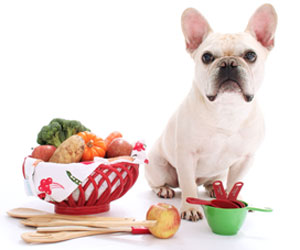
Whether you make all of your dog’s food or just want to give your dog a special culinary surprise, this cheesy Pooch Munchies recipe, from the Three Dog Bakery, is sure to have your dog begging for more.
Get the whole family involved for this quick and easy dog recipe.
Prep Time: 15 min
Bake Time: 12 min
Ingredients:
3 cups whole wheat flour
1 teaspoon garlic salt (do not use fresh garlic)
1/2 cup soft bacon fat
1 cup shredded cheese
1 egg, beaten slightly
1 cup milk
Baking Instructions:
Preheat oven to 400 ºF.
Place flour and garlic salt in a large bowl. Stir in bacon fat. Add cheese and egg.
Gradually add enough milk to form a dough.
Knead dough and roll out 1-inch thick.
Use a dog bone-shaped cookie cutter to cut out dough. (Don’t have a cookie cutter? Use an upside down glass to cut out round cookies)
Place dog bones on a greased cookie sheet and bake about 12 minutes or until they start to brown.
Cool and serve.
Inspection Tips for Adopting a Dog
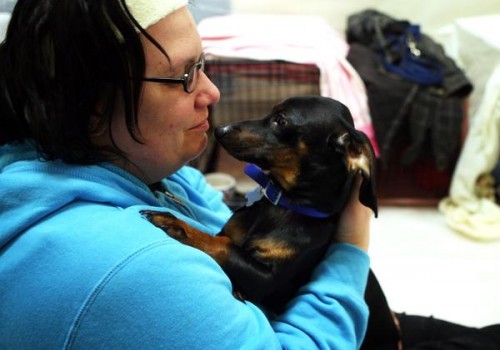
If you’re looking for inspection tips before adopting a dog, you’re ahead of the game. Many folks purchase pups right off the Internet, site unseen. This is a bad idea because Internet breeders can be worse than puppy mill breeders; Internet breeders don’t need to be regulated. It’s always best to inspect a dog before you adopt so you’ll know exactly what you’re getting. After all, you’ll probably have this pup for the next 10 to 15 years. Have a question? Get an answer from a Vet now!
Pre-visit Work
Before visiting a shelter or rescue, check it out online, recommends trainer Sue Sternberg on Petfinder. If the dog descriptions all sound similar, such as “sweet, friendly and loving,” that could be a red flag, which signals a shelter doesn’t know its animals well or, worse, doesn’t want to say what the real personalities might be. Avoid such shelters. A good shelter will allow you to return a dog any time, will let you take the dog on a walk and can tell you about the dog’s temperament. It’s common to travel up to three hours from home to find a good shelter or rescue.
Sociability
Look for a social dog above all else; you’ll likely have the most success transitioning a social dog to your home. A social dog likes to be near you. He’s friendly, affectionate and bonds easily with people. You’ll probably have lots of fun with a social dog.
Determine Whether a Dog is Sociable
Approach a dog that strikes your fancy, and put your hand on his kennel. The dog should walk over to sniff it. Say, “Good dog!” Move your hand slowly across the kennel. A social dog should follow it. Bad reactions include dogs who slink or cower at your approach or who aggressively bark or lunge at you. Don’t choose a dog just because you feel sorry for it — you can’t rescue every dog there. Your job is to find the best dog for you.
Walk the Dog
When you find a social dog you like, ask to walk him. Once you are away from the commotion of the shelter, find a quiet place and sit down. The dog should come to you to seek your attention. If he does, slowly pet his back or scratch his chest. He should enjoy this. If he moves away or shows aggression, keep looking. He also should not mouth you, even in a playful way, because that behavior can lead to biting.
Children, Lifestyle, Other Dogs
If you have a small child or another dog, introduce them to the dog you’re considering. Your potential dog should want to greet your child. To determine whether both dogs will get along, take them for a walk together. The dog you adopt should also fit with your lifestyle. If you’re a high-energy person who loves to play, jog or walk daily, a high-energy dog is a good fit. If you want a quiet dog who is content to live in an apartment, choose a dog who isn’t as active. When you have a different energy level from your dog, you’ll both be frustrated, according to Cesar Millan on his website, Cesar’sWay.
7 Must-Have Tips for a Dog-Friendly BBQ
National Grilling Month kicks off on July 1, and odds are you’re making plans to host some cookouts. But before your next party, make sure you are giving extra consideration to your four-legged friend.
“It’s easy for dogs to quickly access food and other items that could be dangerous to them,” says Kiko Bracker, D.V.M., director of emergency and critical care at Angell Animal Medical Center in Boston. For instance, Bracker recalls a dog who needed emergency surgery after he ingested enough gravel to fill his stomach. Gravel alone may not be appealing, but drippings from the grill had splashed onto the rocks, tempting the dog. The hospital also receives numerous cases every summer of dogs who consume corncob holders and barbecue skewers.

1. Consider your Menu.
Because skewers pose a threat, Bracker recommends not using them. Be aware, too, that bones and corncobs can be life-threatening. “If they’re not digested, they can pass through to the small intestines, resulting in small bowel obstruction, which can become fatal without emergency veterinary care,” he says. If you do serve these items, place corncobs and bones in a garbage can that’s out of a dog’s reach. Peach pits, foil, plastic wrap, and cotton string used to bind roasts can also cause issues, so keep them away from your dog. If you want to treat your dog to a piece of meat, make sure it doesn’t contain bones and isn’t so hot that it burns your dog’s mouth.
2. Dog-Friendly Foods.
There are plenty of dog-friendly fruits and vegetables your dog can enjoy right along with you. Make sure you prepare them in a manner that is safe for your dog and make sure to feed in moderation.
3. Hot Off the Grill.
Although most dogs are smart enough to avoid an open fire, they can still get into issues with the grill, especially if it falls over and injures them, Bracker says. Their leashes, for example, may get tangled in a grill’s legs, knocking it over. Be aware that this could happen and take steps to prevent it, by securing the grill, limiting your dog’s access to it, and removing leashes or other items that might become entangled in the grill.
4. Scan the Perimeter.
In your own home, you have probably already done this, but if you are going somewhere new or heading to a park for a BBQ, check that poisonous or harmful plants and gardening supplies are out of your dog’s reach, including fertilizer, rat poison, and plant food.
5. Heat Check.
Because dogs can’t cool down as quickly as people, heat can be problematic. The rule of thumb? “When it’s too hot for us, it’s too hot for our dogs,” Bracker says. If it’s safe for your dog to be outside, provide fresh water and shelter in the shade. Otherwise, keep your dog inside and allow access to an air-conditioned room.
6. Set Some Ground Rules.
Finally, if you’re at home ask your guests to help keep your dog safe. If your dog is inside your home, remind guests to close doors behind them or watch that your dog doesn’t escape when opening yard gates.
7. Have fun!
Break out the ball or throw a Frisbee and have a doggone great time!
Caring for Your Pup’s Paws in the Winter
Winter can be a tough time for a dog’s paws. Prevent weather-related paw pad injuries by following some basic tips and the use of products designed for paw protection.
Preventing Paw Pad Injuries
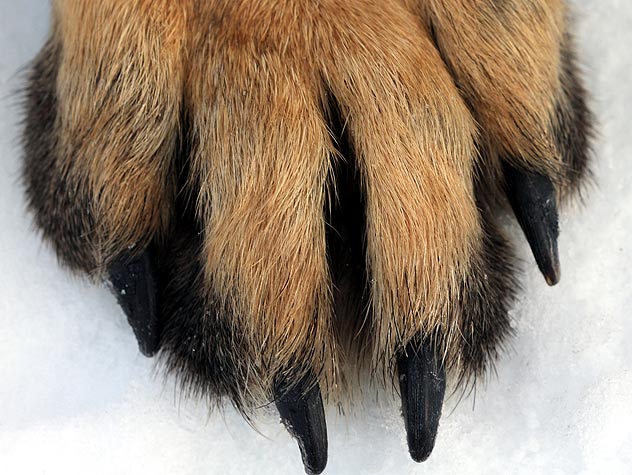
Another threat from deicers is ingestion. Dogs may lick their paws or your boots and ingest deicing salts. To prevent your dog from ingesting deicing salts, keep a shallow bowl of warm water and a cloth near the entryway to your home so that you can wipe your boots and your dog’s paws when coming back inside.
Another common cause of sore paws during the cold winter months are the ice balls which form between the pads and toes of hairy-footed dog. To reduce the risk of ice balls, keep inter-pad hair trimmed neatly and short during the winter months. Not only can hairy feet contribute to the development of ice balls on the feet, paw hair can retain a lot of those nasty deicing salts. If your dog has hairy feet, trim them throughout the winter.
Dogs left in the cold for long periods of times are also at risk for frostbite on paws and hypothermia. It is not advised that dogs spend hours in the cold. In winter, frequent short walks are better for your dog than a single long walk
Bag Balm, a product available at nearly every pharmacy, applied in a thin layer daily or every other day should help keep your dog’s paws from cracking and bleeding. Keeping a humidifier in the house should also prevent dry, itchy skin for both you and your pet.
Products For Protecting Dog Paws
There are many products designed to protect dog paw pads during the winter month, from pet safe deicing products to protective waxes and dog booties. Safe Paw is a common pet-friendly deicer, but sand, small stones, and kitty litter (non-clumping) are also options for deicing while protecting your dog’s pads from injury and chemical burns. Musher’s Secret is one of the most popular paw waxes. Paw wax is applied to the pads of the feet before a walk, forming a protective barrier between the paw and the salty sidewalk or pavement. Paw wax will wear away after extended exercise, and should be reapplied before each walk.
The best protection for your dog’s paws and pads are dog booties. Just as wearing boots in the winter protects your pads, dog booties will prevent injury to your dog’s feet. Dog boots can protect your dog’s paws from salt, ice balls, and cutting his pads on sharp items that may be hidden under the snow or sharp ice. Proper sizing of dog booties is especially important in ensuring that the booties are comfortable for your dog to wear and maximize paw protection.
Dog booties may look silly, but really are the ultimate protection for your dog. Human snowsuits look silly also, but are they not the best for keeping sledding kids warm? Just as your kid may not want to wear a snowsuit, your dog may not initially like wearing booties. With a little time and patience, you can train your dog to love wearing his dog boots!
Dog Breeds Prone to Lenticular Sclerosis
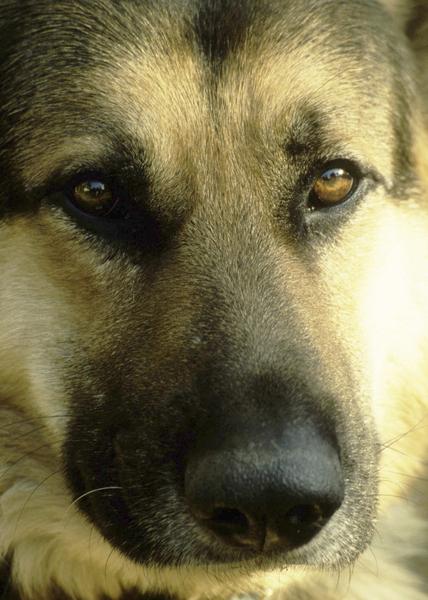
Eye Problems
Two common canine eye problems are lenticular sclerosis and senile cataracts, both of which create a haze over the lens. Lenticular (nuclear) sclerosis, a type of cataract, is a bluish film that usually develops in both lenses of middle-age or senior dogs; it does not affect vision dramatically. Senile cataracts, however, are a whitish, opaque film directly affecting a dog’s retinas and vision. Most elderly dogs eventually develop one or both types of problems.
Breeds Susceptible
According to vet and behaviorist Dr. Ron Hines, some dogs get cataracts sooner than others. Among the larger breeds are cocker spaniels, German shepherds, golden retrievers, Labrador retrievers, Afghans, Chesapeake Bay retrievers, Old Eglish sheepdogs, huskies, and springer spaniels. Smaller dogs, such as Westies, poodles and schnauzers, get cataracts more frequently than other breeds. However, most dogs eventually get cataracts, especially the lenticular sclerosis type, as they age, starting at about age 6.
Other Causes
Although the cause is unknown, some dog breeds have inherited predisposition to cataract development, including lenticular sclerosis, at birth. According to Dr. Hines, typical breeds include fox terriers, bichon frises, cocker spaniels, Afghans, Boston terriers, standard poodles, miniature schnauzers, Westies and malamutes. Other contributing factors are eye injuries, eye inflammation, bad nutrition due to deficiencies in certain vitamins and minerals, and diabetes due to uncontrolled high blood sugar.
Treatment
Although you may think a dog with lenticular sclerosis is suffering, he’s not. No treatment is necessary. Most dogs adapt well to the condition and lead normal lives, with fairly good vision. However, you should have a veterinarian examine your dog and then have the vet periodically monitor for development of senile cataracts, which can, but may not, develop later. If your dog does develop full-fledged cataracts, they can be surgically corrected.


|
A New Free Course on Dog Grooming Reveals the Secret Step-by-Step Techniques used by the best Dog Groomers in the country!
Finally, You Can Now Groom your Dog on your own at home without having to hire an expensive groomer! |