

Blue Heeler Health Issues
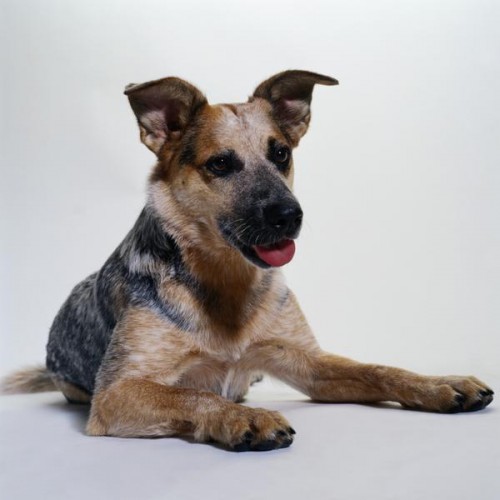
Blue Heeler Basics
Blue heelers have been around since the end of the 19th century, when they were bred to work alongside cattle. Not only are blue heelers renowned for their diligence, they’re also frequently considered to be loving family dogs. Their thick and short fur is either blue or red, and “red heeler” is another common handle for the breed. Blue heelers who have caring and attentive caretakers can have content and thriving lives of 10 to 13 years. Blue heelers are vulnerable to a handful of medical conditions.
Progressive Retinal Atrophy
Progressive retinal atrophy is an eye condition that frequently appears in blue heelers. This ailment involves retinal deterioration and the vision detriment that follows it. If your blue heeler is dealing with this disease, you might notice symptoms including difficulty seeing at night, widened pupils and the emergence of cataracts. Dogs with this issue do not experience pain. Progressive retinal atrophy works slowly to bring upon full vision loss in canines.
Canine Hip Dysplasia
Blue heelers are susceptible to canine hip dysplasia, a disorder caused by irregularities with hip joint growth. With dysplasia, hip joints aren’t fixed in place, and discomfort results. If your blue heeler has canine hip dysplasia, he might hobble a lot and exhibit a strong aversion to physical activity. His body might always be rigid and tense, particularly at morning.
Deafness
Deafness occurs in many blue heelers. Some blue heelers who develop hearing difficulties can’t hear at all; others can to a degree. If your blue heeler has congenital hearing problems, he might make it apparent to you in a variety of ways. If, for instance, your pooch never seems to be aware that you’re nearby prior to your establishing physical contact with him, it could mean he never hears you approaching him. Other common indications of deafness in canines are inordinate barking, lack of reaction to random noises and trembling of the ears.
Other Health Issues
Other health issues that blue heelers are prone to are the blood vessel irregularity of liver shunts, the foggy eye lens condition of cataracts, the eye difficulties of persistent pupillary membranes and the blood disorder von Willebrand’s disease. Since symptoms for any diseases to which blue heelers are prone might not always be 100 percent clear or obvious, regular veterinary appointments are a must. The sooner you confirm the presence of a medical situation in your pooch, inherited or otherwise, the sooner you can get him the proper veterinary management he needs.
The Effect of Salt on a Dog’s Health

Sodium
Many people think of salt and automatically think of sodium, although the two are not exactly one and the same. Sodium is just one part of salt, as it also includes chloride. The bulk of commercial canine foods available on the market contain some salt. Talk to your veterinarian to get suggestions on dog foods that have appropriate levels of sodium. At suitable levels, sodium actually is helpful in dogs’ physiology, assisting in equilibrium of fluids.
Say No to Dogs and Salty Food
Too much salty food and dogs are not a good combination, however. If your dog enviously stares at you as you eat a salty French fry, don’t give in to the urge to feed him a bunch of them — or even one of them. If your dog takes in a lot of salt, it could trigger numerous not-so-pleasant health consequences, including immoderate urination, seizures, heightened thirst, uncontrollable quivering, depression, throwing up, runny stools and raised body temperature. Sodium ion toxicity in dogs can sometimes even be life-threatening, so take the possibility extremely seriously. Urgent veterinary assistance is crucial in these situations.
Dogs With Kidney or Heart Issues
The effects of salt might be even more harmful to specific types of dogs. If your pet has any medical ailments that involve the kidneys or the heart, then a veterinarian might recommend for him a diet that is limited in salt content. This also applies to canines with hypertension. Be extremely cautious about leaving salty food out around your dog, whether he has these health issues or not.
Inadequate Sodium
Just as too much sodium can be detrimental to a dog’s health, so can too little of it. If your pooch isn’t getting adequate amounts of sodium in his canine food, you might notice key symptoms such as lethargy, overly dry skin, growth problems, balance issues, fur loss, reduced H20 consumption and low energy. If you spot any of those clues in your doggie, talk to your veterinarian about planning for a nutritious diet that offers the amounts of sodium that his body needs for optimal health.
Pug Puppies & Their Health
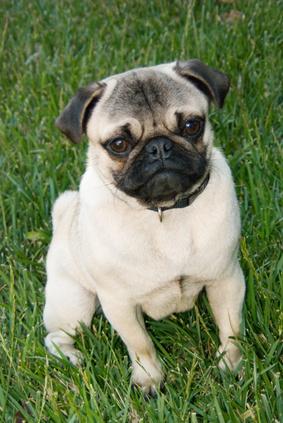
Pugs
Pugs are small, thickset dogs with short faces and pop eyes. They come in colors from brown to black, mixed with white, and have smooth coats. Adult pugs stand at 10 to 14 inches and weigh up to 20 lbs. Their characteristic short faces and large eyes can lead to serious health issues.
Personalities
Pugs have very big, happy-go-lucky attitudes. They are loyal and loving to their families, and can be stubborn in their attachments. Pugs are sensitive, but get along well with other pets and children.
Medical Considerations
Pug dogs are genetically inclined to a couple of serious medical conditions. Pug dog encephalitis is an inflammation of the brain that strikes pugs, along with several other breeds. Pugs can be struck by hip dysplasia, back problems, enlargement of the heart, eye problems and liver shunts. Many of these issues are treatable only through surgery.
Physical Considerations
Pug dogs have very short faces and nasal cavities, which lead to respiratory issues and breathing problems. They are prone to coughing, sneezing, wheezing and colds. In hot weather, their inability to breathe properly can lead to overheating and heat stroke.
Treatments
Owners can protect their pug puppies by following certain guidelines in regard to the dog’s health. Because pugs are so prone to respiratory problems, owners should never smoke around their puppy. Cleaning products should be checked for dangerous chemicals, and pug puppies should be kept away from fresh-cut grass and particularly hot, humid weather.
Pug Dog Health Issues
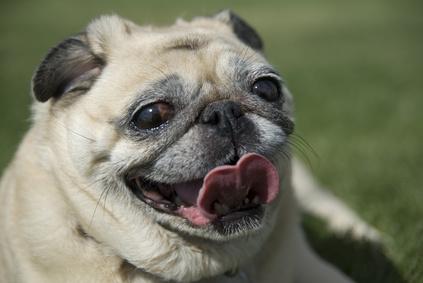
Skin Infections
Pugs have wrinkles in their skin, and dirt and debris can become trapped in the folds. Make sure you keep those folds of skin clean because bacteria can cause painful skin irritation or infections. Bathe your pug regularly to avoid skin infections.
Pug Dog Encephalitis
Pug dog encephalitis was once thought to be an affliction that affected only pugs, hence the name. It has since been reported in other breeds. Pug dog encephalitis is a disease that causes inflammation of the brain and the central nervous system, causing seizures, depression and blindness, among other symptoms. There is no cure for this disease, but medications can be used to help with its symptoms. Pug dog encephalitis is a terminal diagnosis.
Tracheal Collapse
Pugs and some other toy breeds are prone to tracheal collapse. This happens when the windpipe narrows, making it hard for the dog to breathe. Your dog may be experiencing tracheal collapse if he has a cough, breathes harshly and gags. Surgery can repair the problem, but this is a serious health issue.
Stenotic Nares
Pugs with this birth defect are born with nostrils that are too small. The pug will have a hard time breathing though his nose. This will put a considerable strain on his whole body and can result in an enlarged heart, chronic bronchitis and tracheal collapse.
Hip Dysplasia
Hip dysplasia is often seen in large dog breeds, but the pug may be susceptible because of its size. While pugs are only 10 to 14 inches tall, they can weigh up to 20 pounds. Hip dysplasia caused by the malformation of the bones that connect to form the hip, resulting in a bad fit. This disorder causes intense pain and sometimes lameness. Surgery can repair the problem.
Health Defects Due to the Overbreeding of Pets

Eye Problems
Dry eye (which can cause corneal scarring) is prevalent in Lhasa apsos, pugs and Shih Tzus. Dachshunds bred for a dappled coat are often born blind or with undeveloped or no eyes.
Hearing Loss
The Orthopedic Foundation for Animals reports that genetic deafness occurs in 80 dog breeds, primarily Great Danes, Dalmatians, collies and Old English sheepdogs. This defect is closely linked to white pigmentation.
Joint Problems
Careless breeding results in abnormal hip development (canine hip dysplasia) in large dog breeds like the golden retriever. Small dogs, such as the Chihuahua, are prone to dislocating kneecaps (patella luxation).
Breathing Problems
Breeding dogs and cats for excessively flat faces causes respiratory problems, especially in the Pekingese and bulldog and the flat-faced Persian cat.
Birthing Difficulty
Over 92 percent of Boston terriers are born through cesarean section, with bulldogs close behind at 80 percent, according to Telegraph.co.uk. This is due to selectively breeding for extremely large heads.
Degenerative Disk Disease
Some dogs are genetically predisposed to spinal injuries, especially dachshunds, due to their elongated spines. This often leads to paralysis in adulthood.
How Does Losing Molars Affect a Dog’s Health?

Your pooch can’t use his molars to grind her food because his jaw doesn’t move from side to side. Instead, he uses his premolars and molars — powered by his strong jaws — for chewing large pieces of food into smaller bits. If your dog looses these teeth, he could have difficulty chewing larger pieces of food, which may mean he’ll need a softer diet to ensure he’s getting proper nutrition.
Dental Health Concerns
If your dog can eat only soft foods due to molar loss, he may be at a higher risk for tooth decay, plaque buildup and periodontal disease. Without the tooth-cleansing benefits from crunchy foods, your dog’s oral health will depend on your efforts, and those of your vet, to help him keep his teeth clean.
Health Problems With American Eskimo Dog

Luxating Patella
One medical condition that occasionally affects American Eskimo dogs is patellar luxation. This applies to all of the size groups — toy, miniature and standard. Patellar luxation describes issues with the exact location of a canine’s kneecap. When dogs have luxating patellas, their kneecaps essentially spring out of the appropriate spot. Patellar luxation is prevalent in wee and big dogs alike. If you observe anything unusual in your American Eskimo’s back legs, set up a veterinarian appointment immediately, the sooner the better. You also might notice your pet making conspicuous hopping motions as he tries to move around. Orthopedic difficulties of the back legs in general are somewhat common in American Eskimo dogs, so pay attention for any signs of them.
Progressive Retinal Atrophy
Eye issues such as progressive retinal atrophy also can affect these nimble doggies. The genetic retinal ailment progresses gradually, and with time causes blindness. If a dog has progressive retinal atrophy, either his retina ceased normal growth at too early of a stage, or his photoreceptors deteriorated at an abnormally quick pace. Progressive retinal atrophy isn’t only common in the American Eskimo breed, but also in many others such as toy poodles, Australian cattle dogs, Siberian huskies and Irish setters. If you are concerned that your precious pooch might be experiencing eyesight problems, take him to the vet immediately.
Hip Dysplasia
Hip dysplasia is another orthopedic concern that American Eskimo dogs sometimes experience. Hip dysplasia, in a nutshell, is a genetic ailment that is characterized by a hip joint that simply developed in an abnormal fashion. This leads to looseness of the joint and ultimately excessive motion of the bone in the legs. Some key symptoms of hip dysplasia in pooches are rigidness, hobbling and reluctance to partake in physical exercise or walk on stairs. If you have any reason to suspect that your precious pet might be dealing with this painful issue, bring him to the vet as soon as possible.
Diabetes
Diabetes also sometimes affects American Eskimo dogs. If a doggie has diabetes, then his body either doesn’t make sufficient insulin or doesn’t react correctly to the hormone. Be alert to signs of diabetes in canines, such as excessive urination, hazy eyes, weight loss, throwing up, exhaustion, increased hunger, dehydration and inordinate thirst. Veterinary assistance is a must for any dog who has diabetes, so don’t wait around.
Robust Dogs in General
Despite these possible medical issues, American Eskimo dogs are, on the whole, fairly robust and tough dogs. With the right care, exercise and diet, they can live happily for anywhere between 12 and 17 years. Routine appointments with the veterinarian are a must, even if your pet seems to be in 100 percent glowing condition.


|
A New Free Course on Dog Grooming Reveals the Secret Step-by-Step Techniques used by the best Dog Groomers in the country!
Finally, You Can Now Groom your Dog on your own at home without having to hire an expensive groomer! |