

Dog Behavioral Problems: Licking
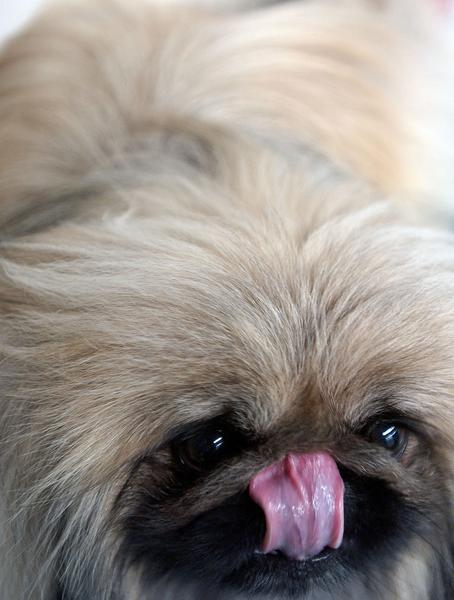
What To Look For
Repetitive licking behavior, known as acral lick dermatitis (ALD), can be painful for your dog and difficult to diagnose and treat. Certain large breeds such as Labradors, German shepherds, Doberman pinschers and Great Danes are more prone to obsessive licking. They will most often lick their paws, although other parts of the body, such as the flank or tail, can also be affected. In the worst cases, constant licking will cause hair loss and create open wounds that will expose the dog to infection.
Causes of Licking
Obsessive licking can be caused by neurological or physical problems, but most often the source of the obsession is anxiety or fear. Dogs who are left alone or crated much of the day are the most likely to be bored and nervous and resort to self-licking or other repetitive behaviors. Consult your vet to make sure the behavior is not caused by a medical problem. A burr that is embedded in a paw, mites, allergies and other physical problems may also cause a dog to obsessively lick.
Possible Treatments
Some dogs may need a behavior modification program to break them of the licking habit. First make sure your dog gets enough exercise and plenty of love to help relieve his stress. Distract him if he begins to lick himself, but don’t yell or punish him, as this creates more anxiety. Spray a taste deterrent on his favorite licking spots throughout your home. Hide treats in toys around the house as a way to keep him busy when you are away. Use a cone collar to prevent licking and further injury. An overly anxious dog may benefit from medication along with behavior modification, so talk to your vet if your dog’s licking won’t stop.
Where To Get Help
If your dog needs additional help, consult an experienced trainer or animal behaviorist. Some clinics, such as the Purdue University Animal Behavior Clinic, will consult with owners to determine the cause of behavior problems and help find solutions. To help diagnose your dog’s issue, experts may take an extensive look at the dog’s background and consider his breeding, personality, exercise routine, diet, humans in the household, medications and how you obtained him.
How to Take Care of Old Dogs for Quality of Life
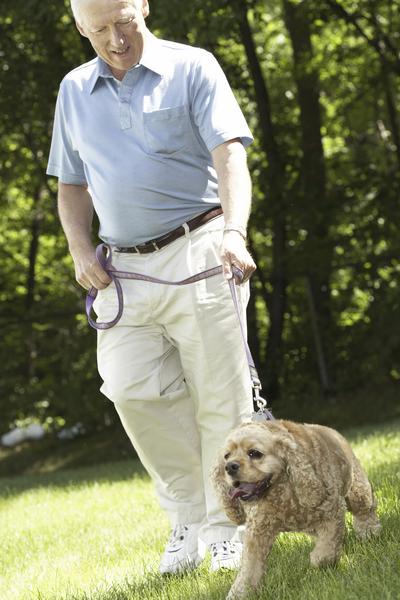
Feeding
You might want to switch your dog to a special diet formulated for senior canines. It’s important to prevent Fido from becoming fat. Obesity isn’t healthy at any age, but it’s a condition that less-active senior dogs consuming the same amount of food they did in their prime can easily develop. Talk to your vet about your dog’s diet and any special nutritional requirements he might have.
Preventive Care
If you’re lucky, your senior dog is healthy and you want to keep him that way. That might mean taking him to the vet more often than his once-a-year checkup. According to the American Animal Hospital Association, older dogs “in the last 25 percent of the predicted life span for their breed” should optimally have an examination about every six months. Your vet monitors your dog’s weight, inspects him for any arthritic changes and examines his skin for any lumps or bumps. Regular blood, thyroid, fecal and urine tests alert your vet to any changes requiring further investigation. Tell your vet about any changes you’ve noticed in your dog’s behavior, even if it seems minor to you.
Supplements
While your vet prescribes any necessary medication for your old dog, some over-the-counter supplements may improve his quality of life if he shows certain arthritic changes. Supplements for dogs containing glucosamine, chondroitin sulfate and methyl-sufonyl-methane may slow down the cartilage breakdown that is the essence of arthritis. While these supplements might help put a spring back in his step, always check with your vet before giving your dog any over-the-counter treatment.
Exercise
Even if your dog develops a little hitch in his get-along, he still needs exercise. Regular exercise keeps joints mobile, but his activity level probably isn’t what it once was. Instead of going for runs, take him for walks. Maybe he isn’t up for a half-hour spin around the neighborhood every day, but 15 minutes or so might suit him just fine.
Making Adjustments
Maybe Fido can’t get up and down the stairs as easily as he once did. If you allow him on the furniture, it might be tough for him to climb onto a chair, sofa or bed. You can purchase or build ramps to help him get where he wants to go more easily. If he can’t navigate the stairs to the places he once slept, provide a convenient new sleeping area for him.
What Health Conditions are English Spaniels Prone to?
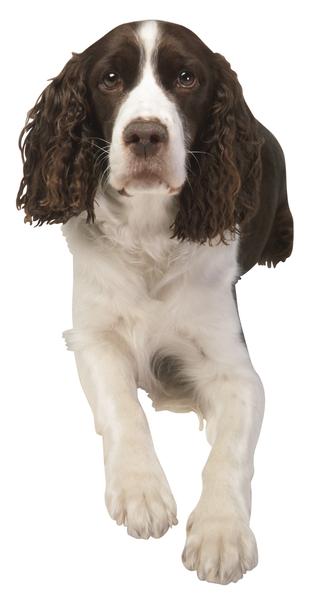
Eye Conditions
English spaniels are prone to progressive retinal atrophy, a type of inherited degenerative condition that can result in diminished vision or blindness. While it primarily impacts middle-aged dogs, even dogs as young as 2 years old can develop the disorder. According to the English Springer Spaniel Club, this breed also may develop glaucoma in one or both eyes. Depending on the severity of the condition, the dog can lose its eyesight or even lose an eye as a result. Cataracts and retinal dysplasia also can develop in this breed. Regular eye exams can help identify potential problems and address them early to reduce the potential for pain and vision loss.
Inherited Diseases
Canine fucosidosis is an inherited disease of the nervous system that can be fatal if not identified and treated quickly. The English Springer Spaniel Club indicates this disease is most commonly found in young dogs and includes symptoms such as loss of coordination, problems with vision and hearing and digestive issues. The condition is caused by the missing enzyme alpha-L-fucosidase. Genetic testing is available to determine if your pup has the potential for this disorder.
Hip Dysplasia
English spaniels may be subject to the joint condition hip dysplasia. Symptoms include lameness in hind legs, a tendency to be slow to stand or hopping when running or walking. Hip dysplasia, left undiagnosed and untreated, can lead to a painful arthritic condition and severely limit movement. According to the Baker Institute of Animal Health, your vet can identify the disease through X-rays. The symptoms of the disorder can be minimized through pain relief and treatment with joint-lubricating supplements.
Epileptic Symptoms
Epilepsy can occur in English spaniels. Dogs of this breed who contract the disorder usually exhibit symptoms in the first three years of life. According to the English Springer Spaniel Field Trial Association, the condition is characterized by repeated seizures and often is confused with other neurological and health conditions. English spaniels also are prone to canine autoimmune disease, which can exacerbate various forms of epilepsy, so proper diagnosis is essential to effective treatment.
Pomeranian Coat Grooming Tips
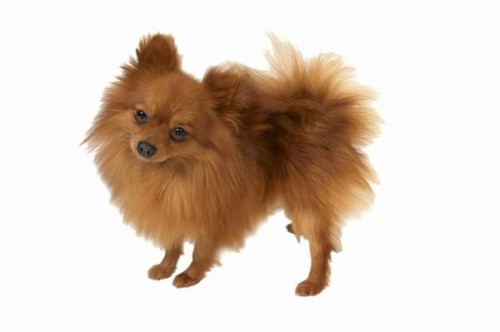
Preparing
The first step in grooming a Pomeranian successfully is early preparation. Since the Pomeranian requires routine grooming, it is important she learns early to accept the process. Teaching her to stand for grooming and lie on her side or back when she is a puppy helps make grooming pleasurable for the puppy and the groomer. She should enjoy the bonding time associated with grooming and not dread it.
Brushing
Brushing the Pom daily is ideal, since his thick, double coat will get matted and tangled. However, not every pet owner has an extra 30 minutes a day. In this case, two weekly brushings is the minimum you can get by with to maintain his soft coat. Using a curved-bristle slicker brush, start with the hair on the Pom’s back and hold a section in your free hand. Brush downward from the part using a method referred to as “line brushing.” When brushing your Pom, make sure you don’t bear down too hard and scratch his skin. Follow up with a metal comb, and make sure all mats and tangles are gone. If any remain, hold the hair out from the skin and work them out using the comb, starting at the end of the hair and working toward the skin.
Bathing
The Pomeranian requires a bath only about once a month. After a thorough brushing, wet the Pom and apply a dog shampoo for sensitive skin, such as oatmeal shampoo. Rub the shampoo in until it forms suds. Rinse the Pom well and spritz his coat with a light leave-in conditioner for dogs. Finish up his bath by blotting his coat dry with a towel. Dry the Pom completely using a hairdryer on the lowest setting. Use a slicker brush to enhance the coat’s shine.
Clipping and Trimming
Many Pomeranian owners and breeders choose not to worry with grooming the thick coat. In this case, they choose a lion cut. This cut may be a low-maintenance solution; however, it takes away from the natural protection. Also, once the Pom’s coat is cut short, it may never grow back with the same thickness and shape it had previously. Therefore, scissoring only the anal area and hair under the paws is recommended by the Pet Pom website. Additionally, plucking the hair out of the Pomeranian’s ears helps prevent ear infections. A groomer should clip the Pom’s toenails when they are long.
Ingredients for Homemade Dog Food
Proper Nutrition
Though it requires time and effort, cooking for Duke gives you ultimate control over his diet. During the past several years, there’s been controversy surrounding pet foods, including the safety of manufactured pet food and the wisdom of feeding dogs and cats raw food. Homemade cooked food for pets has evolved into a satisfactory middle ground for many people, including veterinarians, provided the diet meets the animal’s specific nutritional needs.
Protein Requirements
Dr. Ronald Hines recommends protein ingredients comprise 20 to 45 percent of a dog’s diet. Options include ground beef, ground turkey, ground chicken, fish, eggs and dairy. If Duke loves beef, try a mixture of two-thirds to three-quarters of extra lean beef, with ground chuck filling out the balance; Duke will meet his dietary fat requirements without the benefit of supplements. Turkey that has 7 to 15 percent fat will work well in a homemade diet for a dog that isn’t watching his weight. If your pup has a taste for seafood, salmon is a good choice, with high omega-3 fatty acids and low mercury. Dr. Hines recommends limiting fish to two meals per week. Whole cooked eggs and cottage cheese are good sources of protein, though some dogs may have a difficult time digesting the cow’s milk in cottage cheese.
Carbohydrate Requirements
According to Dr. Hines, carbohydrates can comprise between 20 and 35 percent of Duke’s diet. Rice is a solid choice because it contains protein, as well as important minerals, such as phosphorus. If your pooch enjoys macaroni, it can be added to the mix, as wheat products don’t tend to cause dogs problems. Cooked potatoes are also fine and provide fiber and vitamin B-6. Dr. Hines recommends adding high fiber carbs such as oatmeal, canned pumpkin, cooked carrots and sweet peas gradually to the diet to avoid developing diarrhea.
Fat, Minerals and Vitamins
Fat is important to Duke and should comprise about 5 to 10 percent of his diet. Chicken fat, beef suet and flax seed oil are a few options for add-ins if your pup isn’t getting sufficient fat from his protein. The basic ingredients for protein usually aren’t quite enough to ensure your dog’s proper nutrition because meat and fish are too low in calcium and vitamins. Calcium carbonate antacid tablets are a fine addition to the homemade mix. A professional supplement, such as Balance IT, may give you peace of mind that Duke’s getting the minerals he needs. Too much of one vitamin can be as harmful as a deficiency, so it’s not a good idea to add vitamin supplements just in case. If you’re serving a well-balanced diet, you won’t need to worry about supplements.
Research is Important
If you want to cook for Duke, do your research to be sure your recipes are balanced and nutritious. It’s also a good idea to consult your vet to make sure your pup doesn’t have any special needs or issues to consider. Your vet should be able to guide you on the potential need and use of supplements.
How to House-Train Little Dog Breeds
Get on a Schedule
Housebreaking is just as much about training yourself as it is about training your dog. Get into a regular routine of taking your dog to his appropriate elimination spot. Potty training generally begins to be effective after 6 weeks of age — no eariler. You can expect your pup to “hold it” for about one hour per month of age, plus one hour — so an 8-week-old pup should go out for potty breaks, at minimum, every two to three hours or within 10 or 15 minutes of eating, drinking or chewing. It’s tempting to pick up a tiny dog and take him outside when it’s time to go potty, but it’s better to train the dog to go under his own volition when you command. A common strategy for training is to use a key word, such as, “Outside,” regularly. Use a leash, and go out the same door every time to encourage good outside bathroom habits.
Tether Your Pup
While it’s tough to attach a big dog to your side via leash all afternoon as a way to watch for potty indicators, it’s much easier to take this approach with a small dog. If your pup is sneaking off to do his business in an inappropriate location or has regular accidents, keep his leash on him when you’re at home and tie the leash to your belt or wrist. Keeping your dog under constant supervision will help you recognize signs that it’s time to “go.” Take your pup to his designated spot, praise him for going to the bathroom and reward him with a treat.
Make Bathroom Places Safe
Individual dogs of smaller breeds can be intimidated by the great outdoors, so make sure your designated outdoor bathroom area feels like a safe place so your puppy will be comfortable doing his business without fear. If possible, avoid high-traffic areas, thick woods, tall grasses or areas that larger animals frequent. If your small dog gets frightened when it’s bathroom time, it can inhibit your housebreaking efforts. Opt for a secluded, and perhaps even fenced, area for your pup to do his business in solitude.
Clean Up Accidents
Little dogs have little accidents, sometimes so small that you won’t even notice them until the smell starts to accumulate. Keep an eye out for accidents, and clean them thoroughly with an enzymatic cleaner to remove all traces of odor and prevent remarking. Invest in a black-light pee detector, and use it regularly during the housebreaking process to ensure accidents don’t go unnoticed and untreated.
Indoor Potty Options
You can successfully housebreak some small breeds to pee pads or an indoor potty, which can be especially beneficial if you live in an apartment or condo, or if you’re housebound. Follow the same outdoor housebreaking guidelines using a designated spot in your home, preferably in a low-traffic area that’s out of the way, like a bathroom or a laundry room — a room without carpet serves best.
What Dog Breeds Have Weepy Eyes?
Epiphora
There’s a name for all those those tears Buddy’s been shedding: epiphora. Formally referred to as “watery ocular discharge,” excess tears is a common issue for pet owners. If your pooch has excess tears running down his face, over time, they’ll stain his fur to a reddish-brown color. Sometimes it’s hard to notice the stains on a dog with a dark face, but dark-colored dogs experience epiphora as often as their fair relatives. Over time, chronic excess tearing can lead to skin irritation, odor and infection.
Weepy Breeds
Brachycephalic is not a word you see or hear much, but if you break it down to its Greek roots, you’ll understand: “brachy” means short and “cephalic” means head. If Buddy’s a pooch with a short or pushed in face, he’s vulnerable to epiphora. Breeds in this class include shih tzu, Pekingese, boxer, pug, Boston terrier and bulldog. These dogs have shallow eye sockets or hair growth in the skin folds around their eyes, which makes tear drainage a problem. Bichon frise, Maltese and poodles have the same issues, and poodles and cocker spaniels are more prone to blocked tear ducts than other breeds.
Why The Tears
Buddy doesn’t have to be of a breed that’s vulnerable to weepy eyes to have them. There are two reasons a dog may have weepy eyes: irritation and poor tear drainage. Allergies, stray hairs or objects, environmental irritants such as smog or dust, and ingrown hairs all can cause irritation leading to epiphora. If that’s Buddy’s problem, the vet should be able to address the issue and put an end to the crying and the stains. However, sometimes the tears don’t drain properly. In a healthy eye, when a dog’s eye tears up, the tears will go through small “drain holes” in his eyes to his nasal passage down to his throat. Conditions interrupting this process include shallow eye sockets, eyelids that are turned inward, blocked tear drainage holes and hair growth around the eye, which redirects tears onto the face.
Controlling Tears
In some cases, surgery can help dry up those excess tears. A blocked duct can be flushed out and some eyelid problems can be corrected surgically to eliminate the irritation. If the irritation is due to something in the environment, minimizing Buddy’s exposure to it will help. There’s nothing to do for a dog with shallow eye sockets; after all, it’s the way he’s made. Your best option is to keep on top of his tear stains by gently washing around his eyes with a wet, warm paper towel. Your vet can recommend appropriate wipes to safely keep his face clean and tear-stain free.


|
A New Free Course on Dog Grooming Reveals the Secret Step-by-Step Techniques used by the best Dog Groomers in the country!
Finally, You Can Now Groom your Dog on your own at home without having to hire an expensive groomer! |