

How Can I Tell if My Dog Has a Vision Problem?
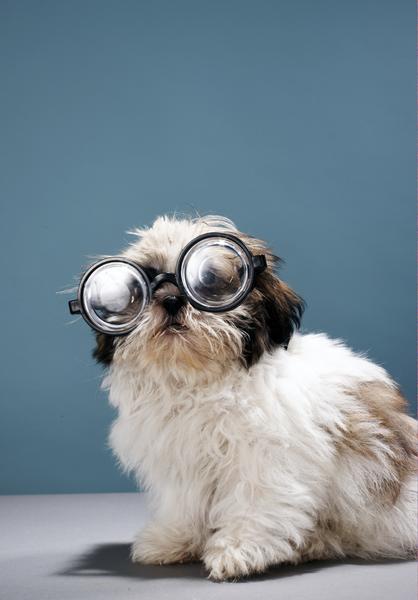
Cataract
A cataract is an opaque spot on a dog’s eye lens. Small cataracts might be tough to notice and shouldn’t affect your dog’s vision much. Larger cataracts, however, can lead to permanent blindness if untreated. If his eyes look cloudy or have a bluish-gray cast, take him to the vet right away. All breeds are susceptible to cataracts, and the disease can stem from old age, injury or trauma. Cocker spaniels, poodles, miniature schnauzers, terriers and golden retrievers are especially prone, as are dogs with diabetes.
Glaucoma
Glaucoma occurs when the eye cannot drain fluid. Pressure builds in the eye and can cause severe nerve damage if not relieved within a day or two. As with cataracts, glaucoma triggers cloudy eyes in dogs. Other signs of glaucoma include the eyeball receding back into the head, reddened blood vessels in the whites of the eyes and dilated pupils that may not respond to light. In more advanced cases, your dog’s eye may get sticky and vision loss will become obvious.
Progressive Retinal Atrophy
Progressive retinal atrophy is an inherited eye disease that slowly deteriorates a dog’s retinas. The fact that progressive retinal atrophy is painless can make it difficult for many people to spot, but outward signs of the disease begin with a glowing shininess in a dog’s eyes. This translates into night blindness and, ultimately full blindness. Though any breed can develop progressive retinal atrophy, English mastiffs and bull mastiffs, as well as male Siberian huskies and Samoyeds are especially prone.
Other Vision Problems
Conjunctivitis, or pink eye, is common in dogs and can cause inflamed, sticky or itchy eyes that are sensitive to light. Keratitis, which mostly affects German shepherds, causes pigmentation and superficial blood vessels on the eye and can reduce your dog’s vision if left untreated. Corneal ulcers sometimes occur when your dog gets something in her eye. These ulcers can become infected and usually cause a dog’s eye to water excessively.
Signs of Eye Trouble
Outside of diseases, vision problems in dogs usually stem from an injury or illness that, while painful or maybe just annoying, often are easily treated. If you see excessive tearing or redness, prolonged droopy or closed eyes or discharge, your dog may be suffering eye problems that may lead to vision issues if left untreated. The best way to notice your dog’s eye health is to check his eyes routinely. If something looks amiss, it’s best to call your vet.
Life Preservers for Dogs
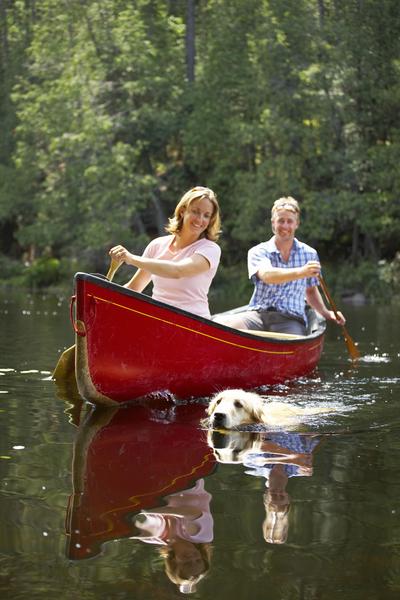
Uses
Dress your dog in a canine flotation device for any activity that requires a person to wear one. These activities include boating, fishing and swimming in deep waters. While wearing one in a swimming pool is not always necessary, it does serve as an additional precaution. Small dogs and dogs that are learning to swim can safely wade in a pool if wearing a flotation device. Used in canine water therapy, life preservers keep dogs afloat as they regain strength in their muscles.
Fitting
The flotation device must fit the dog properly. Otherwise, it can cause discomfort, limit the dog’s range of motion and supply an insufficient level of buoyancy. Record the dog’s weight and chest size, and compare these measurements to the weight and size ranges listed on each life preserver. A soft measuring tape provides an accurate measurement of the chest. Place the tape behind the dog’s front legs, and wrap it around snugly, as recommended by Champion K9 Outfitters.
Considerations
Associate the life preserver with something positive to help your dog feel comfortable wearing one. Praise the dog and provide a few treats as it sniffs the preserver and spends time around it. Then, when you do place the preserver on the dog, adjust the straps as needed so it fits closely without rubbing or digging into the dog’s skin. Practice sessions in a swimming pool can also help the dog adjust to wearing one in the water.
Drowning
If a life preserver fails to keep your dog afloat in rough waters, you can help it recover after rescue by providing first aid. Holding the dog by the waist or hind legs with its head facing downward can help if the dog is unconscious, notes Betsy Brevitz, D.V.M. She recommends that you monitor the dog closely and keep it warm if it’s conscious. The dog will need veterinary attention if it has trouble breathing or other severe symptoms. By learning CPR for dogs, you will be equipped to resuscitate if needed on the way to the hospital.
French Bulldog Health Problems
Basics
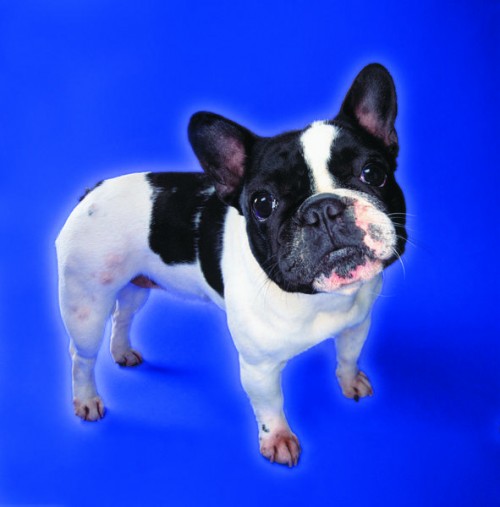
French bulldogs appear in colors including white, pale yellowish-brown and brindle, the latter of which involves a blend of colors such as brownish-orange and gray. As adults, these dense, sturdy pooches typically reach between 11 and 13 inches tall. They usually weigh no more than 28 pounds. One of the most prominent physical characteristics of French bulldogs involves their ears, which point straight up and are similar to those of bats. This smart, amiable and funny dog keeps a close vigil on his home.
Brachycephalic Syndrome
As with pugs and a handful of other doggie breeds, French bulldogs are brachycephalic, with skulls that are markedly wide and short. Their faces have a conspicuously flattened appearance to them. Although the look undeniably is cute, it also can trigger health issues that revolve around breathing, problems that can become life threatening. Some common indications of brachycephalic syndrome are excessively loud breathing, coughing, hacking and snoring. All of these signs are usually particularly noticeable during times of excessive heat. Inordinate discomfort in heat is typical of dogs with brachycephalic syndrome. Take your sweet Frenchie to the veterinarian immediately if he shows any signs of this condition.
Intervertebral Disk Disease
Intervertebral disk disease is relatively prevalent in the French bulldog breed. This orthopedic condition results from the deterioration of the spinal column’s dense intervertebral disks. Some of the signs that are typical of this disorder are backache, rigidness of the body, scooting of the hind limbs during walking, difficulty standing up, general feebleness, crouching over, shivering and soreness of the stomach. Paralysis is a possibility for some dogs with the condition. If you have any reason to think that your precious pet might be dealing with intervertebral disk disease, schedule a veterinarian appointment as soon as possible.
Canine Hip Dysplasia
Canine hip dysplasia is another problem for many French bulldogs. The skeletal condition involves the atypical growth and progress of the hip joints. Signs of the condition pop up early in dogs, starting as early as at 4 months. Lack of body coordination is a common sign of the disorder. Other symptoms of canine hip dysplasia are rigidness, avoidance of physical activity and hobbling. Note, however, that many dogs with the condition barely display any hints at all. Regardless, veterinary attention is a must for any pooches with hip dysplasia.
Other Conditions
Other medical issues that also sometimes affect French bulldogs are luxating patellas, cataracts and entropion. The latter entails the eyelids turning in an “inside” direction. If your dog shows any sign of abnormalities or malaise, a vet appointment should be your next step. Dogs don’t always display obvious signs of illness, though, which is why it’s so crucial to routinely bring your pet in for regular veterinary checkups. With the right love and care, French bulldogs can often survive healthily and contentedly for anywhere between 10 and 14 years, or perhaps longer.
Shih Tzu Grooming Instructions
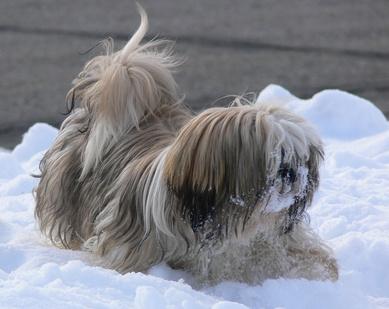
1Wash your shih tzu 7 to 12 days to keep his coat clean. Use either dog shampoo or human shampoo, and lather the dog up in the sink or bathtub using warm water. Rinse the dog thoroughly, and consider using a conditioning rinse to smooth out tangles in the dog’s long hair. Pay particular attention to the hair under your dog’s belly and along his legs, as this is where he’ll be dirtiest.
2Towel the dog dry and keep him in an enclosed area, like the kitchen, while he dries completely. Use a dog brush or comb to begin working any knots out of his hair while he’s still wet, as long hair is more easily detangled when it’s wet and freshly conditioned. Be very gentle when you’re brushing the shih tzu’s hair, as his skin will be sensitive if his hair is pulled.
3Brush your shih tzu’s hair once a day to keep it tangle free and clean. Schedule a time for this, and follow the schedule consistently so that the dog knows when to expect grooming.
4Trim your shih tzu’s nails once a month to keep them from snagging on carpeting or breaking off. Use dog nail trimmers, available at pet stores, to cut only the tips of the nails off. Cutting off too much nail will cause pain and could lead to infection.
5Clean your dog’s eyes and ears every time you wash him. Use a Q-tip to clean any wax and debris out of his ears, but only clean the section that you can see, as pushing a Q-tip too deep into his ear can cause damage. Use eye drops, available at pet stores, and clean cloths to clean his eyes and keep them bright and free of buildup.
6Pull the hair from the top of your dog’s head up into a “top knot,” or ponytail at the top of his head. Secure the pony tail loosely with a rubber band. This will keep it out of his face and allow him to see clearly.
What Breeds of Dogs Are Prone to Anal Gland Problems?
Breed Predisposition
Anal gland problems seldom occur in large-breed dogs. Dr. T.J. Dunn Jr. writes on PetMD that infections and impactions are more common in smaller breeds, such as basset hounds, beagles, cocker spaniels, Chihuahuas, miniature poodles and toy poodles, and Lhasa apsos. While the condition is common in these smaller and medium-size pooches, don’t rule it out as a cause for discomfort in a dog of any size or breed.
Symptoms and Treatments
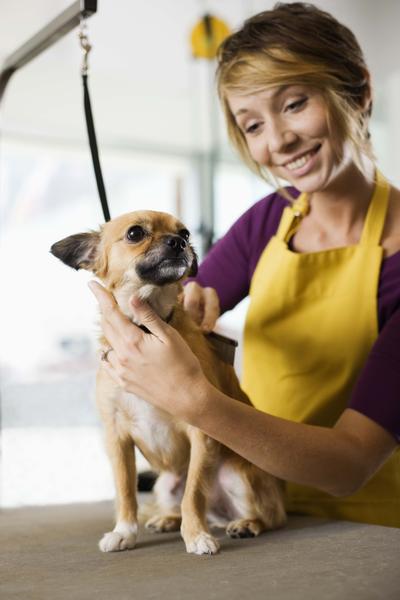
Signs your dog may have anal gland problems include scooting his butt on the floor and excessive licking of the anal area. In cases of infection of abscess, swelling or a fever may occur. If you believe your dog has anal gland problems, consult your veterinarian. Treatment includes manual expression of the anal glands. Many groomers routinely express the anal glands during routine grooming.
Information on Training a Yorkie
Features
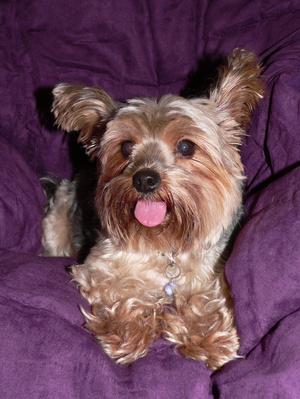
Yorkshire terriers are a mix of several different terriers bred in Yorkshire to catch rats in clothing mills in the 19th century. Thus, they were owned largely by working-class individuals who needed a high-energy dog with an excellent prey drive. Though they rarely grow to larger than 7 lbs., they still have the energy of a rodent catcher and may use excess energy to remodel your house or yard (by chewing and digging, of course) if bored.
Considerations
Before adopting a Yorkie, recognize that you aren’t getting just a lap dog that will sleep all day. Yorkies need a lot of exercise and mental stimulation. A training program can help provide mental stimulation so begin to teach your dog boundaries, recall (come when called) and other tricks as soon as you bring it home. Yorkies also require a lot of grooming, including daily brushing if you are going to keep the long hair, so begin to teach it to tolerate grooming immediately. This can be done easily by brushing only a little and giving rewards. Keep the sessions short and build up to brushing the whole coat. Don’t let the coat get matted, or grooming will become very difficult on you and your dog.
Socialization
One major problem most Yorkie owners face is excessive barking. Yorkies are excellent guard dogs despite their small size, but an underexercised, undersocialized Yorkie can drive owners crazy barking at every noise. To avoid this, begins socializing your puppy as soon as you get it to everything you don’t want it to fear: men, women, children, walkers and crutches, hats, beards, skateboards, bicycles and so on. Make this a positive experience with lots of treats. When your dog barks, say “quiet” and reward it when it listens. If not, put your dog in a quiet room for timeout and ignore it until it’s quiet.
Potty Training
The other major problem facing Yorkie owners is potty training. Because Yorkies are small, they can hold their bladder for only an hour or less when they are puppies. Use a strict potty training regime by keeping a journal of when and how often your Yorkie relieves itself. When it is time, lead it outside (no carrying) through the door you want it to use. If your dog goes, give it a treat and let it back in the house for free time. If not, put your Yorkie in its crate until its next bathroom break. If your dog can hold it for an hour, repeat in an hour. Continue this until there are no accidents.
Training with Children
Many Yorkie breeders caution that Yorkies should not be placed in a house with small children, because they are so fragile and easy to injure. If you adopt a Yorkie and have children, don’t allow any roughhousing. Teach your children how to politely interact with the dog and always supervise any interactions. Teach your Yorkie to be calm around your children as well by keeping it on a leash and using timeouts if its behavior gets too excitable. Remember to give lots of additional exercise if using timeouts frequently.
Can a Dog Gate Help With Training?
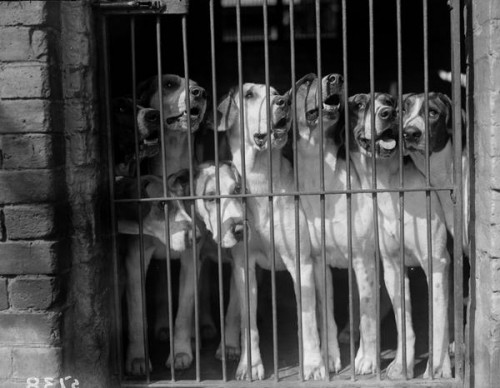
Use a dog gate to confine your dog to a single area of your home where he can stay when you can’t be there to supervise him. Make the area as safe as possible by removing potential hazards such as electrical cords and fragile items. Give him plenty of toys to keep him busy while he’s confined; a solid rubber toy stuffed with food is a good way to keep him occupied. Confining him with a dog gate takes away the opportunity for your dog to be destructive and helps to teach him what you want by providing him with nothing but acceptable alternatives.


|
A New Free Course on Dog Grooming Reveals the Secret Step-by-Step Techniques used by the best Dog Groomers in the country!
Finally, You Can Now Groom your Dog on your own at home without having to hire an expensive groomer! |