

Dog Training Toys
Food Puzzles
Mental stimulation provides exercise, relief from boredom and an outlet for natural behaviors like chewing and hunting. Food puzzles range from basic toys stuffed with kibble or canned food to more advanced toys that require problem solving to obtain the hidden food.
Tug and Fetch
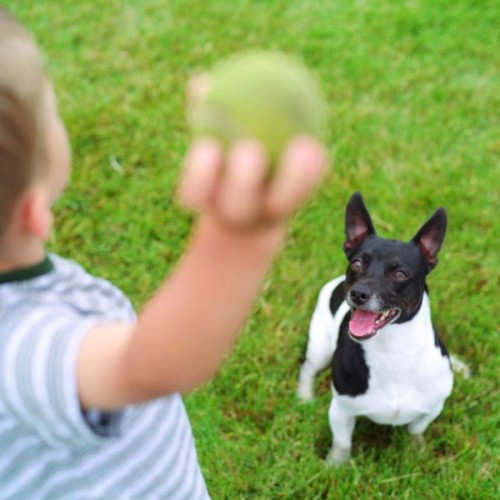
Tug and fetch toys, like ropes and tennis balls, provide reward when teaching a dog self-control. While playing fetch or tug, ask your dog to sit or down. When he responds correctly, say “yes” and toss the ball or invite him to reengage in tug. By using play as a reward, your dog learns that self-control is a valuable skill to practice.
Flirt Pole
A flirt pole looks like a large cat teaser. This toy provides exercise that teaches muscle control and balance. It can be used to teach a dog self-control and “chase” or “get it” on cue, as well as improve the “point” skill for hunting dogs. Allow the dog to reengage in chasing the toy for each successful self-control response.
How to Correct Dog Behavior Problems for Cheap
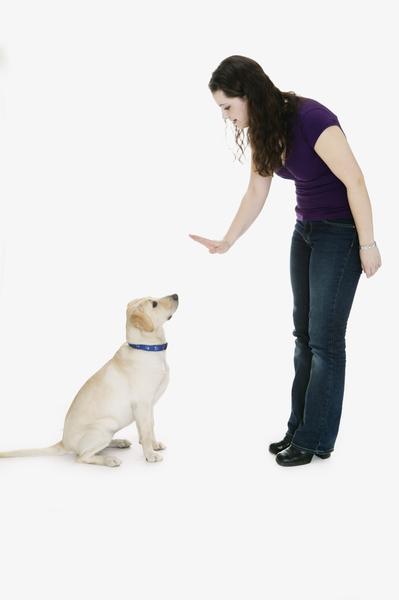
1Buy a dog training clicker. This is a small plastic device that sells for less than $10 online or at pet stores everywhere. A clicker is a tool for positive reinforcement. You simply carry it with you and when Rover does something you approve of, you click the device and then offer a reward. Soon Doggie will understand that certain actions make you happy and earn him a treat, and he will start repeating them more often.
2Use verbal cues along with the clicker. For example, say “sit” or “wait.” When Rover obeys, click and then reward the behavior. Teaching Doggie basic commands costs nothing — except for the cost of the treats — but it helps him understand you’re in charge.
3Socialize your dog. If you have a local dog park, this is a great free opportunity to teach your dog some social skills. Doggie not ready to go out into the world and meet others? Set up some play dates in a more controlled environment, such as a friend’s backyard or a quiet section of the beach. Once there, keep an eye on Doggie so you can correct him when he behaves inappropriately with another dog.
4Download an app for your tablet or smartphone. There are plenty of free or low cost — $2 or less — apps that guide you through a training program. Some have specific goals, such as helping you teach your dog commands, while others focus on behavior problems. Some apps allow you to keep track of your training progress so you know what you’re doing and where to go from there.
5Make your own pet deterrent by mixing one part fresh lemon or orange juice and three parts water. Or try mixing one part vinegar with five parts water. Add the mix to a spray bottle and spray furniture or other areas you want to keep doggie-free. You can also booby trap your kitchen counter by placing aluminum foil or pop cans right near the edge. Next time Doggie wants to jump up or steal something from the counter, he’ll create an avalanche of things — hopefully scaring him enough to deter him from trying again.
Is It Possible to Change a Dog’s Life When It Has Been Abused?
The Learning Curve
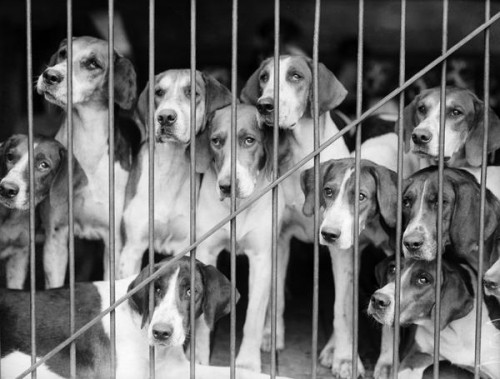
Dogs are amazingly forgiving. Patience is key, however, especially in the beginning of your relationship. When you first bring a dog with a history of abuse home, he might hide under or behind objects or back away from you. Loud noises tend to startle, and be mindful of quick hand gestures, which can make him instinctively cower or snap. Set up a bed for him in a room where you spend the majority of your time, but in a corner far enough away so he feels a safe distance. Some dogs feel more secure in a dog crate.
Professional Training
An accredited trainer or behaviorist can help set up both your household and training routines to help a dog who’s been abused. An experienced trainer also will be able to adapt typical training methods to meet the dog where he is and help you chart progress. Although the details of a dog’s past are often unclear, if you know whether he was hurt by a child or a particular gender this can be helpful information for a trainer, especially when attempting to socialize him in public areas. Most veterinarians have working relationships with behaviorists and can recommend someone who can help.
The Trust Factor
A person’s first instinct when approaching a scared dog is often to move forward at the dog’s level with a handful of treats. This is a mistake made from a place of love and compassion. When a scared dog is approached, his first instinct might be to run away, or to bark or lunge in an effort to keep the human from getting closer. Wait for him to come to you. Let him watch you put down food and water, but do not make eye contact and calmly go about your routine. Let him see you are not anxious about his presence. Ignore him as he gets to know you by sniffing. This may not happen the first day, but when he feels safe enough to sit near you, he’s saying he’s ready to trust again.
A Positive Future
A rough start in life does not mean a dog cannot recover and adapt to a loving home. He might always have behavior quirks, or react in certain situations (regular exercise, such as walks, can relieve anxiety as well as strength your relationship with your dog). Your dog’s personality and the circumstances of his abuse will dictate the obstacles you have to cross, and you might have to change certain routines. With patience and proper training, you can change the lives of most dogs who have been abused.
Pug Puppies & Their Health
Pugs
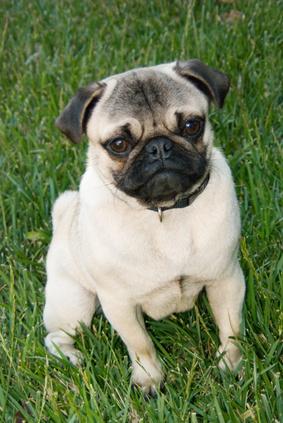
Pugs are small, thickset dogs with short faces and pop eyes. They come in colors from brown to black, mixed with white, and have smooth coats. Adult pugs stand at 10 to 14 inches and weigh up to 20 lbs. Their characteristic short faces and large eyes can lead to serious health issues.
Personalities
Pugs have very big, happy-go-lucky attitudes. They are loyal and loving to their families, and can be stubborn in their attachments. Pugs are sensitive, but get along well with other pets and children.
Medical Considerations
Pug dogs are genetically inclined to a couple of serious medical conditions. Pug dog encephalitis is an inflammation of the brain that strikes pugs, along with several other breeds. Pugs can be struck by hip dysplasia, back problems, enlargement of the heart, eye problems and liver shunts. Many of these issues are treatable only through surgery.
Physical Considerations
Pug dogs have very short faces and nasal cavities, which lead to respiratory issues and breathing problems. They are prone to coughing, sneezing, wheezing and colds. In hot weather, their inability to breathe properly can lead to overheating and heat stroke.
Treatments
Owners can protect their pug puppies by following certain guidelines in regard to the dog’s health. Because pugs are so prone to respiratory problems, owners should never smoke around their puppy. Cleaning products should be checked for dangerous chemicals, and pug puppies should be kept away from fresh-cut grass and particularly hot, humid weather.
Homemade Dog-Grooming Table
Choosing a Homemade Grooming Table
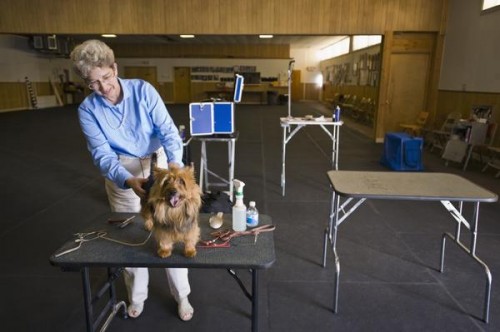
Making your own grooming table allows you to customize the table to your dog. Therefore, you should be aware of your dog’s grooming needs before building one. You also should consider how often you will use the table, where it will be stored and how portable you need it to be. Next, take into consideration the safety features you will need and any additions you would like to make for your dog’s comfort. Finally, take your own skills into consideration. Once you have decided on all of these things, you will be ready to make your table.
Full-Sized Grooming Table
If you have a medium-sized to large dog, you will want a full-sized grooming table. These tables usually are constructed with a sheet of good-quality plywood for the tabletop and a set of banquet table legs for the base. For the safety and comfort of the groomer, the table corners frequently are rounded. For the safety and comfort of the dog, the tabletops usually are covered with grooved rubber matting or textured rubber. This covering usually is glued to the tabletop and secured with metal edging. Keep your dog’s size in mind when purchasing table legs. It is better to have a lower center of gravity when designing your table, to offer more stability if your dog moves around while grooming. It is possible to use a pipe cutter to trim some length from the feet of metal banquet table leg kits to achieve the correct table height.
Ringside Grooming Table
Smaller dogs often are more comfortable, as well as easier to groom, on a smaller grooming table. Known as “ringside” grooming tables because of their frequent use at dog shows, these small tables are lightweight and portable. They often are made by gluing rubber shelf liner to the top of wooden television trays and securing the edges with tape or lightweight metal. Rubber feet may be added to the legs of the table for additional security and to prevent the table from wobbling.
Grooming Arm
A grooming arm provides your dog with a sense of safety when he stands on the table. The arm is made from two pieces of metal conduit, formed into the shape of a capital L using elbow conduit. It is secured to the table with a C-clamp. Using a C-clamp rather than a hand clamp allows you to adjust the height of the grooming arm, which is helpful if you have more than one dog. Hang a grooming loop or harness from the end of the grooming arm using a threaded eye bolt inserted into the end of the conduit.
Dog Vitamins and Supplements
Some dogs have special needs such as a weakened immune system that make supplementation a smart choice. Many people claim that supplements have helped their dogs overcome chronic diseases or have alleviated their symptoms. Some dog owners may choose to use supplementation as a preventive measure against future health problems. But some vets advise against supplementation because dog foods are nutritionally complete and certain vitamins, minerals, and herbs given in large doses may be harmful to some dogs. Other vets worry that processed commercial dog food has lost much of the nutrition present in the original ingredients and that supplementation is an important safeguard against deficiencies, some of which may be too minor to detect but which could eventually lead to chronic health problems. Supplementation, these vets argue, is a safety net and will not hurt dogs as long as their owners administer supplements according to package directions.
Supplement manufacturers and many holistic veterinarians argue that supplements aren’t effective unless given in doses more exacting than those in dog foods; it can be difficult to determine how much of a supplement a dog actually receives from a bowl of kibble. In supplement form, vitamins, minerals, herbs, and other substances can be administered in the exact dosages appropriate for different ages, weights, and breeds of dogs.
According to regulatory agencies like the FDA, dog supplements fall into a gray area between food and medicine, and many of the ingredients in these supplements are unregulated. Proceed with caution and give them to your dog only under the guidance of a veterinarian who is knowledgeable on the subject. Even if herbs are legal and saleable, they aren’t always safe for every dog in every situation.
Supplements that contain the same vitamins and minerals found in food may seem safe, but this isn’t always so, either. For instance, dogs store fat-soluble vitamins like vitamin D in their bodies. If they ingest too much of it, the vitamin can accumulate to the point of becoming toxic. Supplements of water-soluble vitamins like C and E probably are less likely to cause a toxic reaction in dogs because they are typically eliminated from the body daily, but any vitamin or mineral taken in megadoses could be potentially dangerous.
Although vets disagree on the importance of supplementing a dogs diet, most dogs remain in good health on a nutritionally complete and balanced dog food and many may benefit from, or at least are not harmed by, certain supplements. For example, consider vitamin C. Unlike people, dogs can synthesize vitamin C in their bodies and may not benefit from a vitamin C supplement the way a person could. Some studies suggest, however, that vitamin C supplements may be useful to highly athletic and working dogs. Dogs who lack the ability to synthesize vitamin C could benefit from supplementation of this antioxidant vitamin. Some breeders believe that vitamin C supplementation helps maintain orthopedic health in giant breeds. When it comes to canine dietary supplements, dog owners and their veterinarians must consider many variables.
The best course of action is to talk to your vet about supplements and determine together if your dog is likely to have a particular deficiency, then supplement that deficiency specifically. Or, if you are interested in supplements to treat a chronic disorder like arthritis or allergies, be sure to tell your vet that you are considering this kind of addition to your dogs health regimen. Your vet may have new information about the safety and efficacy of supplements. For example, the FDA announced that certain substances previously available for dogs such as comfrey and kava kava may not be safe. Because your vet may have access to dog health news you don’t hear about, it pays to ask before giving your dog a new supplement.
Until supplements are more closely regulated, follow these safety precautions:
Look for quality: Buy supplements from reputable manufacturers.
Follow directions: Always follow package directions for dosage. Don’t base an estimate of your dogs doseage on how much of the supplement you take.
Adhere to animal specifications: Never give your dog a supplement packaged for a human or for a different type of animal. For instance, don’t give a cat supplement to a dog, and vice versa. Accurate dosage matters when it comes to small animals.
Inform your vet: Always tell your vet if you are supplementing your dogs diet.
Herbs and supplements should be treated like any other medication or dietary change: if your dog experiences any sudden change in health or behavior, see your vet.
What Breeds Are Used for Drug Sniffing?
The Nose Knows
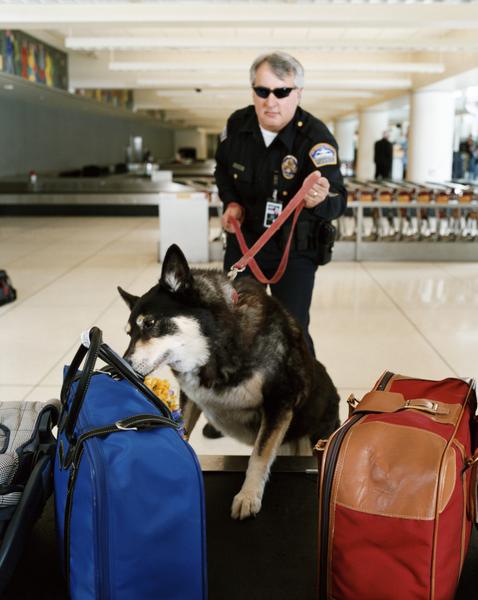
The top dogs used for sniffing out drugs, according to John J. Ensminger’s 2012 book “Police and Military Dogs,” are English springer spaniels and border collies. Other dog breeds that have shown an aptitude for sniffing out drugs include Weimaraners, Labrador retrievers, golden retrievers and Belgian malinois. Alternative to traditional purebreeds, it could be that the solution lies in a hybrid breed of dog. In her article “Super Sniffing Dogs” for DogChannel.com, D. Caroline Coile, Ph.D. revealed that Russian scientists claim to have created a breed with superior sniffing capabilities by crossing Russian huskies with jackals.
Mixed Breeds Can Sniff, Too
Purebred dogs aren’t the only ones who can do a stellar job of sniffing out drugs. Cross- and mixed-breed dogs can do it, too. They just have to display the right qualities and have the work ethic. Sometimes those characteristics can come from the genes of different breeds the dog has inherited, and sometimes an individual dog just has a talent for it.
Drug Sniffing Qualities
Mixed breed or purebred, the best drug sniffing dogs have a combination of qualities that work together to make them good at what they do. In addition to having an excellent sense of smell and hunting and tracking abilities, drug dogs need to be physically fit, independent, agile, love hard work and have a hunger for praise. They have to really, really want to do the job, too. Dogs of any breed who aren’t interested can easily become distracted from the task at hand.
Certifying a Narcotic Dog
A dog’s breed won’t keep him from becoming a certified narcotic dog, if he has the right stuff to complete the course. The Hornbecks.net standards for narcotic certification don’t even include a list of dog breeds who can test for certification. Instead, the requirements are that a dog must know how to alert his handler when he’s located stashed drugs, is limited to 10 minutes to find two different stashes and must show proficiency in searching a variety of areas, including indoor areas, outdoors and vehicles.


|
A New Free Course on Dog Grooming Reveals the Secret Step-by-Step Techniques used by the best Dog Groomers in the country!
Finally, You Can Now Groom your Dog on your own at home without having to hire an expensive groomer! |